Last updated November 23, 2026
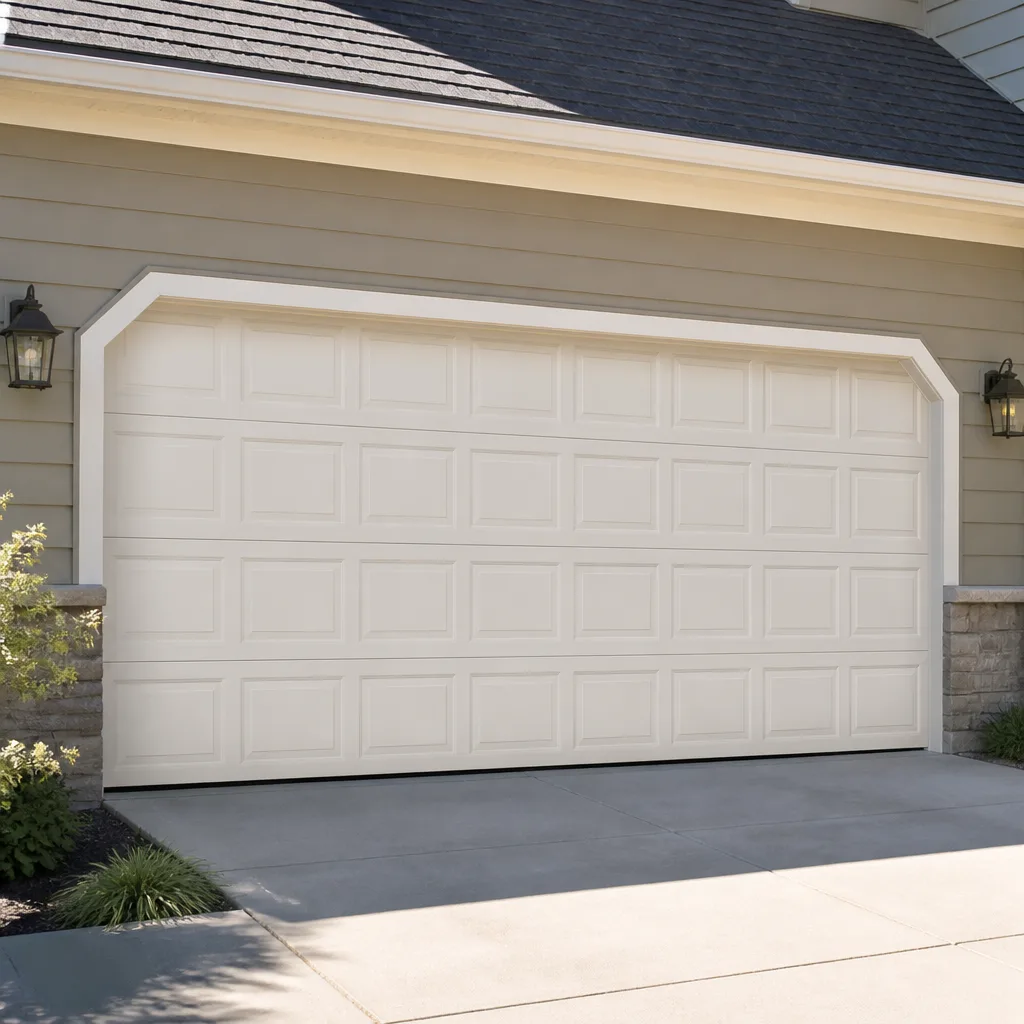 Raised-panel steel
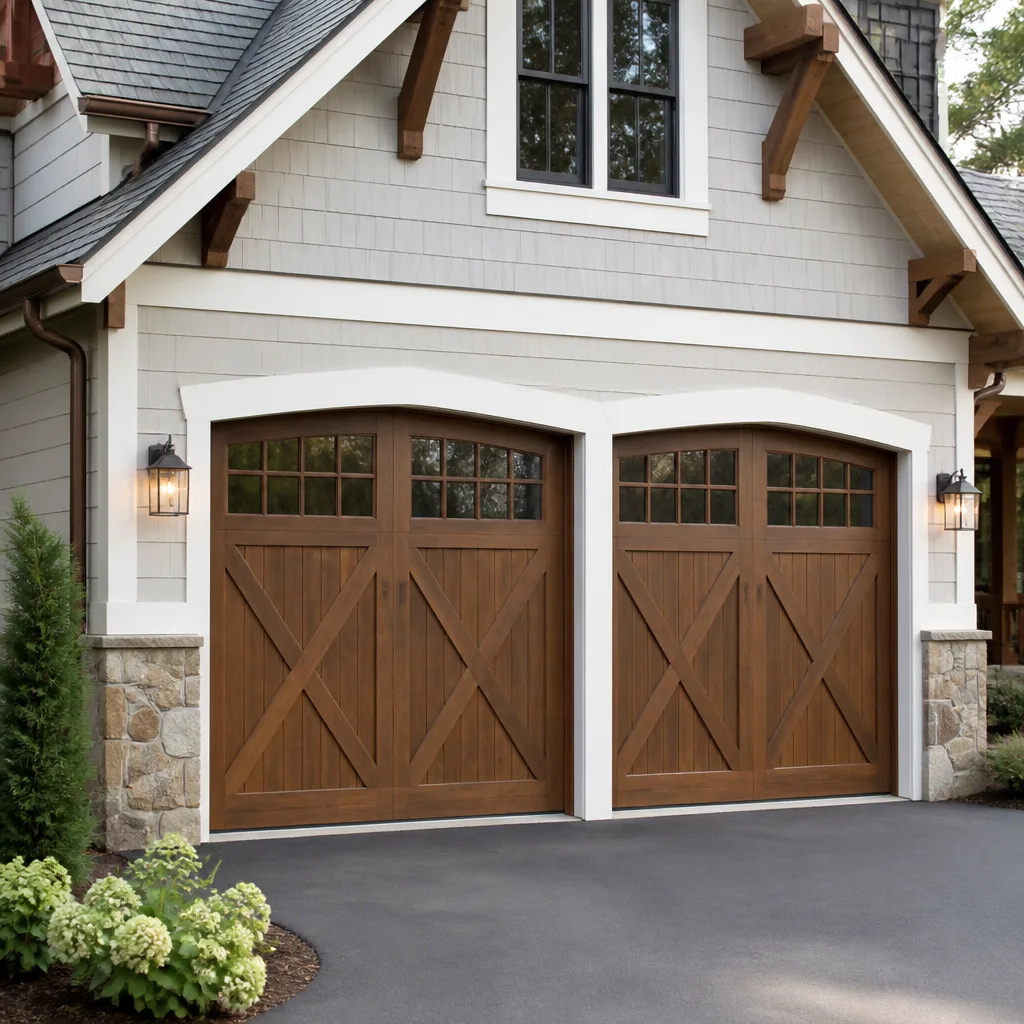 Carriage house
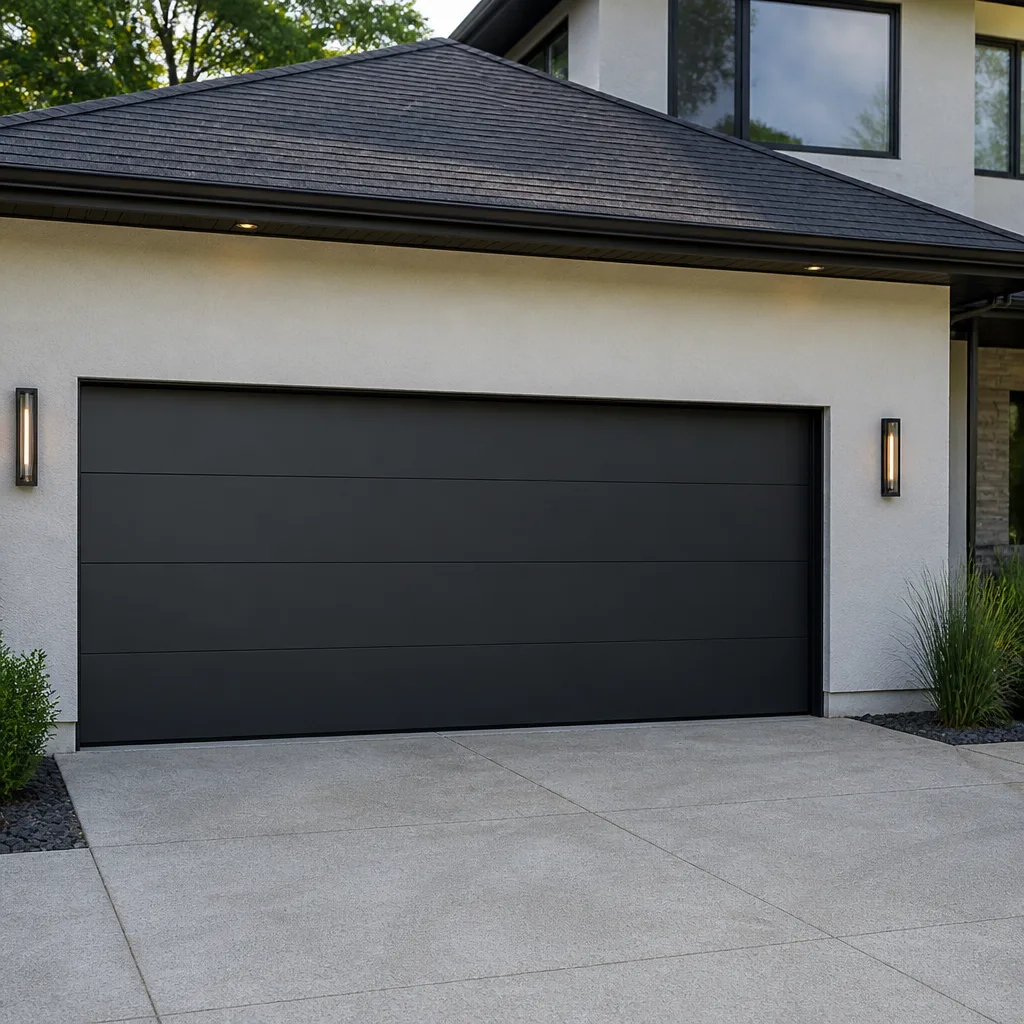 Modern flush
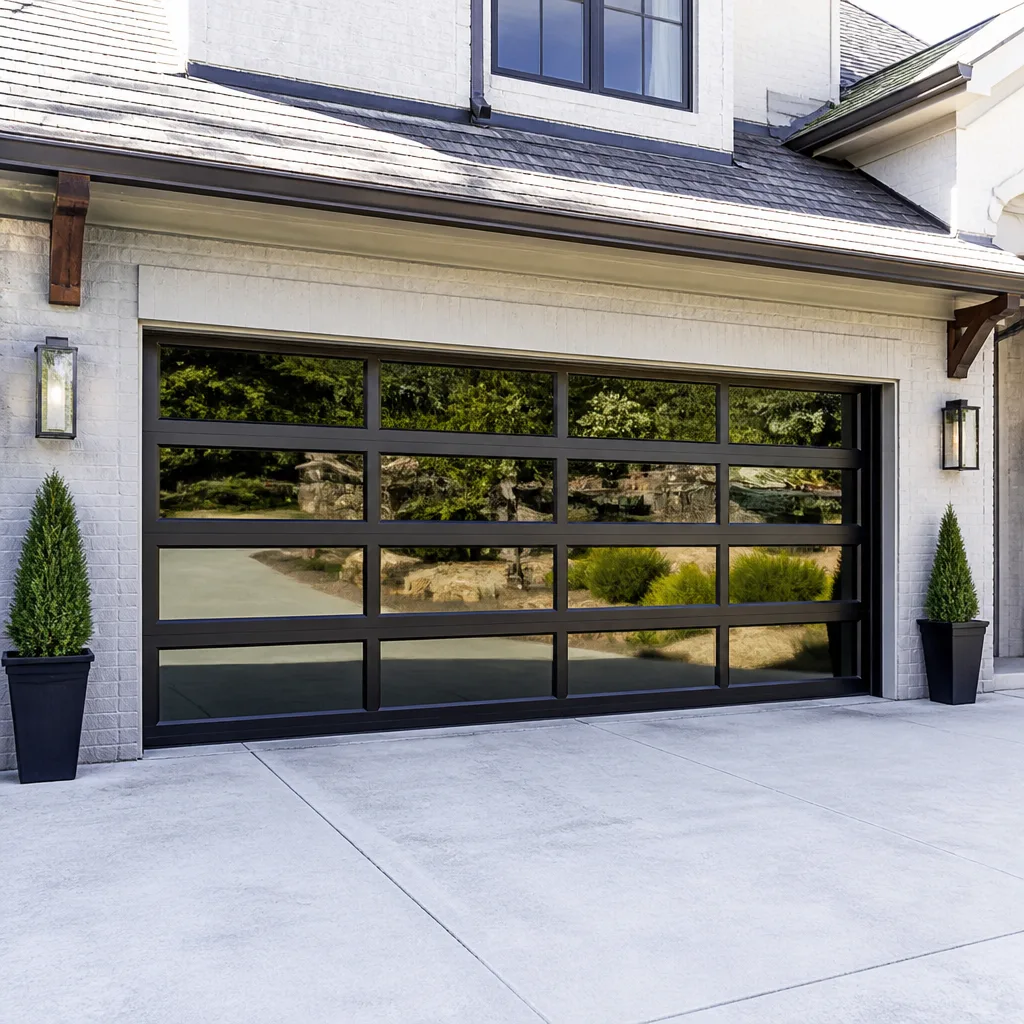 Full-view glass
 LiftMaster openers
 Chamberlain openers
Full 25-point door and opener safety check with every visit - springs, cables, rollers, tracks, and your LiftMaster or Chamberlain opener included
You get a price before we start. It does not change when the pro arrives.
Get your free estimateGarage Door Permits, Codes & Inspections in Trenton, NJ: What You Need to Know
Most Trenton homeowners assume replacing a garage door is a no-permit job. Usually, they’re right. The swap-any-door rule holds until a project crosses a specific line in the New Jersey Uniform Construction Code, and that line matters more than most people realize. Add an opener where none existed before, change a fire-rated door in an attached garage, or let an unpermitted install sit on the record, and you can end up in a delayed home sale or a certificate of occupancy that never clears. This guide explains the NJ UCC threshold, the fire-rated door rules, UL 325 opener safety standards, what a Trenton inspection actually checks, and how Mercer County HOA restrictions can reach further than code does.
Quick Answer
A straight garage door replacement on a like-for-like basis in Trenton generally does not require a construction permit. Projects that add a new opener where none existed, touch structural elements, or change a fire-rated door in an attached garage can trigger NJ Uniform Construction Code requirements and an inspection from Trenton’s Department of Inspections and Enforcement. When in doubt, call the department before you order the door.
Styles & brands we work with
- Raised-panel steel
- Carriage house
- Modern flush
- Full-view glass
- LiftMaster openers
- Chamberlain openers
Table of Contents
- When Does a Garage Door Project Need a Permit in Trenton?
- Fire-Rated Garage Doors: Why Material and Hardware Matter
- Opener Safety Under UL 325
- What Happens During a Trenton Inspection
- HOA Overlay: When Mercer County Boards Go Beyond Code
- How the Trenton Permit Process Works
- Common Mistakes to Avoid
- When to Call a Professional
When Does a Garage Door Project Need a Permit in Trenton?
The line between a permit-exempt replacement and a code-triggered installation comes down to scope. A straight swap of an existing garage door for one of similar size and function, in the same opening, with no new electrical work, is usually considered a repair or minor alteration. That work typically doesn’t need a construction permit in Trenton. What matters is whether the project introduces something new to the structure or the building’s systems.
If you add an opener where there wasn’t one before, you’re pulling electrical work and creating new mechanical components, and that pushes the project into the territory the NJ Uniform Construction Code cares about. Same story if the door you’re replacing is fire-rated in an attached garage but the replacement isn’t, or if you’re changing the opening dimensions to accommodate a wider door. Changing the rough opening means structural work, and structural work needs review.
A quick way to think about it:
- Straight door swap, same size, same opening, no new opener: typically no permit.
- New opener installed where none existed: usually requires an electrical permit at minimum, and the inspector will want to see safety compliance.
- Fire-rated door in an attached garage replaced with a non-rated door: code-triggered and likely to fail inspection.
- Structural changes to the opening or header: requires a construction permit.
- New door on a detached garage with no living space attached: fewer triggers, but confirm with your inspector.
Our recommendation is straightforward: if you’re unsure where your project falls, call Trenton’s Department of Inspections and Enforcement and describe the scope. A short conversation before you order saves weeks on the back end. For work that stays on the repair side of the line, we handle garage door repair throughout Trenton without touching code-triggered elements.
Fire-Rated Garage Doors: Why Material and Hardware Matter
An attached garage sits inside the same fire envelope as the rest of the house. That’s why the door between the garage and the living space (or, in some configurations, the garage door itself in a firewall assembly) needs to meet fire-resistance requirements under the NJ residential code. The requirement often gets waved off as an aesthetic choice, but it isn’t. A non-compliant fire-rated door can fail a Trenton inspection, and worse, can be flagged during a home sale. In older Trenton neighborhoods where attached garages are common, we’ve seen fire-rated doors swapped for standard steel doors because they looked better, and the result is a property record that doesn’t match reality.
What actually makes a door fire-rated isn’t just the material. It’s the whole assembly:
- Door panel material: typically a steel or fire-rated composite with a documented fire rating, not a standard insulated panel.
- Labeling: a fire-rated door carries a label or plate from the manufacturer identifying its assembly rating. No label, no credit.
- Frame and jambs: fire-rated jambs matter; a standard jamb defeats the door rating.
- Hardware: hinges, seals, closers, and smoke gaskets must all match the assembly rating. The builder’s label is the reference.
- Installation tolerances: gaps and clearances must match the assembly’s listed requirements, not what “looks tight.”
If your Trenton home has an attached garage and a door that separates the garage from the living space, don’t replace it without confirming the rating. A manufacturer’s label on the existing door is the starting point. If the label is gone, the department can tell you what documentation they’ll accept. We have handled garage door repair work in attached-garage homes where the fire-rating part was the deciding factor on which door got installed, and it’s worth getting right the first time.
Opener Safety Under UL 325
UL 325 is the safety standard for garage door operators. It’s what makes an automatic garage door opener safe for a household with kids or pets, and it’s what an inspector will expect to see when a new opener is part of a Trenton project. The core requirement is entrapment protection: the opener must detect a person or object in the door’s path and reverse. That means two separate safety systems working together.
The primary system is the auto-reverse feature triggered by mechanical force. When the door meets resistance on the way down, the opener reverses direction. Modern openers from LiftMaster, Chamberlain, Genie, and Craftsman use this as the baseline. It’s adjustable, and it can go out of calibration over years of use; a door that “bumps” before reversing has drifted.
The secondary system is the photoelectric eye pair mounted near the floor. Beam broken, door reverses. Both systems need to be present, powered, aligned, and functioning for a code-compliant installation. We can’t count the number of openers we’ve seen with the eyes mounted too high, wired backwards, or bypassed entirely because the homeowner got tired of the door reversing every time a leaf blew past.
For a Trenton installation, UL 325 compliance means:
- Opener labeled and installed per manufacturer requirements, including headroom and mounting height.
- Photoelectric eyes aligned and mounted per the manufacturer’s specified height above the floor.
- Force setting calibrated to the door weight and verified with a test.
- Manual release handle installed and reachable.
- Wall control mounted out of reach of small children where the manufacturer requires it.
- Door balance checked before the opener is tuned; an unbalanced door will defeat any force calibration.
If your opener is older, uses a dip-switch remote system, or has had any component bypassed, that’s worth addressing even if no inspection is on the calendar. Our technicians have up to 10 years of experience diagnosing exactly these setups, and garage door opener repair work like this is where we spend most of our time.
What Happens During a Trenton Inspection
An inspection isn’t a surprise. The inspector follows a checklist, and if you know what’s on it, you can avoid the re-inspection fee. For a garage door project that falls under permit, expect the inspector to look at installation, safety systems, and integration with the building envelope. The scope of the inspection depends on the permit type; an electrical permit for a new opener isn’t the same as a construction permit for structural changes.
Here’s what consistently comes up in Trenton inspections:
- Door function. The door opens, closes, and reverses under load. It’s balanced manually. Nothing grinds.
- Photoelectric eyes. Both eyes present, powered, and tested with a physical obstruction in the beam path.
- Force reversal. The auto-reverse triggers at the correct resistance, per the opener’s specification.
- Fire-rated assembly. If applicable, the label is present and the assembly matches the required rating.
- Attachments and hardware. Track, hinges, rollers, and spring counterbalance secure and undamaged.
- Electrical connection. Opener is on a proper circuit, with the disconnect method the manufacturer specifies.
- Clearances and obstructions. No storage leaning against the door, no aftermarket modifications blocking the path.
The most common fail points we see are unaligned or disabled safety eyes, force settings that were never calibrated after installation, and fire-rated doors swapped for non-rated panels. Second most common: something wasn’t secured to code and the inspector flags it before the door is even tested. The safest route is to have the installation verified before the inspector arrives; if it’s already installed, a diagnostic visit can catch the issue first. Spring component inspection during that visit matters a lot, and garage door spring repair is one of the more common fixes that comes out of a failed inspection.
HOA Overlay: When Mercer County Boards Go Beyond Code
Code is the floor, not the ceiling. Mercer County has a wide range of HOAs, and in the historic and more established Trenton-adjacent communities, architectural review can impose requirements that go beyond anything in the Uniform Construction Code. The classic case: the code approves the door, the HOA rejects the style. That rejection is not a code problem; it’s a community problem, and it can happen before or after you purchase the door.
HOA restrictions we’ve seen in the broader Trenton area tend to cluster around a few things:
- Panel style and window configuration. Colonial and raised-panel styles are often required in neighborhoods where that’s the established look. Modern flush panels or full-view glass doors can be rejected on aesthetic grounds.
- Color. Specific colors or a limited palette, sometimes tied to the neighboring homes’ trim or brick.
- Material. Wood-look steel is often fine; true wood or certain composite finishes sometimes aren’t.
- Hardware and trim. Decorative straps and hinges that don’t match the community look.
- Openers and smart features. Exterior-mounted keypads and Wi-Fi accessories sometimes fall under “exterior equipment” restrictions.
The lesson for anyone buying a door in Trenton: check the HOA requirements before you sign the order. Architectural review can take weeks, and the door you want may need board approval in advance. Have the manufacturer’s spec sheet in hand when you submit; a labeled product document moves faster than a verbal request.
How the Trenton Permit Process Works
If your project crosses the NJ UCC threshold, here’s the shape of the process. Timelines vary by permit type and season, so treat this as the sequence rather than a promise of speed.
- Confirm the scope with the department. Call Trenton’s Department of Inspections and Enforcement and describe exactly what’s changing. Ask specifically whether the work needs a permit, and whether a plan review is required.
- Submit the application. For a new opener, that’s typically the electrical permit. For structural changes, it’s a construction permit. Fire-rated assembly changes fall under whichever permit matches the scope.
- Schedule the inspection. Once the work is done and the installation is verified, schedule the inspection. Have manufacturer documentation ready for the inspector, especially the fire-rating label if it applies.
- Pass inspection, get the sign-off. If the inspection fails, the re-inspection fee applies and you schedule again. Every fail point should be addressed before the second visit.
If you’re preparing to sell a Trenton home, check the permit history before the listing goes live. An unpermitted opener from years ago can complicate the transaction, and the fix is usually simpler when it’s addressed early. We’re not the permit office; we don’t speak for them, and the timelines are theirs. What we do is handle the installation correctly, so the inspection has nothing to find. For full installation work that may involve permits, see Garage Door Repair Trenton Pros.
Common Mistakes to Avoid
- Assuming a door swap is always permit-free. It usually is, but only if the door, the opening, the fire rating, and the electrical scope all stay unchanged. Add an opener or change the opening and the assumption doesn’t hold.
- Buying the door before confirming the HOA rules. In Trenton and the surrounding Mercer County communities, architectural review can reject a door the code allows. The order should come after the board approves.
- Replacing a fire-rated door with a standard panel. This is the single most common code failure we see. If the original door has a fire-rating label, replace it with a rated assembly and matching hardware.
- Bypassing or disabling photoelectric eyes. The eyes exist because the opener can’t detect a kid or pet on its own. Bypassing them defeats UL 325 compliance and creates a real hazard.
- Skipping the pre-inspection diagnostic. Anything the inspector flags during the visit triggers a re-inspection fee and a second appointment. Catching it beforehand costs less and takes less time.
- Letting an older unpermitted opener sit in the record. When the home sells, an unpermitted opener becomes a negotiation issue. Address it proactively rather than at the closing table.
- Treating the opener’s force setting as a set-and-forget. Force calibration drifts over years. An opener that seems fine can still fail the reverse test an inspector runs.
See the difference
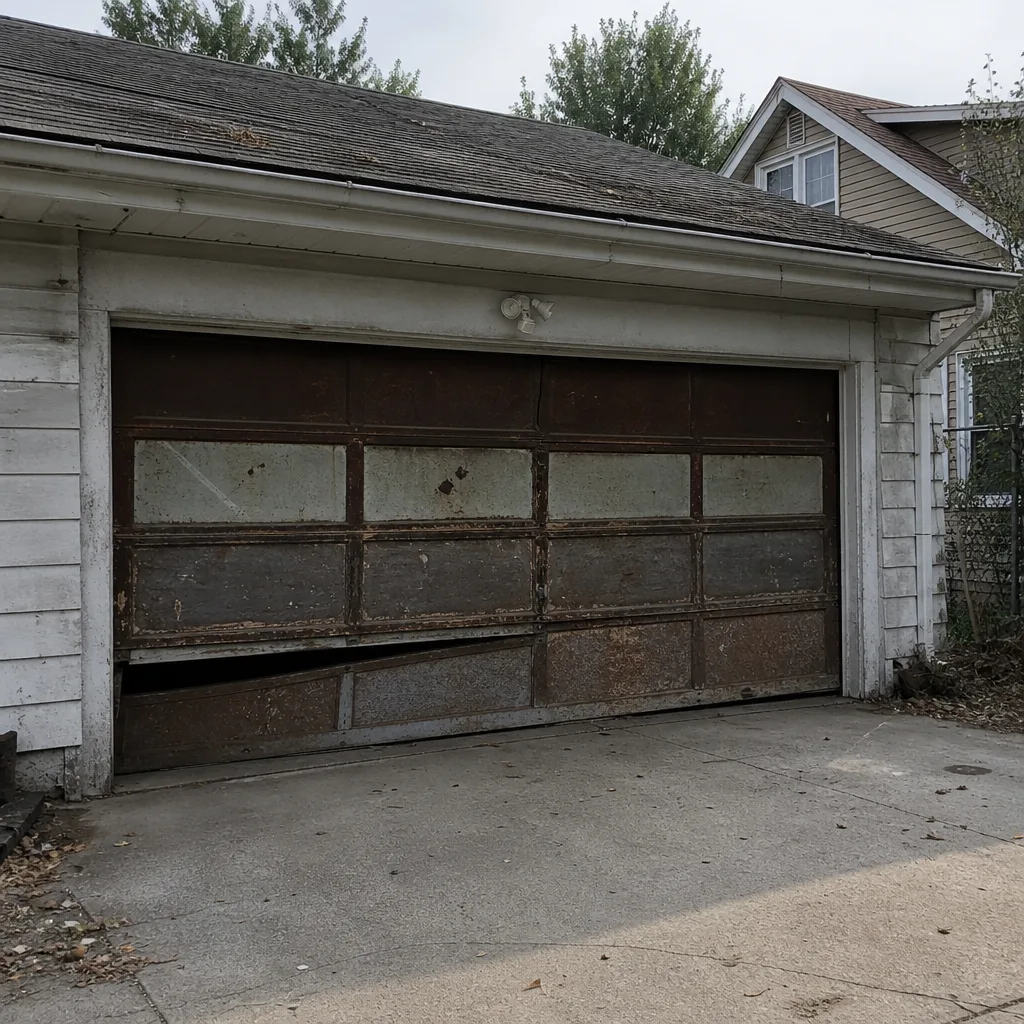 Before
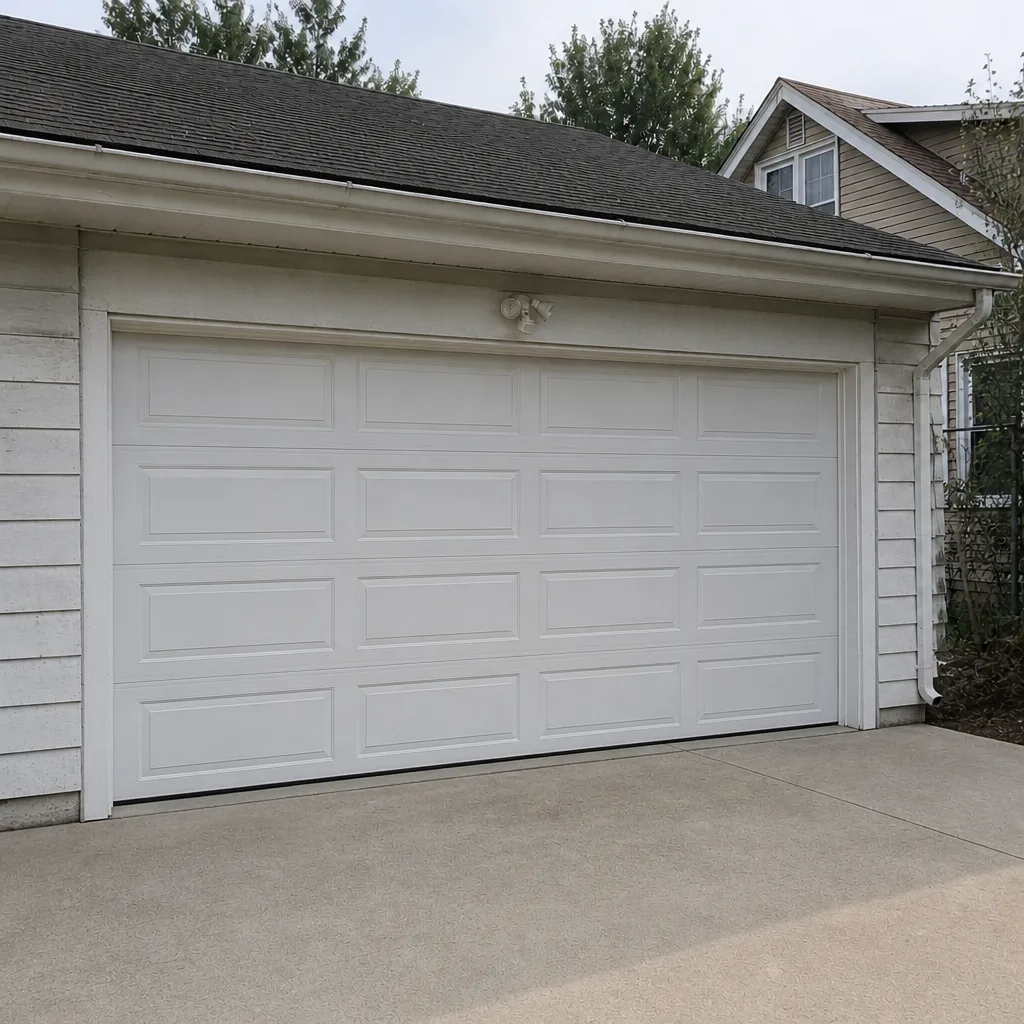 After
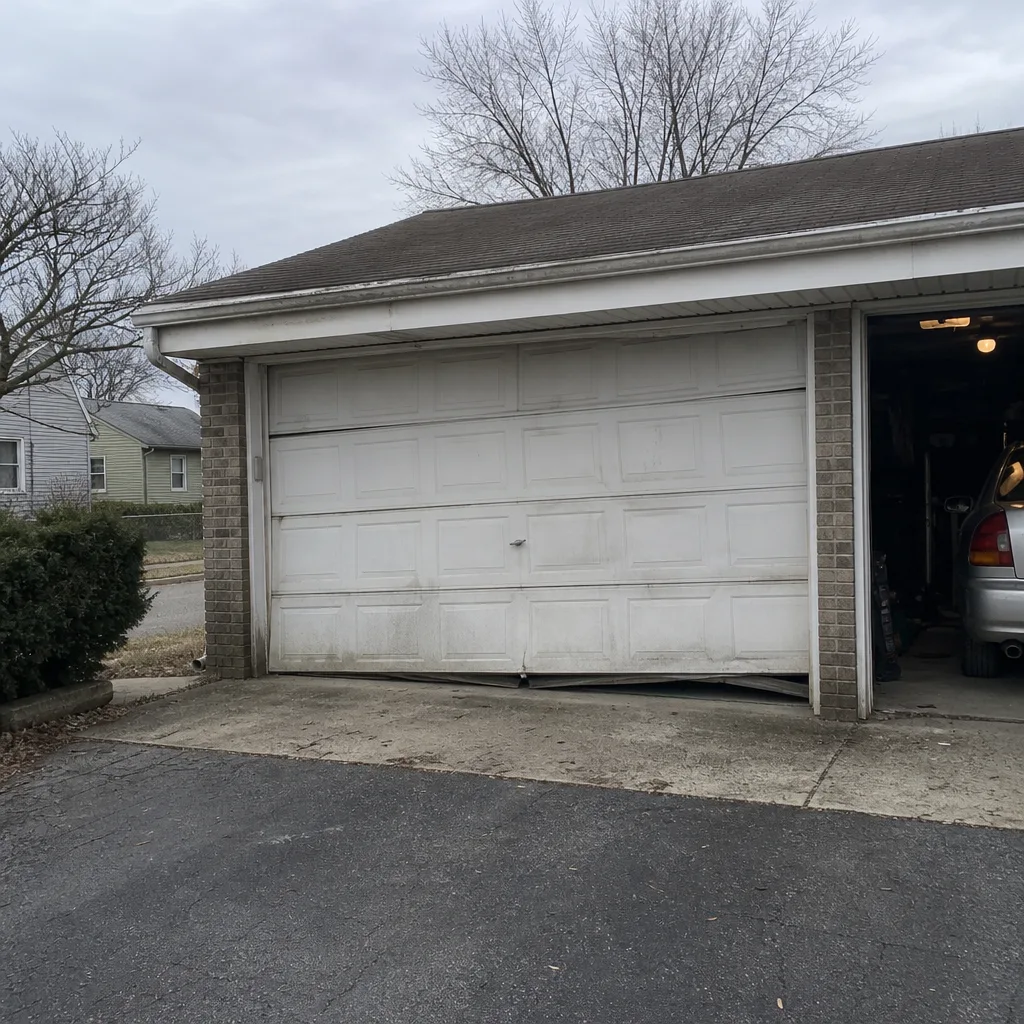 Before
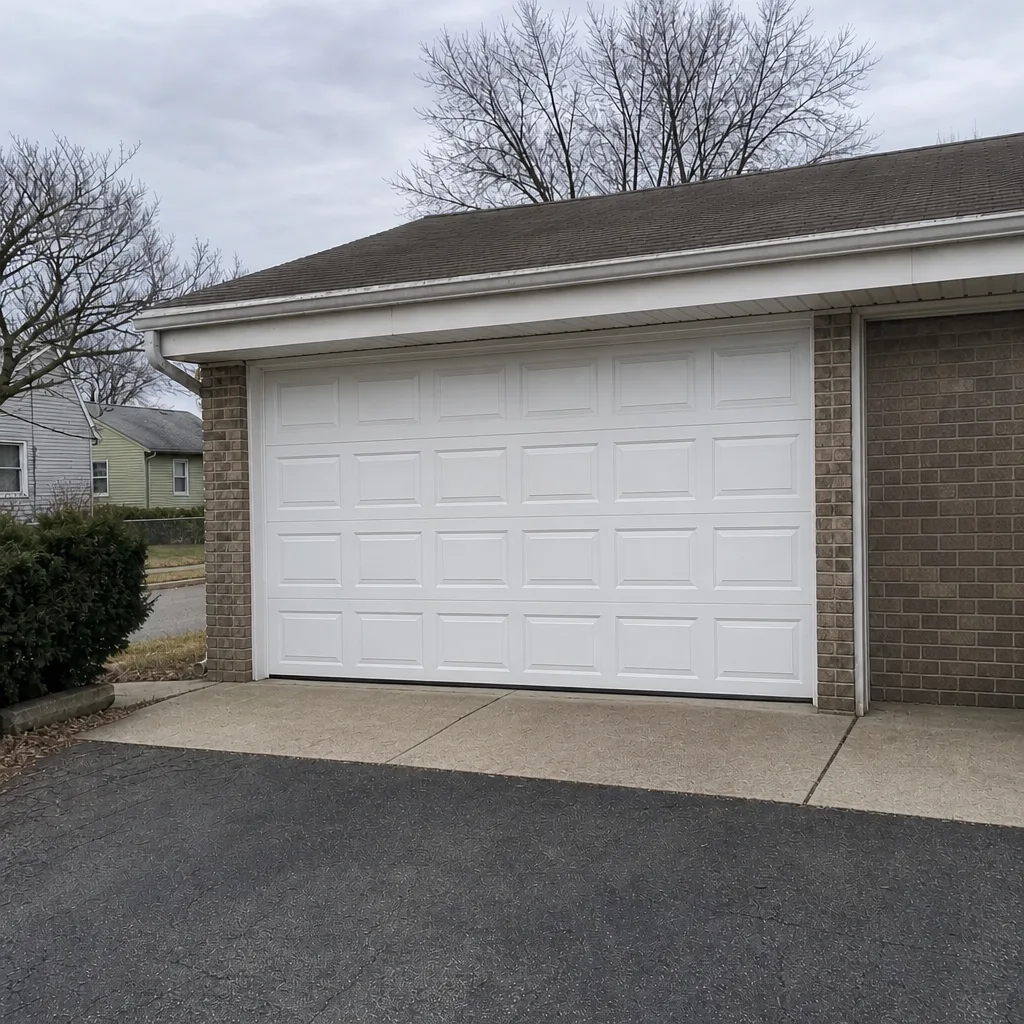 After
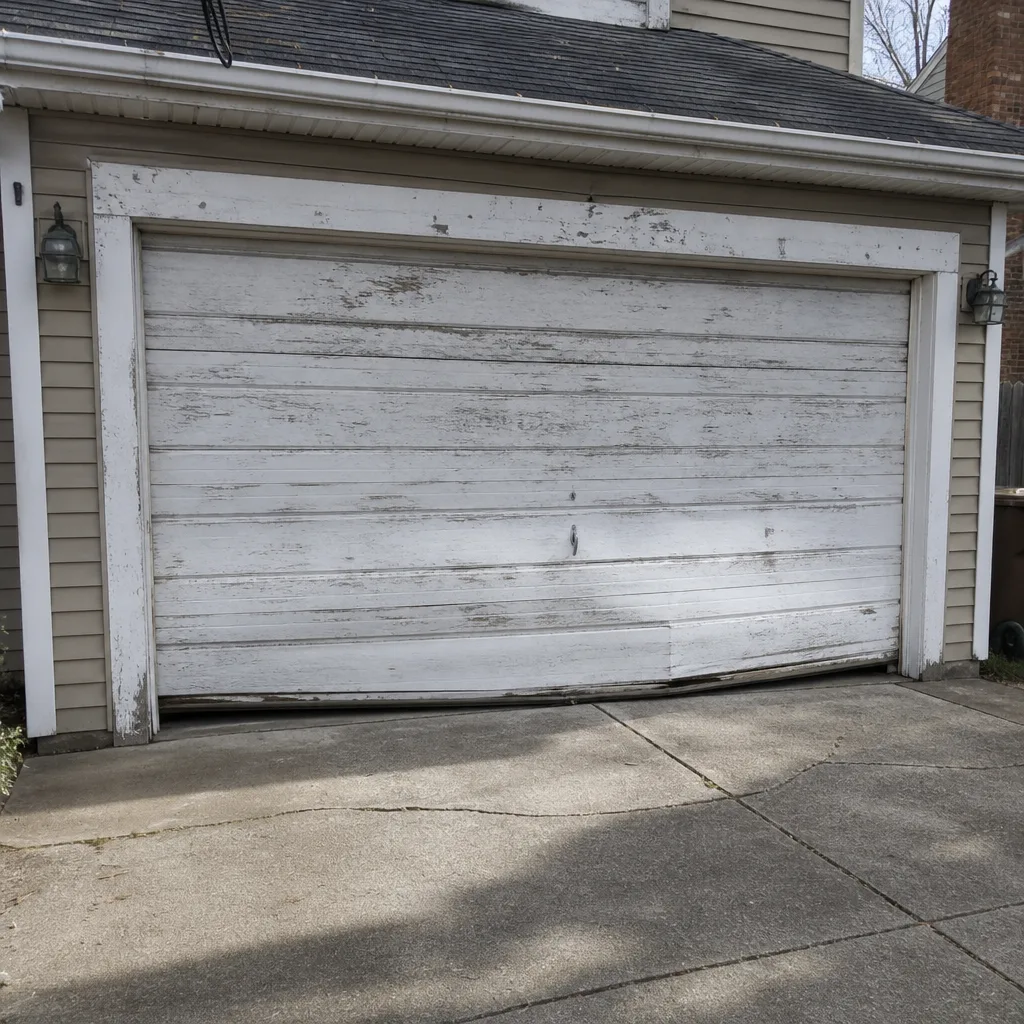 Before
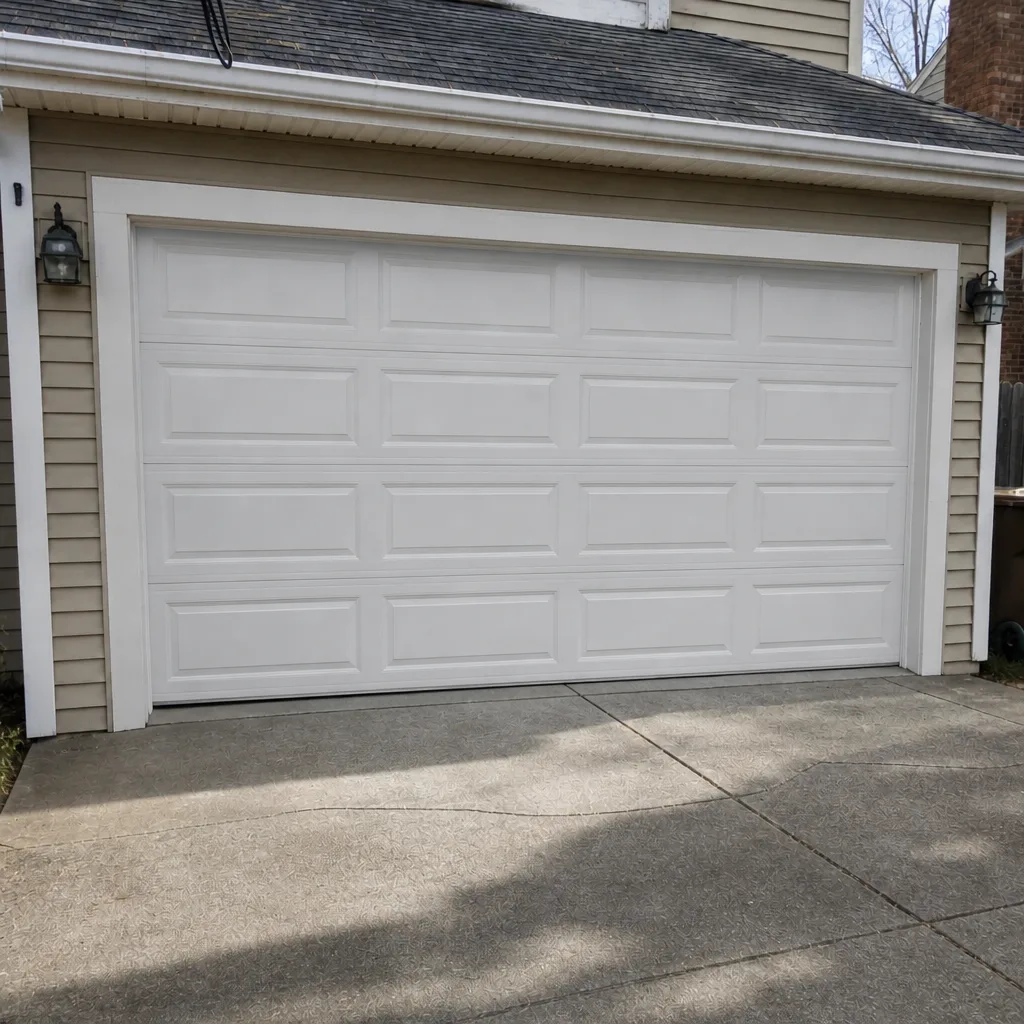 After
When to Call a Professional
Some of this guide is about the paperwork. Some of it is about the door itself, and the door is where safety matters most. Springs are the highest-risk component in the entire system: they hold the door’s full weight under tension and can cause serious injury when handled without the right tools and training. We don’t recommend inspecting, adjusting, or replacing springs yourself. Same for opener force calibration on a door that isn’t balanced, and same for anything involving the electrical connection to a new opener.
If you’re facing a stuck door, a snapped spring, an opener that stopped responding, or an upcoming inspection you’d rather pass on the first visit, Garage Door Repair Trenton Pros offers free estimates in Trenton. We diagnose first and recommend only the parts that need replacing, and we work on LiftMaster, Chamberlain, Genie, Clopay, Amarr, Wayne Dalton, Craftsman, and Raynor systems. Call (833) 509-3463.
Frequently Asked Questions
Usually no, as long as you’re swapping the door like-for-like in the same opening with no new electrical work and no change to a fire-rated assembly. Adding an opener where none existed, changing the opening size, or downgrading a fire-rated door typically triggers NJ Uniform Construction Code requirements. When in doubt, call Trenton’s Department of Inspections and Enforcement before you order. Call (833) 509-3463 for a free estimate on the installation side.
Permit fees are set by the township and vary by permit type and project scope, so the only reliable number is the one the department gives you directly. Ask them for the fee schedule when you call about your scope. For the installation itself, we provide a written estimate before any work begins. Call (833) 509-3463 for a free estimate.
The local professionals we connect you with are licensed and insured as New Jersey requires, and we’ll confirm documentation before any work starts. We hold to that standard on every job. Call (833) 509-3463 to talk through your project.
The inspector checks door function, photoelectric eye operation, force reversal, fire-rated assembly documentation (where applicable), hardware attachment, electrical connection, and clearances. The list is short and specific, and the common fails are unaligned safety eyes and force settings that were never calibrated. Call (833) 509-3463 for a diagnostic before your inspection.
Confirm what’s on record first by calling Trenton’s Department of Inspections and Enforcement. If the opener wasn’t permitted and your home is heading toward a sale, it’s better to address it proactively than at the closing table. A diagnostic visit can verify that the current installation meets the safety requirements. Call (833) 509-3463 with the details.
Yes, if the door separates the garage from the living space, it typically needs to meet fire-resistance requirements under the NJ residential code. The full assembly matters: door panel, label, frame, jambs, and hardware all have to match the rating. A standard steel panel isn’t a substitute. Call (833) 509-3463 to talk through the right replacement assembly for your garage.
The Bottom Line
Most garage door replacements in Trenton don’t need a permit, and most Trenton homeowners are right to assume that. The exceptions are where things get consequential: adding an opener where none existed, touching structural elements, or changing a fire-rated assembly in an attached garage. UL 325 compliance is the standard for any new opener, the inspection checklist is short and predictable, and HOAs in the area can add requirements beyond code. Getting the scope right before you order saves time, fees, and headaches at the closing table. When you’re ready to move on the installation or catch a pre-inspection issue, call (833) 509-3463 for a free estimate.
Written by the team at Garage Door Repair Trenton Pros.