Last updated November 23, 2026
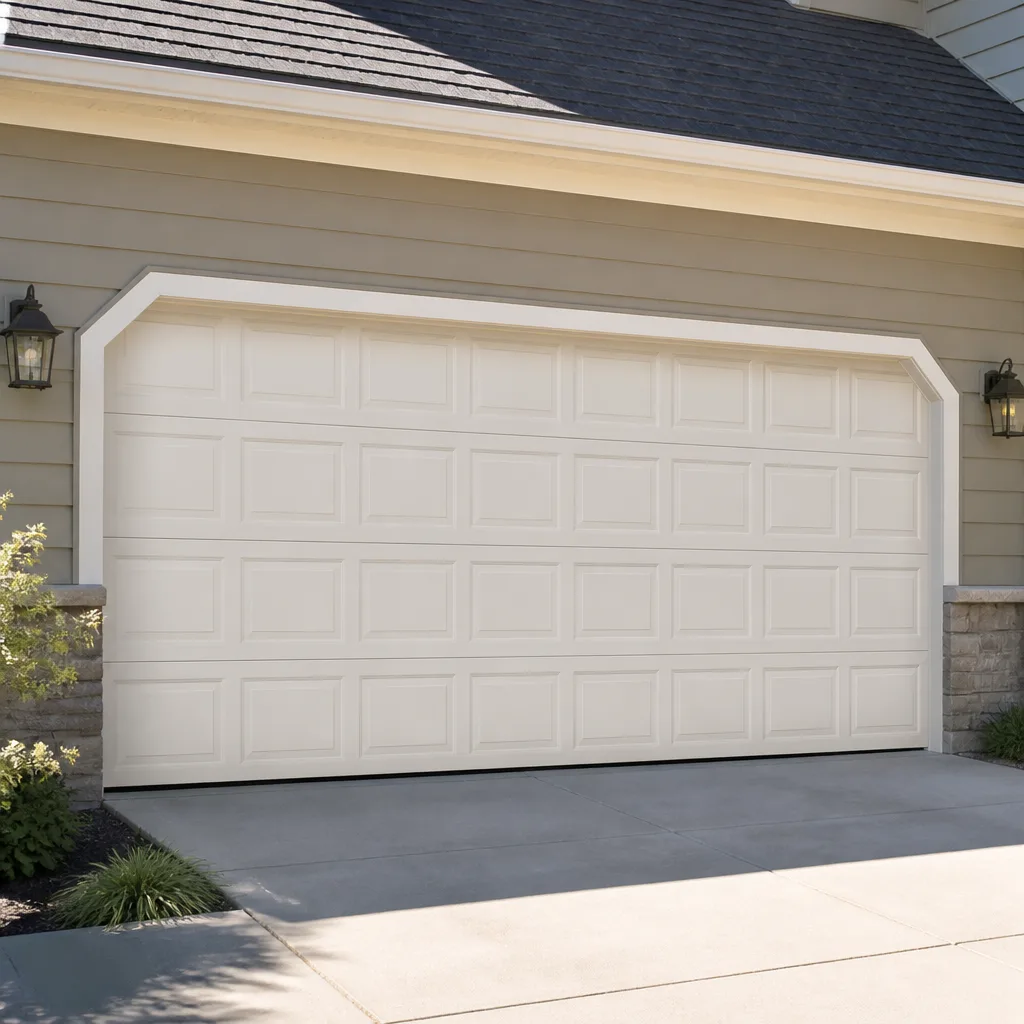 Raised-panel steel
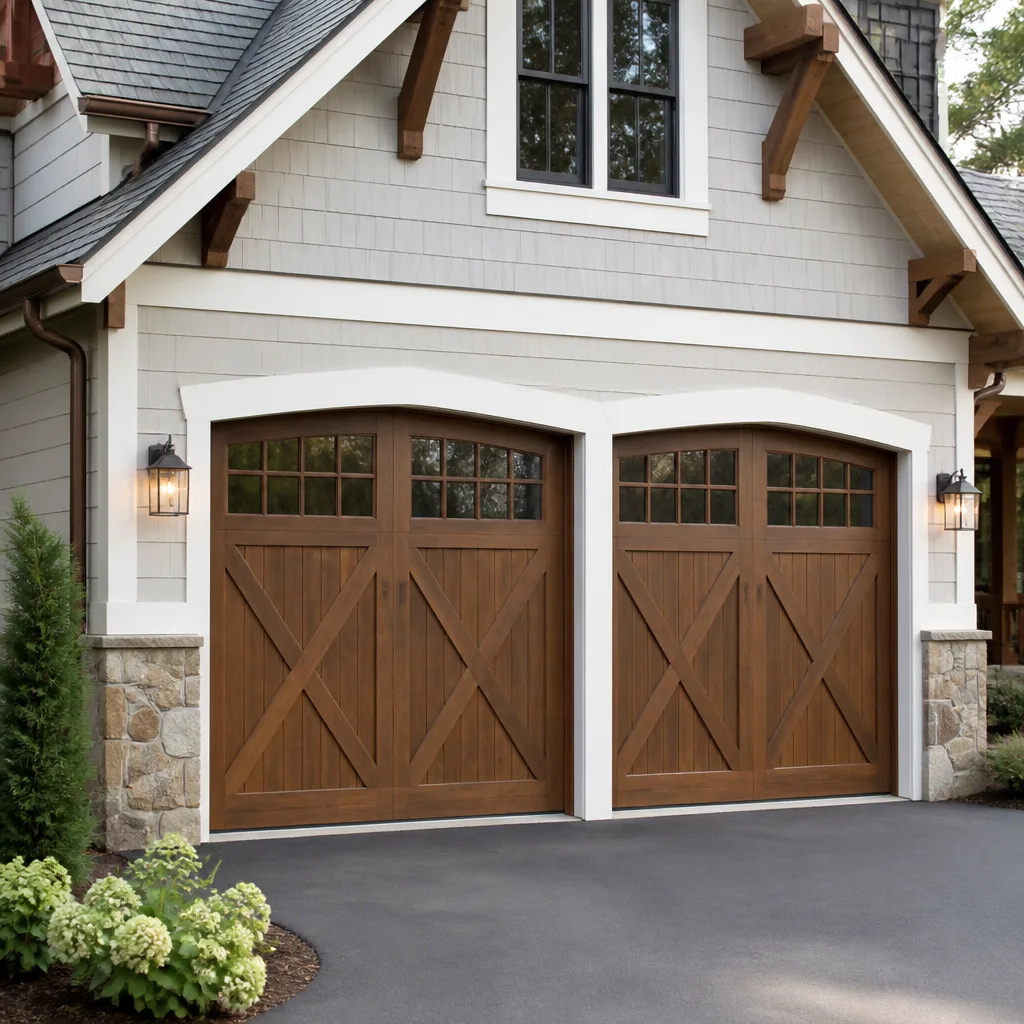 Carriage house
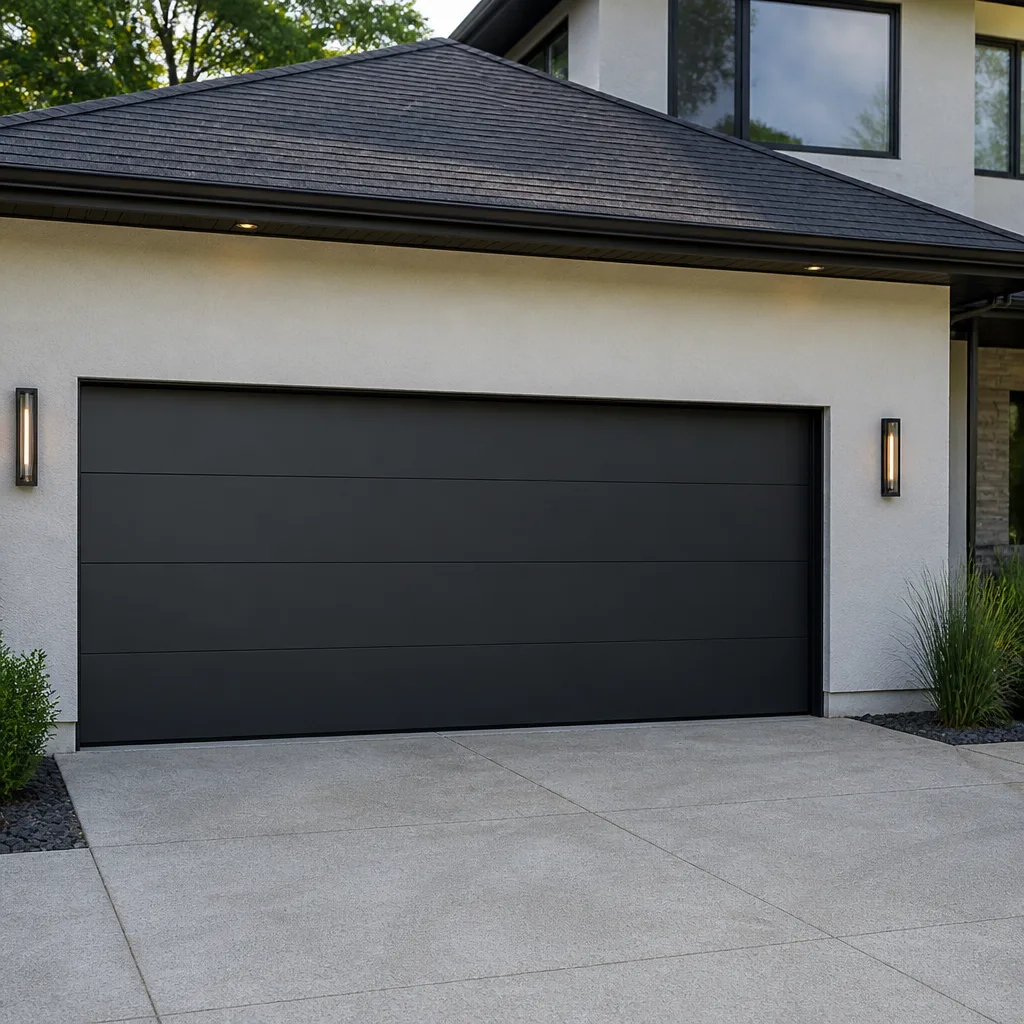 Modern flush
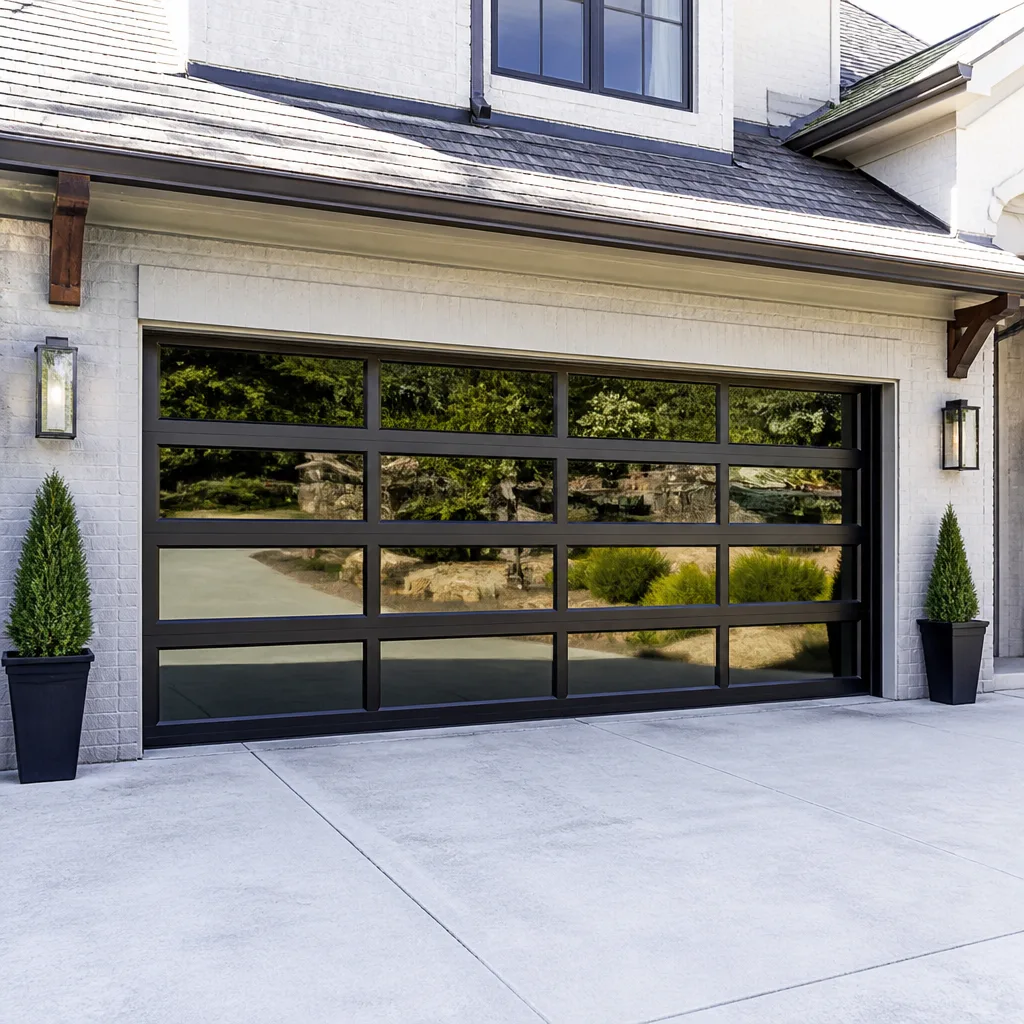 Full-view glass
 LiftMaster openers
 Chamberlain openers
Full 25-point door and opener safety check with every visit - springs, cables, rollers, tracks, and your LiftMaster or Chamberlain opener included
You get a price before we start. It does not change when the pro arrives.
Get your free estimateGarage Door Warning Signs: A Trenton Homeowner’s Reference Guide
A garage door that reverses before it ever touches the ground gets blamed on the safety sensors almost every time. In our experience, that’s often the wrong call. A worn torsion spring, a binding hinge, or a roller that’s seized in its bracket can all make a door behave like a sensor fault, so homeowners spend an afternoon cleaning lenses and nudging brackets while the real problem sits overhead on the spring shaft. Misreading a symptom costs you money twice: once for the wrong part, and again when the actual failure gets worse. This guide maps the sounds, sights, and opener behaviors you’ll notice in a Trenton garage to the components actually responsible for them. It also separates the signs that need same-day service from the ones that can wait for a scheduled visit.
Quick Answer
The warning signs that most often mean imminent failure are a snapped torsion spring (a loud bang, then a door you can lift by hand), a frayed or kinked lift cable, and a door that reverses for no visible reason. Grinding noises usually point to rollers or hinges, squealing to dry or worn bearings, and uneven movement to a cable or spring problem rather than the opener. Any symptom linked to springs, cables, or the door coming off its track should be handled by a trained technician, not adjusted at home.
Styles & brands we work with
- Raised-panel steel
- Carriage house
- Modern flush
- Full-view glass
- LiftMaster openers
- Chamberlain openers
Table of Contents
- Symptom-to-Cause Map: What Each Noise Is Telling You
- Visual Warning Signs: Springs, Cables, and Rollers
- Your Opener Is a Symptom Decoder
- Which Warnings Need Same-Day Service and Which Can Wait
- Signs Specific to Trenton’s Housing Stock
- How Trenton Weather Stresses a Garage Door
- A Monthly Inspection Checklist for Trenton Homeowners
Symptom-to-Cause Map: What Each Noise Is Telling You
The noise a garage door makes is diagnostic. It’s common for a homeowner to hear grinding, assume the opener motor is dying, and start pricing a replacement unit when a single worn roller is the actual fault. The opener is the easiest thing to blame because it’s the part with a brand name on it, but it’s usually the messenger, not the cause. Here’s how we map the most frequent sounds we get called about in Trenton.
- Grinding: Almost always rollers or the hinge pivots. A steel roller that’s lost its bearing, or a plastic roller that’s flat-spotted, drags along the track instead of rolling. If the grinding gets louder in cold weather, that points even harder at rollers.
- Squealing or screeching: A high-pitched squeal is usually a dry or failing bearing, often in a roller or an idler pulley. It can also come from a torsion spring that’s binding rather than turning smoothly on its shaft.
- Banging or popping: A single loud bang followed by a door that won’t open is the classic sound of a torsion spring breaking. Repeated popping as the door travels usually means a cable is jumping its drum or a panel is catching on the track.
- Clicking: Sharp clicks near the opener housing often trace to the gear assembly or a failing logic board relay. Clicking that repeats at the exact same spot in the door’s travel is usually a roller or hinge catching at a track joint.
- Rattling: Loose track bolts, a slack chain, or a worn trolley carriage. It’s the least urgent of the bunch but the easiest to fix before it becomes something bigger.
One caution before you go any further. The torsion spring and the cables that lift the door are under high tension, and they are the most dangerous components in the entire system. Never attempt to adjust, lubricate, or remove a spring or cable yourself. That work belongs to a trained technician with the right winding bars and the right knowledge of your door’s load.
For the brand-name portion of the diagnosis, this matters less than the symptom. A Craftsman opener and a LiftMaster opener share most of the same mechanics, so the noise tells us what’s wrong regardless of the label on the housing. We work on your brand, but we diagnose the actual fault first.
Visual Warning Signs: Springs, Cables, and Rollers
Some failures announce themselves with sound. Others you have to look for. A visual inspection with the door closed takes under a couple of minutes, and it’s the fastest way to catch a problem before it strands you. The trick is understanding which visual signs mean “schedule service soon” and which mean “stop using the door now.”
Springs: Rust Patterns and Gaps
Torsion springs live on the horizontal shaft above the door. Extension springs run along the horizontal tracks on each side. On either type, look for:
- Rust streaks or heavy flaking: Surface rust on its own isn’t an emergency, but a spring that’s visibly pitted or losing metal at the coils has less material holding the tension. Strong rust on one section of the coil is a sign the spring is fatiguing unevenly.
- A visible gap in the coil: This is a broken torsion spring. Stop using the door. The opener is now trying to lift the full weight of the door on its own, and that will eventually burn out the motor as well.
- Extension springs without safety cables: Older doors often lack the steel cables that run through the center of each spring. Those cables exist to contain a spring if it snaps. If yours doesn’t have them, that’s a real safety gap on old-construction hardware and worth having addressed. Our garage door spring repair team handles that swap routinely.
Cables: The Fraying Threshold
Cables run from the bottom corners of the door up to the drums at the top. You’re looking for any strand separation at all. A single broken wire on the outer wrap means the cable has lost a meaningful share of its strength margin and is on its way to snapping. Kinks, rust staining along the length, or a cable that’s jumped its drum are all same-week problems. If the door has dropped on one side and hangs crooked, stop operating it.
Rollers: Wear Indicators
Look at the rollers where they meet the track. A healthy roller rolls. A worn one slides, wobbles in its bracket, or has a flat spot on the wheel. Plastic rollers go first in colder climates. If several rollers look flattened or the bracket holes have gone oval, the door is dragging instead of rolling, and that drag is what shortens the life of your opener.
Your Opener Is a Symptom Decoder
A garage door opener’s behavior is giving you a read on the whole system, not just the motor. When a door hesitates, reverses, or runs at different speeds going up versus coming down, the opener is usually reacting to resistance somewhere in the door assembly. This section is where the most misdiagnoses happen, and understanding it can save you from paying for the wrong part.
When the Door Reverses Unexpectedly
Sometimes it really is the safety sensors. A misaligned lens, a dirty lens, or a spiderweb across the beam will trip the door and send it back up. But if the lenses are clean and aligned and the door still reverses, suspect mechanical resistance. A broken spring is the most serious possibility. The opener’s internal torque sensor detects that it’s pulling more load than it expects and trips the safety stop. A binding hinge or a misaligned track can produce the same result. In our experience, a substantial share of “sensor problems” turn out to be one of these mechanical faults. That’s why we diagnose first, then recommend. We won’t sell you a sensor kit that won’t fix the problem.
When the Door Hesitates or Starts Slowly
A door that pauses before it moves, or starts gradually rather than crisply, is often fighting something. Common causes include a torsion spring that’s lost some of its lift, a track that’s out of alignment, or a worn trolley. If the hesitation is only in one direction, the door’s balance is likely off. An unbalanced door strains the opener on every cycle, and continued use shortens the motor’s life.
When the Opener Runs Slower in One Direction
This usually points to the door being harder to move up than down, or vice versa. It might be gravity assistance working against the opener on one side, a cable that’s dragging, or a panel that’s catching. On LiftMaster and Chamberlain units, the opener’s force adjustment settings can mask the symptom temporarily, but masking it is a short-term fix with a long-term cost. If you’ve noticed one direction running slower, that’s worth a service call to check balance and alignment. Our garage door opener repair team diagnoses the opener and the door as one system, which is the only reliable way to catch this.
Legacy and Smart Openers Alike
Modern openers bring their own symptoms. A Wi-Fi-enabled LiftMaster or Chamberlain that won’t reconnect to the app, or a Craftsman that’s dropping off the myQ network, isn’t a mechanical failure at all. It’s a connectivity or board-level problem. Those are worth a diagnostic before you replace the unit. Many legacy and modern units can be repaired rather than replaced once the actual fault is identified.
Which Warnings Need Same-Day Service and Which Can Wait
Getting the urgency call wrong is where homeowners lose money. Treat a cosmetic squeal as an emergency, and you pay for a service visit you didn’t need. Ignore a broken spring for a week, and you’ll likely be replacing the opener motor in addition to the spring. Here’s how we sort typical symptoms.
Same-Day Service Signs
- A snapped torsion spring or a door that won’t lift: Stop using the door immediately. Continued use with a broken spring damages the opener and increases the risk of a cable failure.
- A door that’s come off its track or is hanging crooked: A door in this condition can fall. Don’t operate it, and don’t try to walk it back into place.
- A high-pitched grating sound that suddenly appeared while the door is moving: This often indicates a cable or bearing failure in progress. Stop the door and call.
- A door that reverses or stops mid-travel and can’t be made to close safely: If the garage is your main entry or holds your vehicle, you need it working today.
- An opener that won’t respond at all: Usually a dead logic board, a failed capacitor, or a power issue. A diagnostic will sort it.
Signs That Can Wait for a Scheduled Visit
- Gradual squealing that doesn’t change: Usually a dry bearing. Should be serviced soon, but it’s unlikely to fail catastrophically in the next week.
- Mild rattling: Loose hardware. Worth addressing on your next scheduled service.
- Cosmetic rust on springs with no gap: Get it inspected, but the door is functioning normally.
- An opener app that won’t connect: Annoying, not unsafe. Book it when convenient.
Signs Specific to Trenton’s Housing Stock
Trenton’s older homes – many of them built decades ago with wood-frame garage openings – produce their own category of warning signs. A garage door on a home from the mid-20th century has been opening and closing through hundreds of seasonal cycles, and the wood that surrounds it has been responding to that weather the entire time. When that framing shifts, the door and its track move with it.
Here’s what to look for if your home is in one of the older neighborhoods, like those around Chambersburg or the Mill Hill area, where wood-frame garages are common:
- Shifting jambs: If the door has started rubbing against one side of the opening, or a gap has appeared at the top of the door, the wood frame has likely shifted. Track alignment follows the frame, so a shifted frame causes track problems.
- Old-construction hardware: Original hinges, rollers, and brackets on older doors may no longer meet current load ratings for the door’s actual weight. That’s not a code violation you need to chase down, it’s just a wear issue – old hardware becomes brittle, and it’s worth having it inspected.
- Sagging headers: Look above the door opening for a header beam that’s bowed in the middle. That’s a structural sign and can throw the whole track system out of level.
- Uneven floor: An older garage floor that’s settled means the door’s bottom seal won’t sit flush. That lets in water and pests, and it also confuses safety sensors. If the door seals unevenly, check whether the floor is level before assuming the door needs adjustment.
In newer construction around the Trenton suburbs, the warnings tend to be about maintenance rather than structure. The framing is sturdier, but the hardware still wears. Our garage door repair service covers both scenarios.
How Trenton Weather Stresses a Garage Door
Trenton gets four real seasons. That matters for garage doors because the components that fail most often – springs, cables, and hinges – are metal under constant tension, and metal expands and contracts with every temperature swing. Spring is usually when we see a wave of failures, because the coldest stretch of winter has pushed springs to their limit. A torsion spring that’s been slowly fatiguing all winter is more likely to break the first time you use the door in warmer weather.
Summer isn’t free either. Heat and humidity speed up corrosion on cables and springs, and wood frames swell in humid months. A door that was aligned in the dry winter can start rubbing come July. Wood-frame garages in humid Trenton summers are where we see most frame-shift complaints.
The practical takeaway: check your door’s springs and cables twice a year, once when the seasons change in spring and once in fall. A visual check with the door closed costs you two minutes and catches most of the problems before they become emergencies.
A Monthly Inspection Checklist for Trenton Homeowners
Here’s a simple monthly routine. Nothing on this list requires you to touch a spring or a cable – those are trained-technician territory. Do this with the door closed and the opener unplugged.
- Run the balance test: With the door closed, disconnect the opener by pulling the release cord. Lift the door halfway by hand. If it stays put with minimal effort, it’s balanced. If it drops or feels unusually heavy, that’s a symptom worth calling about.
- Listen for changes: Open and close the door once. Compare the sound to last month. New grinding, squealing, or clicking is a signal.
- Inspect the springs visually: Look for gaps, rust streaks, or flaking on the coils. Note them, don’t touch them.
- Look at the cables at the bottom corners: Any fraying or kinking means call us.
- Test the safety reverse: Place a small object in the door’s path near the floor. The door should reverse on contact. If it doesn’t, the safety reverse is failing and needs service.
- Check the weather seal: Look for daylight under a closed door. That’s a gap letting in weather and insects.
- Test the opener’s remote and wall button: If one works and the other doesn’t, that’s a symptom worth a diagnostic.
Common Mistakes to Avoid
- Blaming the opener for everything. The opener is the most visible component and the easiest to blame. Grinding and slow operation are usually roller, hinge, or spring issues. Replacing the opener without fixing the underlying cause just wears out the new motor faster.
- Trying to adjust a torsion spring yourself. Springs are under hundreds of pounds of tension and can cause serious injury. That’s true whether you have a 10-year-old Craftsman door or a newer LiftMaster unit. Leave spring work to a trained technician.
- Ignoring a door that’s hanging crooked. A door that’s dropped on one side means a cable has failed or is about to. Trenton homeowners in older neighborhoods sometimes assume it’s just a settling foundation. It’s almost always the door’s hardware, and a repair now prevents a much bigger job later.
- Using the door with a broken spring. The opener will try to lift the door on its own, which usually burns out the motor in a matter of cycles. Stop the door and call.
- Not inspecting cables after a big temperature swing. Trenton’s springs and falls bring sudden freeze-thaw cycles that stress cables. A quick visual check around those transitions catches problems early.
- Replacing a whole door over one failing panel. Panel damage doesn’t always require a whole-door replacement. Sometimes it’s the frame or a hinge that’s causing the panel to bind. That’s worth a proper diagnosis before pricing a new door. Our garage door repair team starts with a diagnosis, not a quote for a full replacement.
- Hiring a generalist for a specialized failure. A handyman can tighten a loose bolt. A failing torsion spring, a misaligned track, or a smart-opener board fault needs a specialist familiar with the door’s brand and load requirements. We work on your brand for exactly this reason.
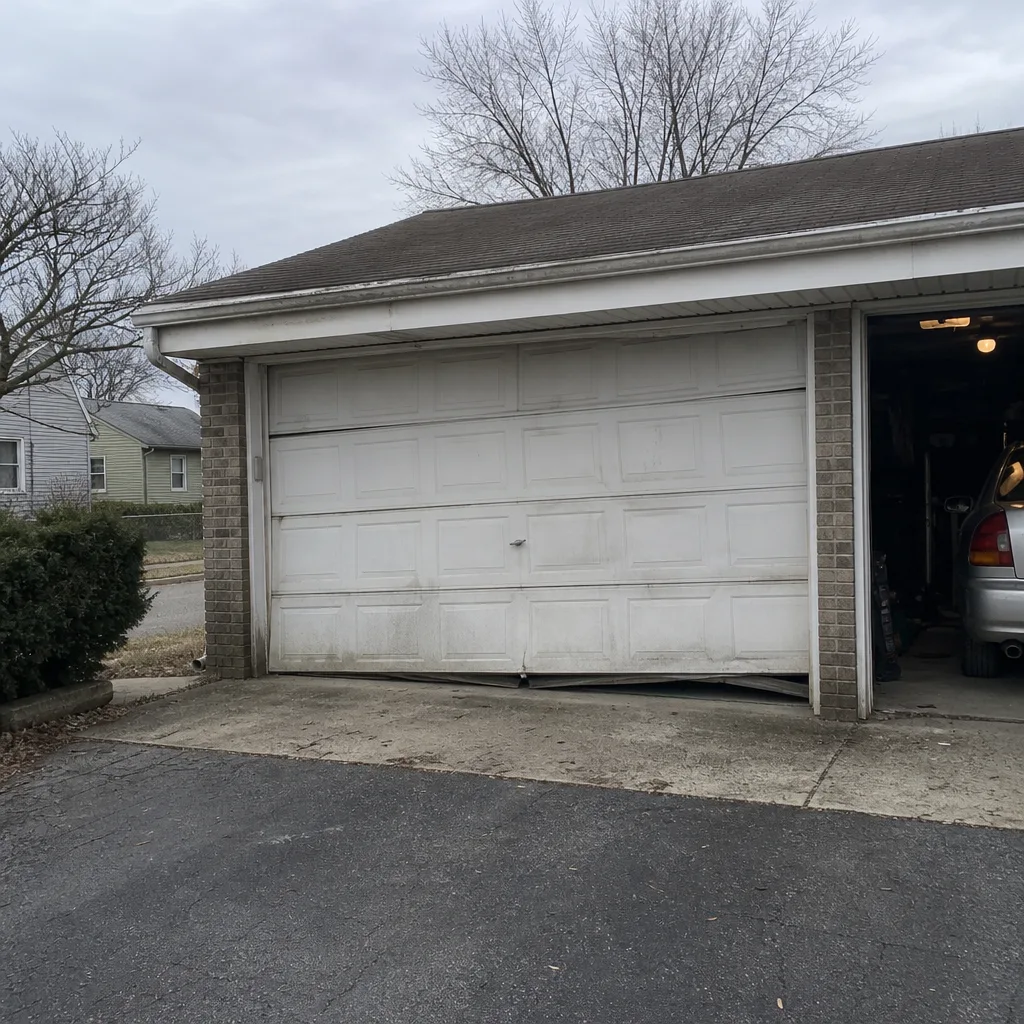
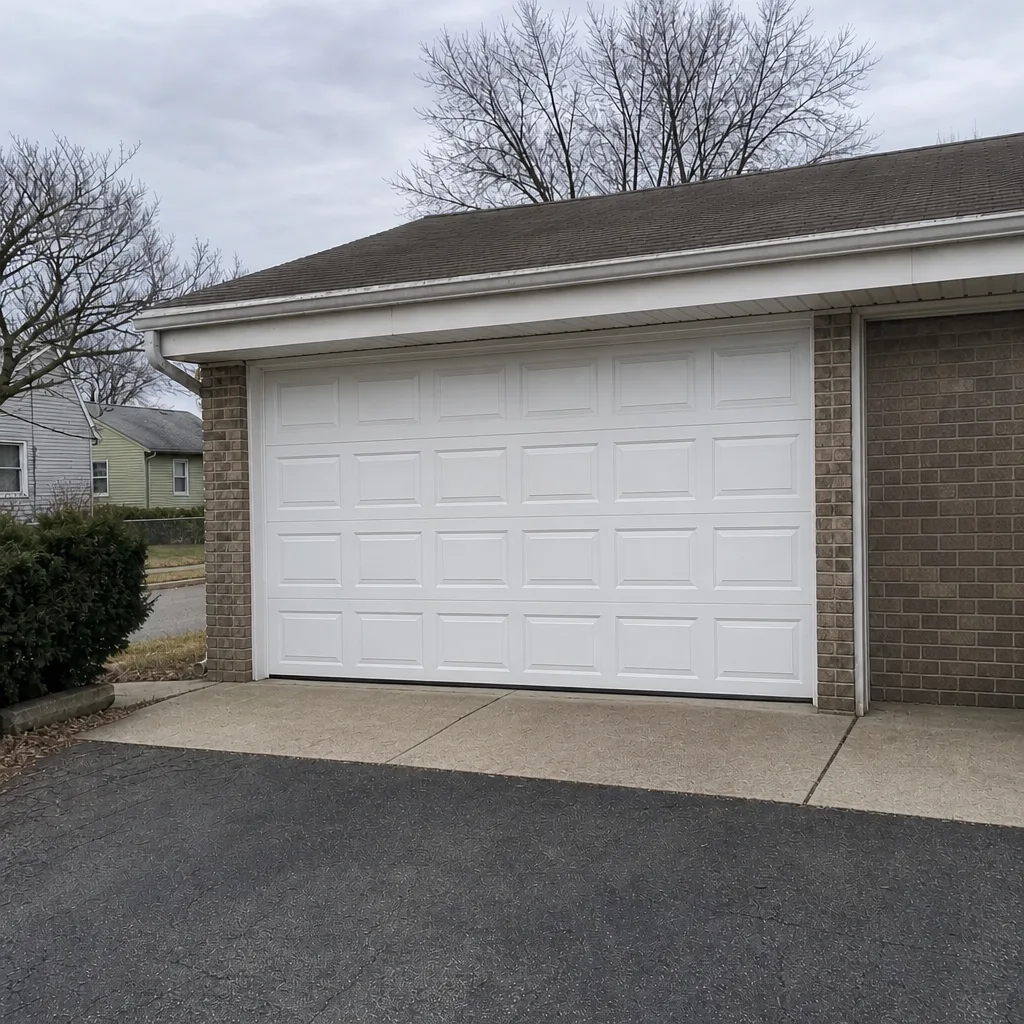
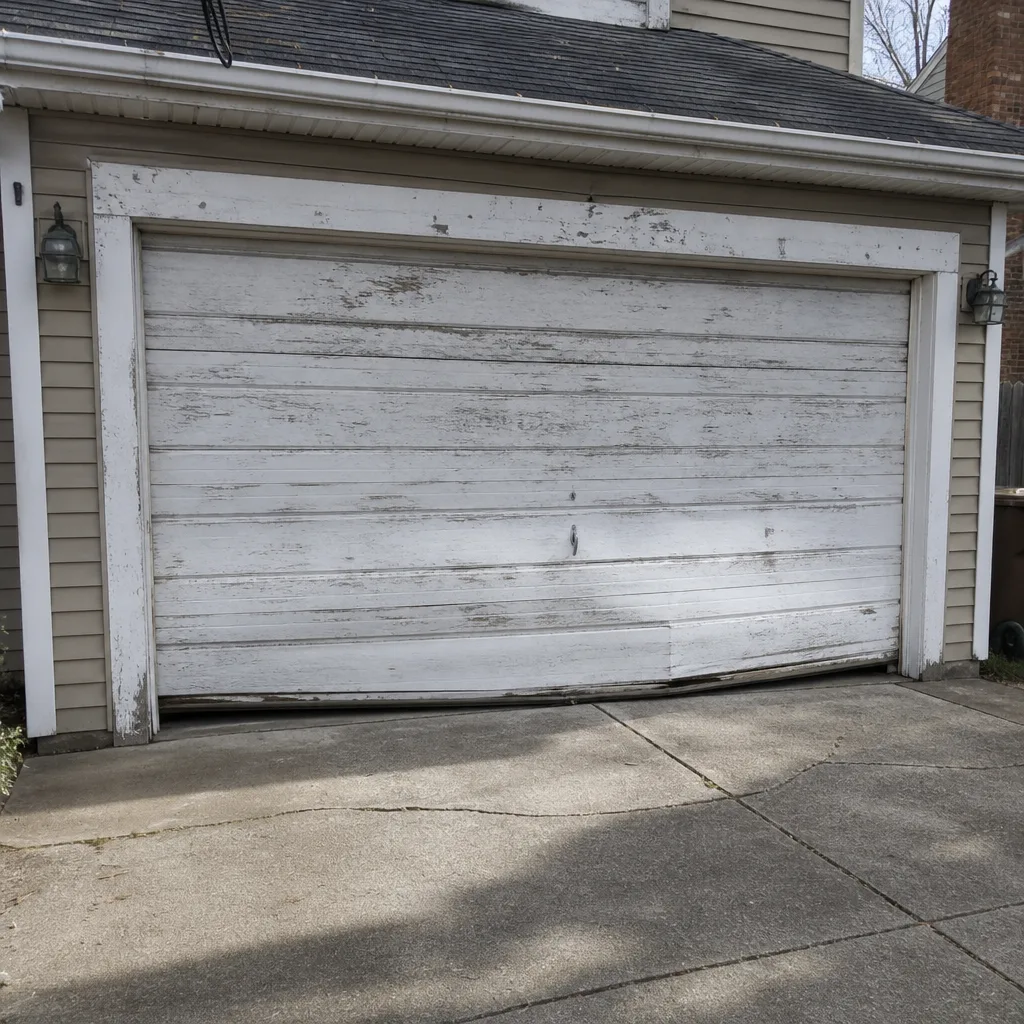
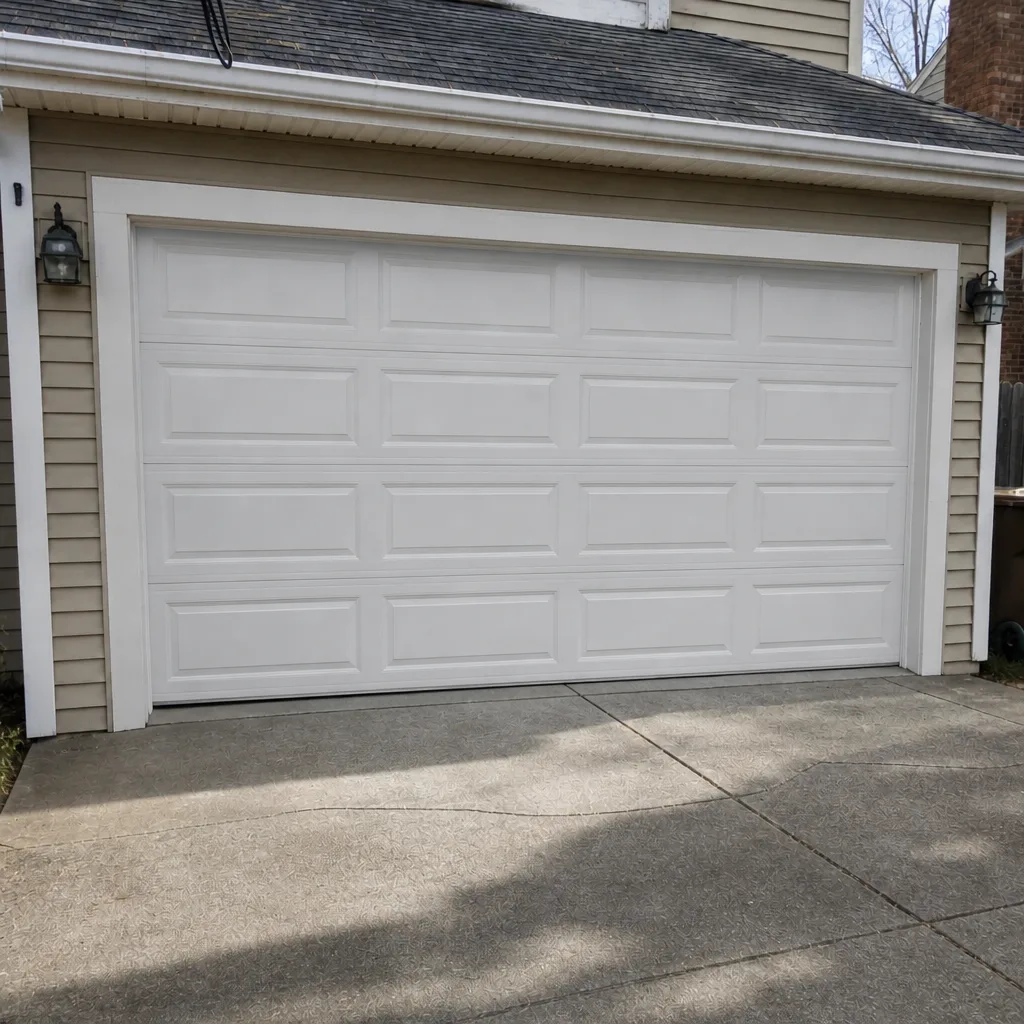
See the difference
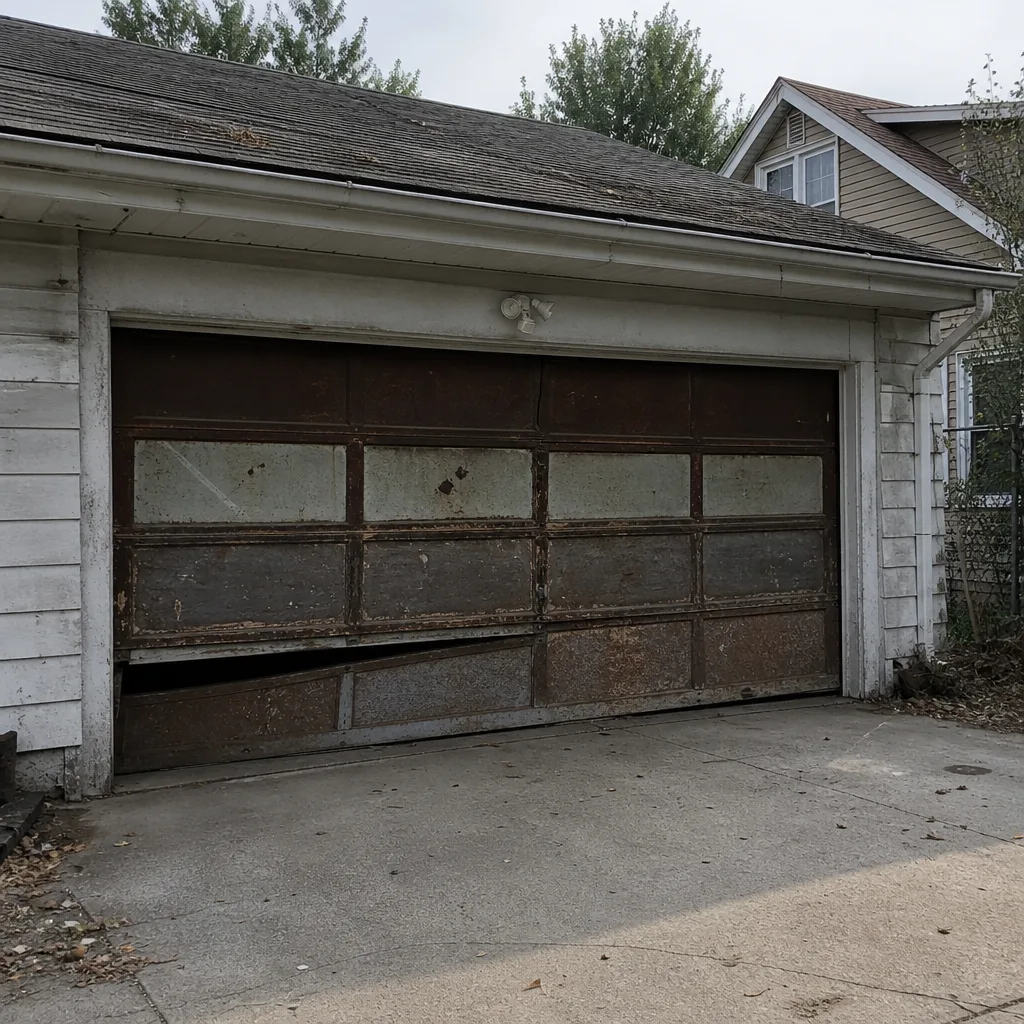 Before
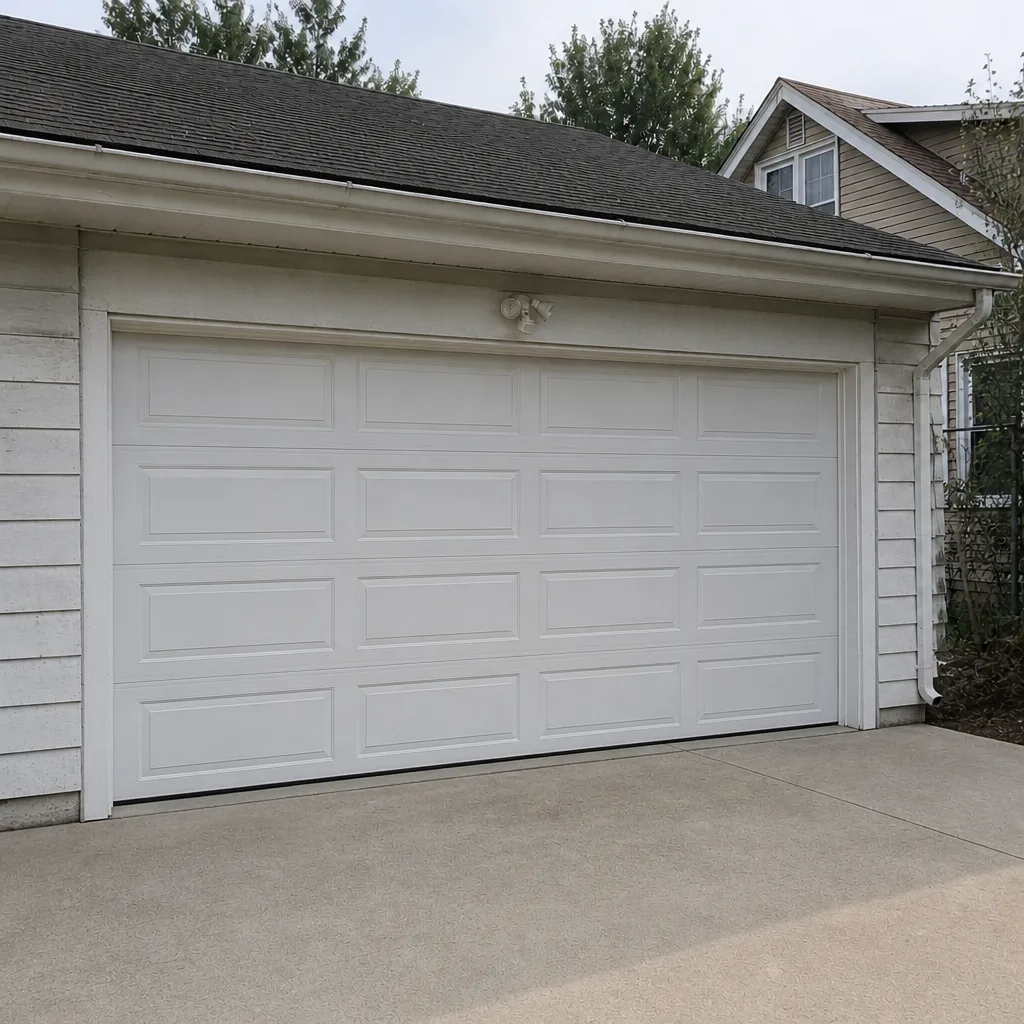 After
 Before
 After
 Before
 After
When to Call a Professional
Call us today if you’re seeing any of these: a snapped torsion or extension spring, a door that’s come off its track or is hanging unevenly, a cable with visible fraying or kinks, an opener that reverses without an obvious cause, or an opener that won’t respond to any input. Any of these can turn a repair into a much bigger job if left alone. Our technicians have up to 10 years of experience, and we’re set up for same-day service on failures that can’t wait. Garage Door Repair Trenton Pros offers free estimates in Trenton – call (833) 509-3463. The price is quoted and agreed before any work starts, so there are no surprises after the fact.
Frequently Asked Questions
Typical estimated costs fall in the $180-$350 range for a single spring, with a matched pair usually recommended together, so a pair runs closer to the $360-$700 range. That’s a general guide – the written estimate sets the final price, and we quote before any work begins. Call (833) 509-3463 for an exact quote – estimates are free.
Yes, we take same-day service calls when the door is unsafe or unusable. Our emergency garage door repair is designed for exactly that scenario: a broken spring, a door off its track, or an opener that’s failed completely. For installation or replacement work, we’ll schedule a time to measure the door and give you a written price. Call (833) 509-3463 and we’ll get you booked.
No. We quote and agree on the price before any work starts. The only time a number changes is if the technician discovers an additional issue that wasn’t visible initially – and in that case, we explain what we found and get your approval before proceeding. Call (833) 509-3463 to schedule a free estimate.
The local professionals we connect you with are licensed and insured as their state requires. We work on your brand, whether that’s a LiftMaster, Chamberlain, Clopay, Amarr, Wayne Dalton, Craftsman, or Raynor system, and we’re set up for both repair and full installation. Call (833) 509-3463 to schedule.
Yes. A broken spring, a binding hinge, or a misaligned track can all trigger a safety reversal. If the sensor lenses are clean and aligned and the door still reverses, that’s a mechanical fault worth a diagnostic. Call (833) 509-3463 for a same-day diagnostic.
Trenton’s older housing stock – wood-frame garage openings and original hardware – shifts with the seasonal swings. A door that was installed on a stable frame may now be rubbing against a shifted jamb, and older hinges and rollers may no longer match the door’s actual load. That’s why we check balance and frame alignment, not just the springs. Call (833) 509-3463 to book a free estimate.
The Bottom Line
Most garage door problems tell you what’s wrong before they fail. A grinding noise points to a roller, a reverse points to a spring or a track issue, and a slow door points to a balance or alignment problem. The trick is listening before the symptom gets expensive. Springs and cables are the components to check monthly and never touch yourself. Visual signs like a spring gap, cable fraying, or a door hanging crooked mean same-day service. Squeaks and rattles can wait for a scheduled visit. Know the difference, and you’ll catch most failures early. Our team at Garage Door Repair Trenton Pros is here when you need a diagnosis on your brand of door or opener – call (833) 509-3463 for a free estimate and a price quoted before any work starts.
Written by the team at Garage Door Repair Trenton Pros.