Last updated November 23, 2026
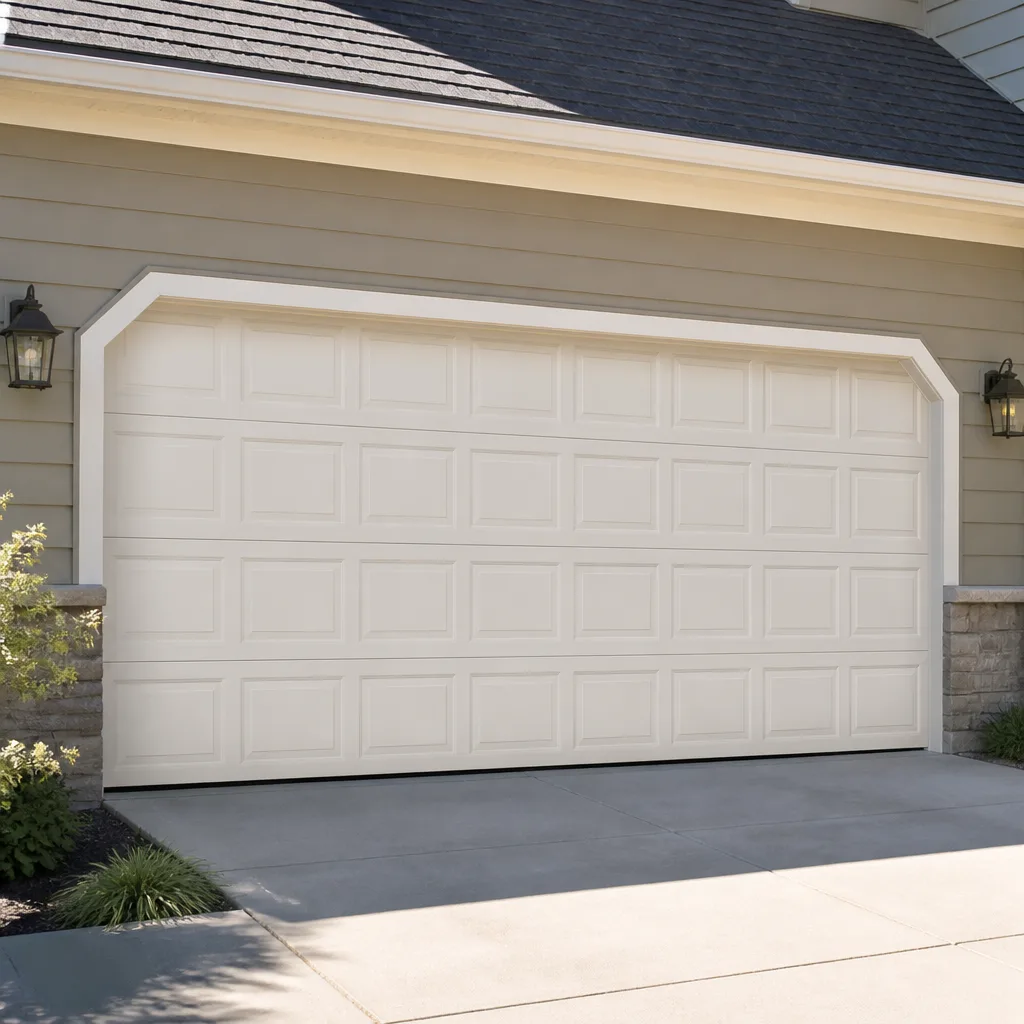 Raised-panel steel
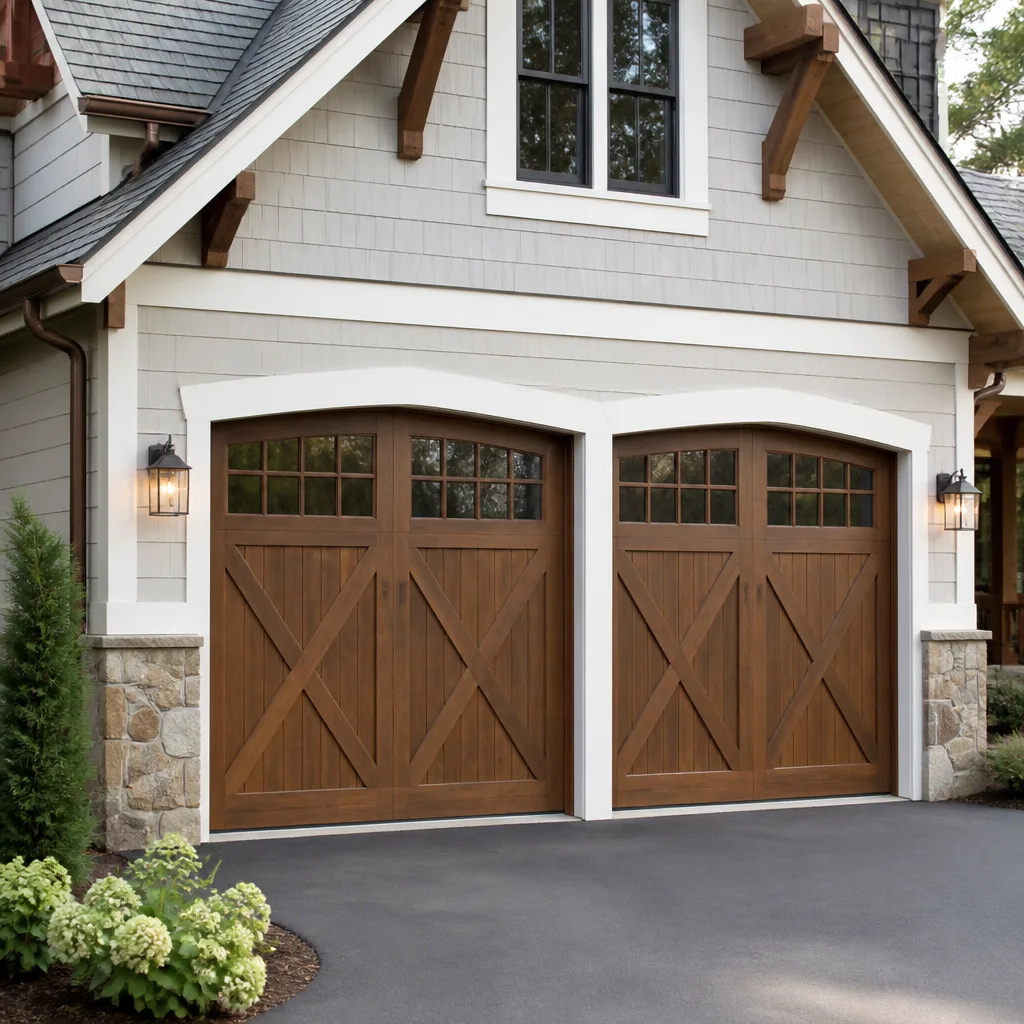 Carriage house
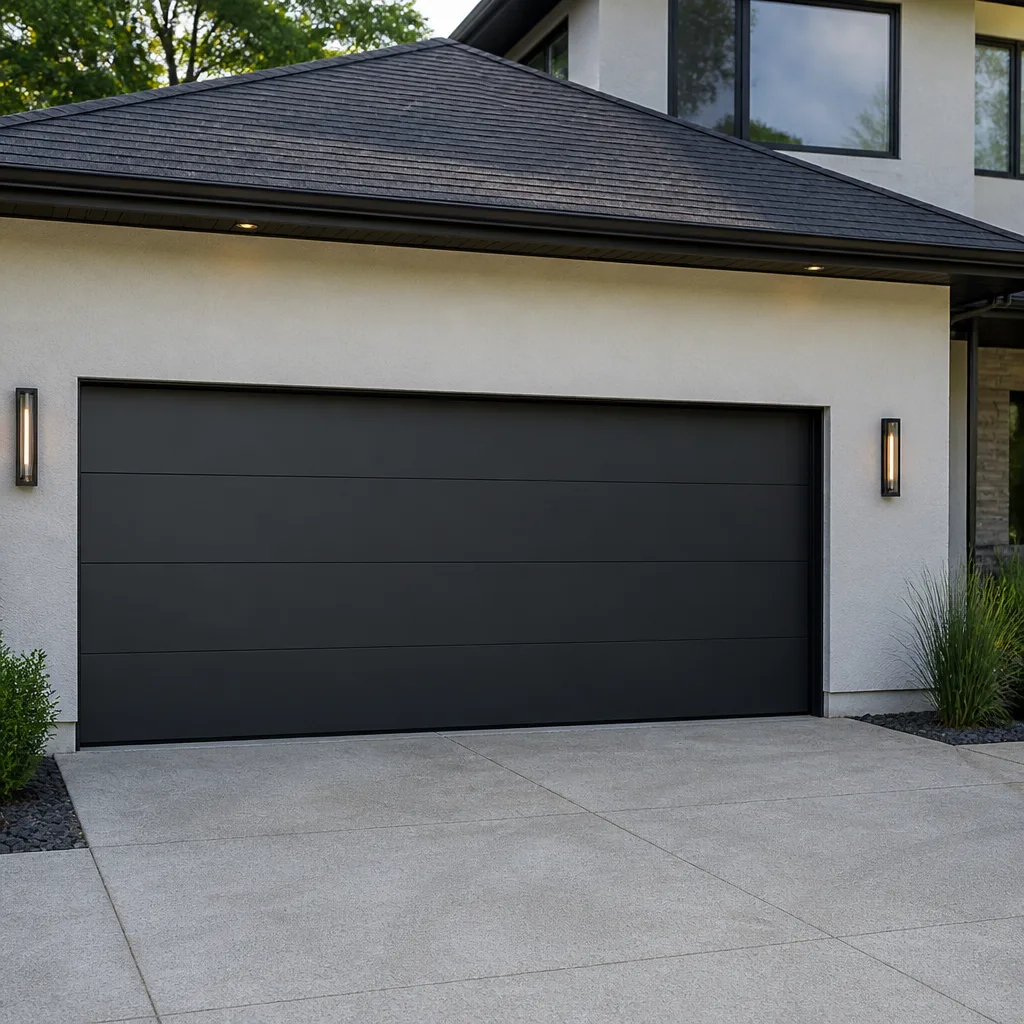 Modern flush
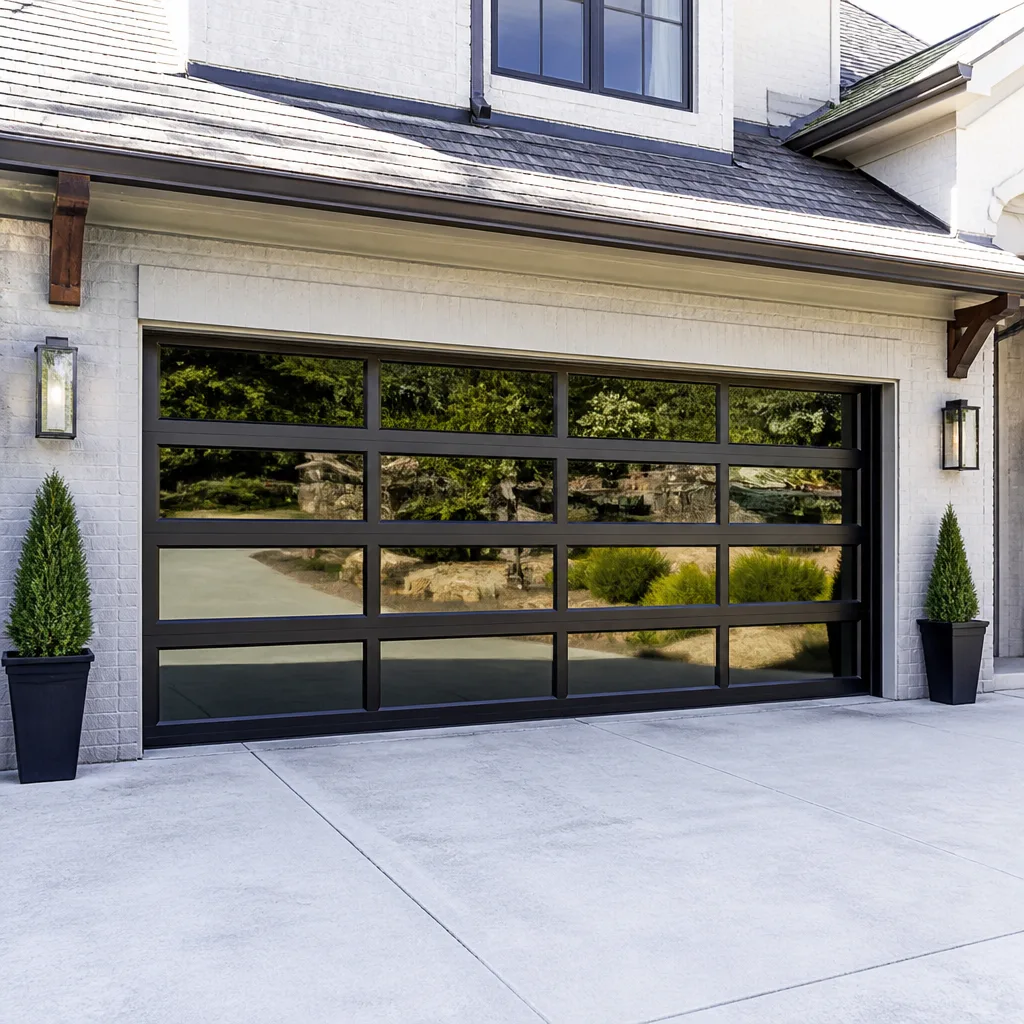 Full-view glass
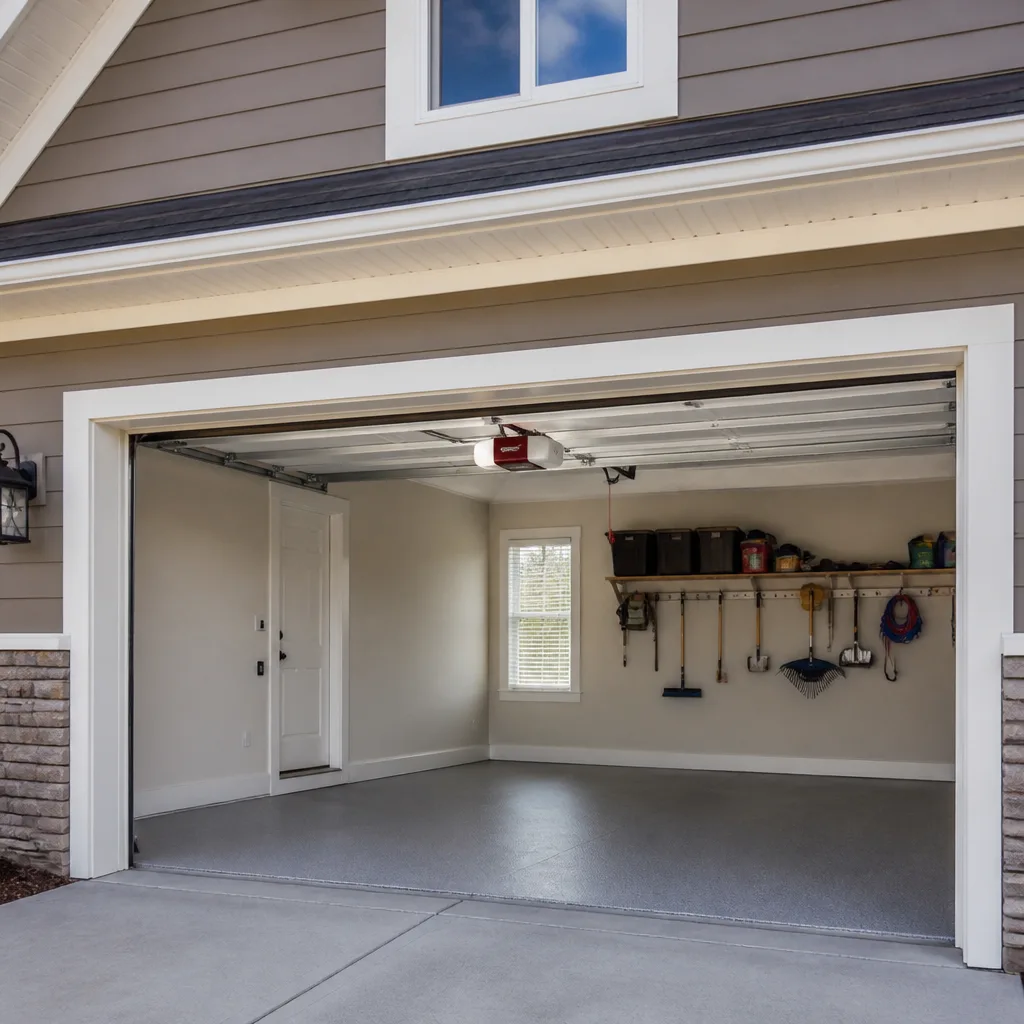 LiftMaster openers
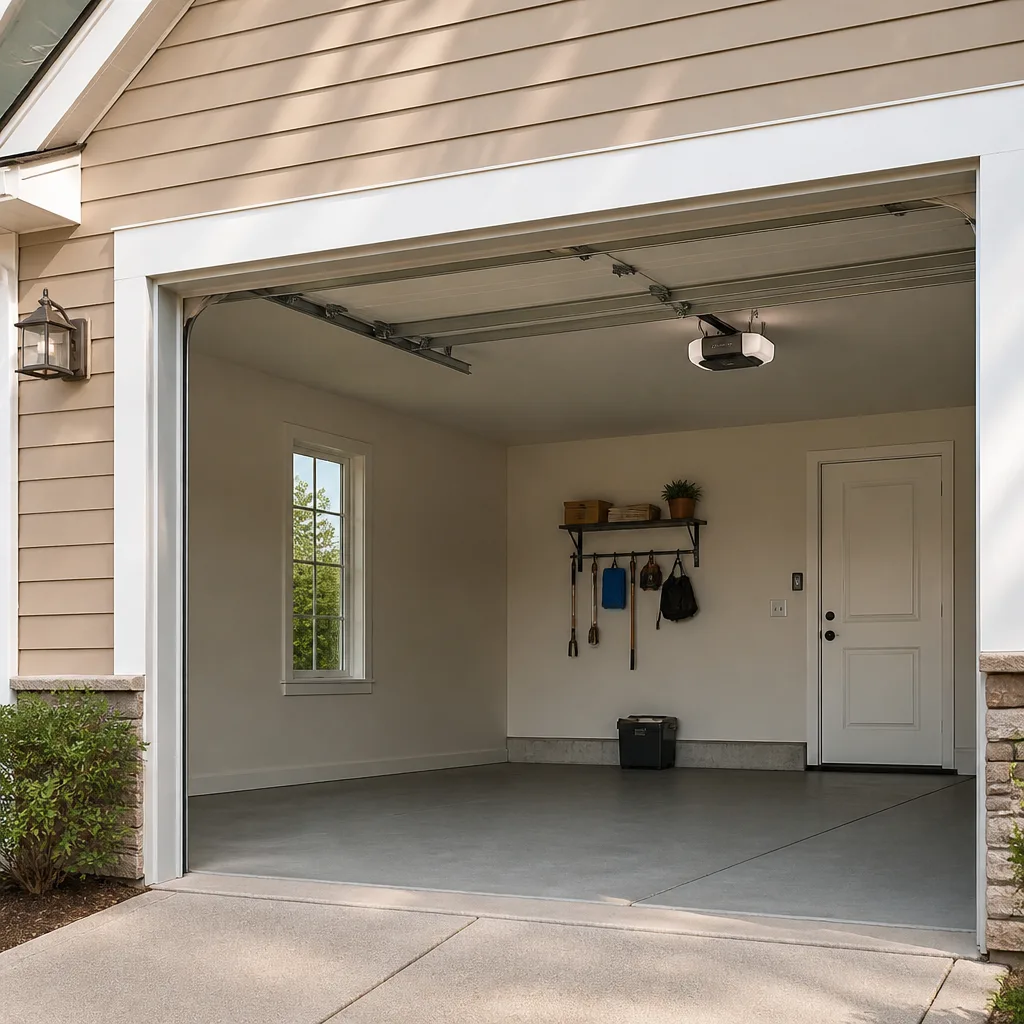 Chamberlain openers
Full 25-point door and opener safety check with every visit - springs, cables, rollers, tracks, and your LiftMaster or Chamberlain opener included
You get a price before we start. It does not change when the pro arrives.
Get your free estimateHow to Hire a Garage Door Contractor in Trenton: A Step-by-Step Guide
New Jersey does not require a specific garage door contractor license. Anyone holding a Home Improvement Contractor (HIC) registration can legally take your job, which means the burden of vetting technical competence falls entirely on you. That’s the uncomfortable truth behind hiring in this trade around Trenton: the field mixes genuine specialists with general handymen working from tutorials, and nothing on paper automatically separates them. A snapped torsion spring and a misdiagnosed opener are very different problems, and the person quoting you may not know the difference. This guide walks you through exactly what to verify, what to ask, and how to read an estimate, so you can tell a specialist from a generalist before anyone touches your door.
Quick Answer
To hire a garage door contractor in Trenton, verify the contractor’s NJ Home Improvement Contractor registration, ask for a certificate of liability insurance and proof of workers’ comp, and test their brand knowledge with specific questions about the equipment you own. Get a written, itemized estimate that separates parts from labor, confirm they’ve measured your opening, and never accept a verbal quote. A specialist will welcome this screening; a generalist will dodge it.
Styles & brands we work with
- Raised-panel steel
- Carriage house
- Modern flush
- Full-view glass
- LiftMaster openers
- Chamberlain openers
Table of Contents
- Why Trenton’s Garage Door Trade Sits in a Gray Zone
- What to Verify Before You Hire
- Brand-Specific Questions That Expose a Generalist
- Red Flags Unique to the Garage Door Trade
- How to Read a Written Estimate Line by Line
- Emergency vs. Scheduled Hire: Two Vetting Standards
- Trenton Climate and Housing: What It Means for Your Door
- The Safety Stakes: Why Springs and Tracks Aren’t DIY
Why Trenton’s Garage Door Trade Sits in a Gray Zone
Here’s the part most homeowners don’t learn until they’re already committed. New Jersey regulates home improvement contractors broadly, but it doesn’t issue a dedicated garage door license. There’s no state exam that proves someone understands torsion spring torque, cable tension, or the difference between a belt-drive and a chain-drive opener. A contractor with an HIC registration can legally take on your spring replacement, your opener diagnostic, and your full door install, whether or not they’ve ever done one.
That gray zone matters in Trenton for a few reasons. The city’s housing stock is old and varied, and garage doors here span decades of styles, from Wayne Dalton doors on mid-century homes to newer Amarr steel doors on recent builds. A generalist who’s comfortable with one system may be lost on another. Torsion springs, extension springs, and the modern opener systems that drive them each have their own failure patterns and their own correct repair methods.
What separates a specialist from a generalist isn’t a certificate. It’s the questions they ask and the way they scope the job. A specialist wants to know your door’s weight, its width and height, the spring type, and the opener model before quoting. A generalist quotes a number over the phone and figures out the rest on arrival. Your job, in hiring, is to force that distinction before you sign anything.
This doesn’t mean HIC registration is meaningless. It’s the starting line, not the finish. The registration confirms a contractor is on record with the state, but it says nothing about whether they’ve replaced a torsion spring before. Below, we lay out the verification steps and the technical questions that fill that gap.
What to Verify Before You Hire
Verification is a short, concrete process. Do it before the contractor arrives, not after. Here are the steps in order.
- Look up the NJ HIC registration number. Ask for the number and confirm it against the state’s Home Improvement Contractor database. A legitimate contractor gives it without hesitation. If the number is missing, expired, or belongs to a different business name, walk away.
- Request a certificate of liability insurance. Not a verbal assurance, not a business card that says “fully insured.” Ask for the actual certificate showing current coverage and the contractor’s business name. Liability coverage protects your property if something is damaged during the job.
- Confirm workers’ comp coverage. Ask specifically whether technicians on-site are covered by workers’ comp. If someone is injured on your property and the contractor has no coverage, the exposure can land on you. Ask for the policy confirmation, not a promise.
- Check that the business name matches everywhere. The name on the estimate, the HIC registration, and the insurance certificate should all be the same entity. Mismatches are a sign of a loosely run operation.
- Ask what happens if the job goes wrong. A contractor who can describe their process for handling a damaged panel, a door that doesn’t seal, or a call-back is signaling they’ve done enough jobs to have a process.
None of this is unreasonable, and any contractor who screens well for garage door work around Trenton will expect it. If a contractor bristles at being asked for insurance documentation, that reaction is your answer. The vetting burden is on you because the state doesn’t carry it for you.
Brand-Specific Questions That Expose a Generalist
This is where the real screening happens. A contractor who actually works on garage door systems can talk about specific equipment the way a mechanic talks about engines. A generalist talks in generalities. Your job is to ask questions that require specific, brand-level knowledge, and then listen.
Start with your own equipment. Look at the opener and the door, note the brand and model, and ask the contractor directly: “Have you worked on this model?” Then push further with technical questions that a true specialist answers easily and a generalist can’t fake.
- Openers: Ask how a Chamberlain C4 differs from a LiftMaster 8500W in installation and setup. One is a conventional rail-drive unit; the other is a jackshaft design that mounts on the wall beside the door and suits certain clearance situations. A specialist knows this immediately.
- Smart openers: Ask how they diagnose a Wi-Fi opener that’s dropping its app connection. Connectivity failures in LiftMaster, Chamberlain, Genie, and Craftsman systems often trace to setup, firmware, or signal issues rather than the motor itself, and that distinction separates someone who understands modern openers from someone who only knows mechanical units.
- Doors: Ask about the differences between steel doors from Clopay and Amarr in terms of construction and how each handles a dented panel. A specialist can speak to how the panels are built and whether replacement or repair is realistic.
- Springs: Ask whether your door uses a torsion spring or extension springs, and how they size a replacement. If the answer is vague, they haven’t done enough spring work to trust with yours.
You don’t need to know the answers yourself. You’re gauging whether the contractor does. A specialist will often correct your framing, explain the model differences, and tell you what they’d check first. For deeper guidance on any of these systems, see our overview of Garage Door Repair Trenton Pros and how we approach each job. The best signal of all: a contractor who diagnoses before recommending, rather than quoting a fix before they’ve asked a single question about your equipment.
Red Flags Unique to the Garage Door Trade
Some warning signs are universal to any home service. Others are specific to garage doors, where the technical stakes and the cost of a bad call are higher than they look. Watch for these.
- A quote given without measuring the opening. A door that isn’t measured is a door that won’t fit or won’t seal, and a contractor who skips this step hasn’t done enough installs to know why it matters. Any real replacement or repair estimate should start with the width, height, and structure of the opening.
- Refusal to itemize parts versus labor. A quote that lumps everything into one number hides the cost of the parts and makes it impossible to know what you’re paying for. Ask for a breakdown; a legitimate contractor provides one.
- Pressure to replace when repair is offered as an option. A door that can be repaired is a door that doesn’t need replacing. If a contractor won’t offer repair as an alternative, ask why, and get a second opinion before committing to a full replacement.
- Vague language in the estimate. Words like “hardware” and “misc parts” are where costs hide. Ask exactly what hardware means: hinges, rollers, brackets, fasteners? A reputable contractor will list them.
- Quoting springs without asking about the door. Spring replacement depends on the door’s weight and dimensions. A contractor who names a spring price before knowing the door hasn’t sized the spring.
- No discussion of the opener. A new door is heavier or lighter than the old one, which changes what the opener has to do. A contractor who doesn’t raise this is skipping a step that catches real problems later.
We’ve seen this play out across Trenton neighborhoods, from the older streets near the waterfront to the newer homes out toward the suburbs. The pattern holds: the estimate tells you as much about the contractor as the answer does. For an item-by-item look at what a proper written quote for a repair should contain, see our dedicated page on garage door repair.
How to Read a Written Estimate Line by Line
A well-written estimate is your best protection against a surprise invoice. Read it carefully before you sign, and check that every line item below is present and specific.
- Parts, listed by type and quantity. Springs, cables, rollers, hinges, and any opener components should each appear by name, not bundled under “hardware.” Note whether a single spring or a matched pair is quoted; a torsion setup usually replaces both.
- Labor, itemized separately. You should see what the work itself costs, distinct from the parts. Bundled pricing is fine if the breakdown is available on request, but a quote that never separates them is a warning.
- Door measurements. Width, height, and track configuration confirm the contractor measured before quoting.
- Diagnostic findings. If the problem is an opener, the estimate should state what was found, not just what will be replaced. A good contractor writes down the fault they identified.
- Clear language. No “as needed,” no “additional components as required,” no open-ended wording. If terms are unclear, ask for them to be reworded on paper.
A vague estimate is a quote with an escape hatch. “Misc parts” is where a repair starts at one price and finishes at another. “Hardware” can mean a $3 roller or a full hinge replacement, and without the line item you won’t know which you’ve bought. The rule to remember is simple: if the estimate itemizes, you’ll have the information you need to agree a fair price, and if it doesn’t, ask for it to be broken out before any work begins. The written estimate sets the price, not a phone call and not a verbal promise. Any legitimate contractor in Trenton should be able to put the parts and labor on paper before the job starts, and should be comfortable with you asking for that before you agree.
Emergency vs. Scheduled Hire: Two Vetting Standards
When your garage door is stuck open, the calculation changes. A door that won’t close leaves your home exposed, and a door that’s jumped a track or snapped a spring may be unsafe to use at all. In that moment, you’re not vetting at your leisure; you’re making a fast decision under pressure. But the non-negotiables don’t move.
What you can push on during an emergency and what you can’t:
- Still request the HIC registration and insurance. A contractor who can’t provide these under time pressure still can’t be trusted with the job, and a real specialist carries documentation as part of doing business.
- Ask them to diagnose before they fix. Even during an emergency, a specialist explains what failed and why before replacing it. A “replace everything” answer that skips the diagnosis is a red flag even at midnight.
- Ask for the written estimate before work starts. It should still exist, even in compressed form. The number you agree to is the number that stands.
- Get the urgency question answered directly. Ask whether the failure is something that can be made safe immediately and fully repaired later, or whether it’s safe to touch at all.
For a scheduled replacement next month, you have room to do this right. Get two estimates, compare line items, and ask the brand questions at your pace. For an emergency, the same screening applies, just faster. Our standalone garage door opener repair page walks through the most common failure modes so you can describe the problem precisely when you call, which helps the technician arrive prepared. And if it’s the spring, treat it as the highest-risk scenario: they break with force and a door can drop.
Trenton Climate and Housing: What It Means for Your Door
Garage doors in Trenton live with real seasonal swings. Summers are humid, winters bring freezing nights and thaws, and the transition months are where most of the wear shows up. That cycle puts steady demand on the moving parts: metal expands and contracts, lubrication thins in the cold, and the springs that counterbalance the door take constant load. A door that grinds or sticks on one side in January is often telling you something is out of balance, and that condition will keep eating at the hardware until it’s addressed.
The housing stock adds its own wrinkle. Trenton neighborhoods range from older homes with the original door framing to newer builds with updated systems, and the two need different approaches. An older opening may need shimming or track adjustment that a newer one doesn’t, and a contractor who hasn’t worked across that range is more likely to quote a “fix” that doesn’t hold. When you ask how long a repair should last, a specialist gives you an honest expected lifespan and tells you what could shorten it.
This is also why local experience, rather than just technical skill, matters. A contractor who works regularly in and around Trenton understands the door types they’ll meet and the seasonal conditions the hardware has to survive, and can recommend parts and adjustments that hold up through the local cycle. There’s a reason so many of our own spring and cable jobs come down to wear patterns that repeat across the area. If you’re comparing contractors from out of the area, ask how familiar they are with the doors and conditions here, and whether they can describe what typically fails first in this climate. A specialist will answer with specifics; a generalist will offer the same generic list they give anywhere.
The Safety Stakes: Why Springs and Tracks Aren’t DIY
This is the part of hiring that gets skipped in most guides, and it shouldn’t be. The springs and cables in a garage door system are under heavy continuous tension. They hold the door’s weight so your opener and your arm don’t have to. When a spring fails, it can release that stored force suddenly, and the result can be serious injury to anyone in the way. The same is true of the cables that run alongside the springs.
That’s why we treat spring repair as its own specialty rather than as one entry in a general repair list. It’s the highest-risk component in the system, and it’s also one of the most commonly mishandled by contractors who aren’t specialists. A trained professional understands how to relieve tension safely, how to size a replacement correctly, and which parts fail together. For an in-depth look at how this work is handled safely, our garage door spring repair page covers it in detail.
The same care applies to the tracks, cables, and the door’s balance. A door that’s off-balance or has a damaged cable should not be operated while you’re waiting for a repair. Don’t attempt to adjust or remove springs or cables yourself, no matter how straightforward it looks in a video. The tension is real and it’s not a risk to bet on. When you’re vetting a contractor, this is a useful conversation: a specialist will talk openly about the safety precautions they take, and will flag anything in the system that makes the job a risk to handle. A contractor who treats it lightly is telling you something worth hearing.
Common Mistakes to Avoid
- Hiring on price alone. The lowest quote in Trenton is often the one that hides costs or skips diagnosis. Compare line items, not just totals. A slightly higher estimate that itemizes every part and piece of labor is worth more than a bare number.
- Accepting a verbal quote. If it isn’t written down, it isn’t a quote. Ask for the itemized estimate in writing and agree to it before work starts. The written estimate is the price.
- Skipping the insurance and workers’ comp check. A good contractor won’t mind being asked for documentation. A contractor who can’t produce it is a risk you don’t need.
- Not asking about your specific equipment. If you’re in an older Trenton home with a Wayne Dalton or Craftsman system, ask whether the contractor has worked on it. General familiarity isn’t the same as model familiarity.
- Letting a generalist replace a spring. Springs are the most dangerous part of the system. Ask whether spring work is a specialty, not a sideline, and expect a concrete answer.
- Replacing a door that could be repaired. If a contractor offers only replacement, get a second opinion. Repair is often the right answer, and a specialist will say so.
- Ignoring the opener when the door changes. A new door changes the load the opener handles. A quote that doesn’t account for that is incomplete, regardless of the price.
See the difference
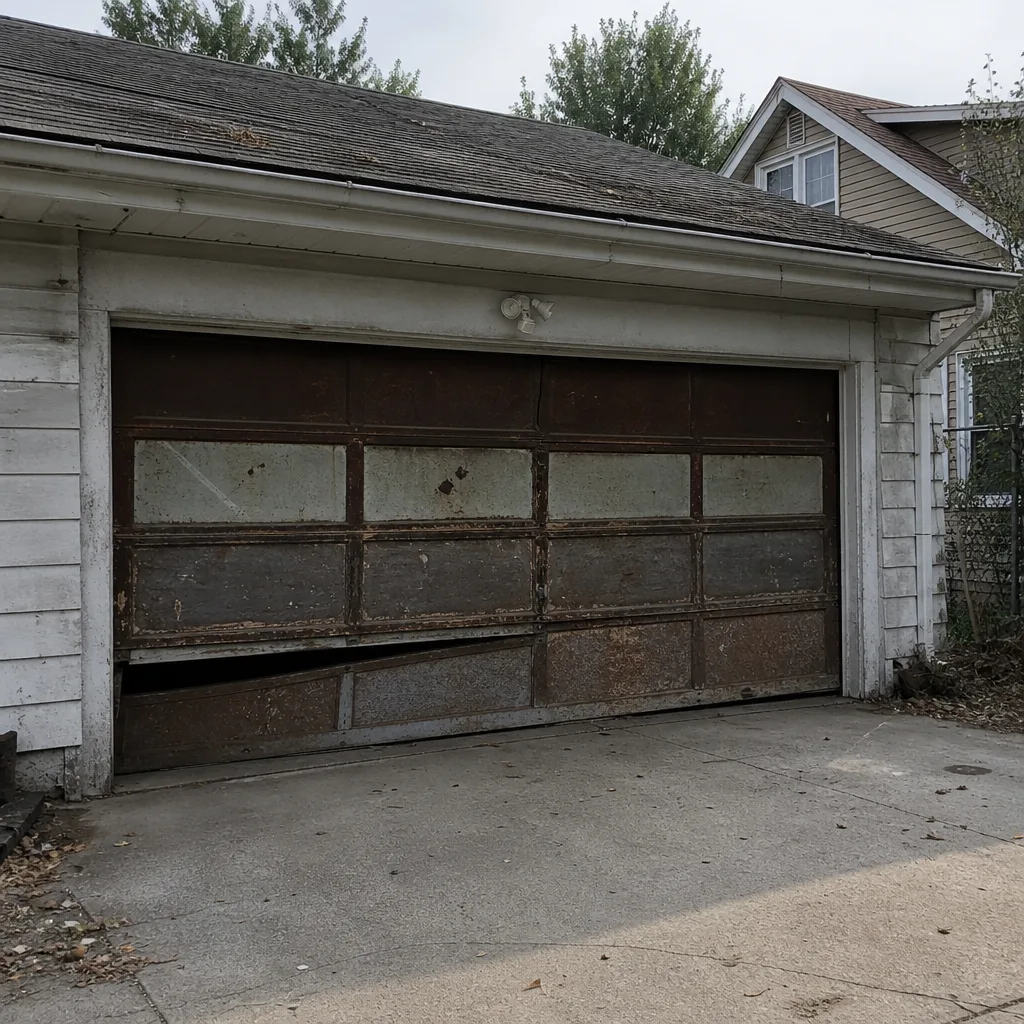 Before
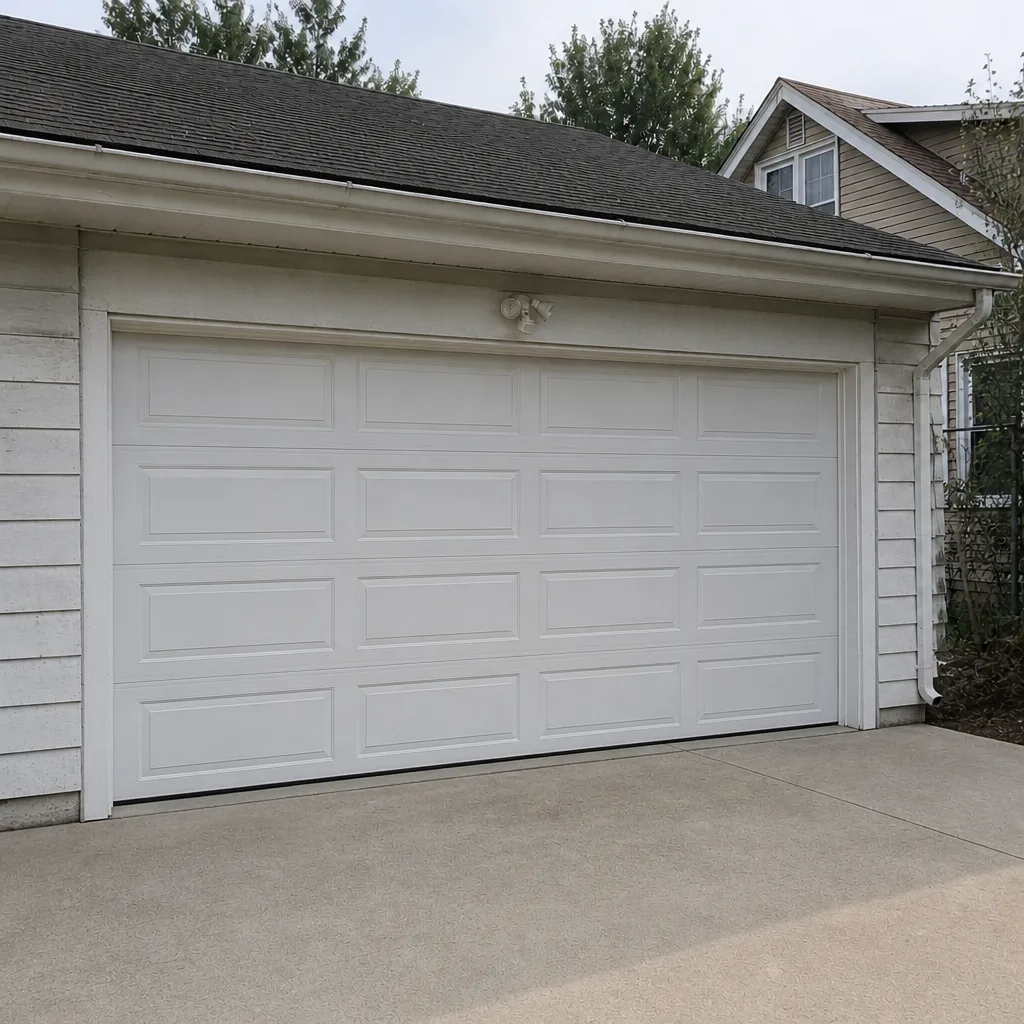 After
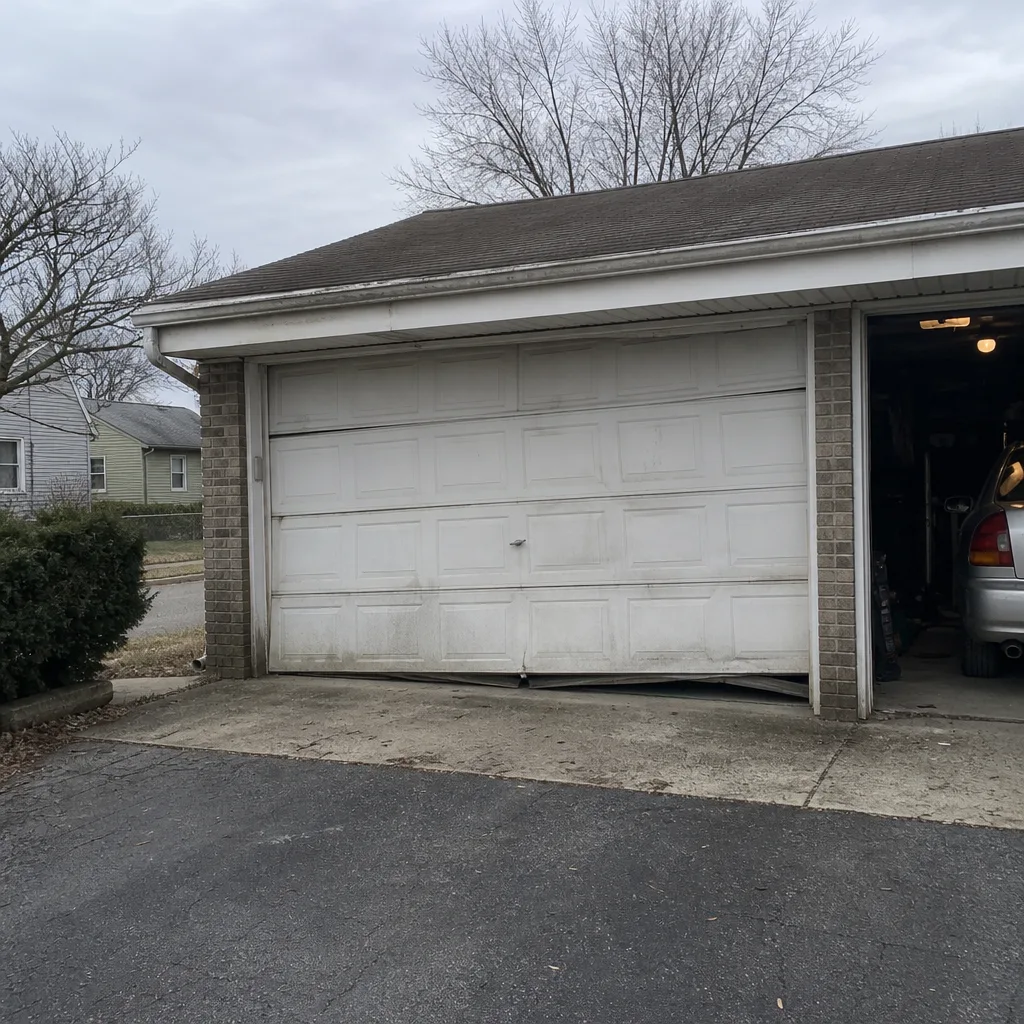 Before
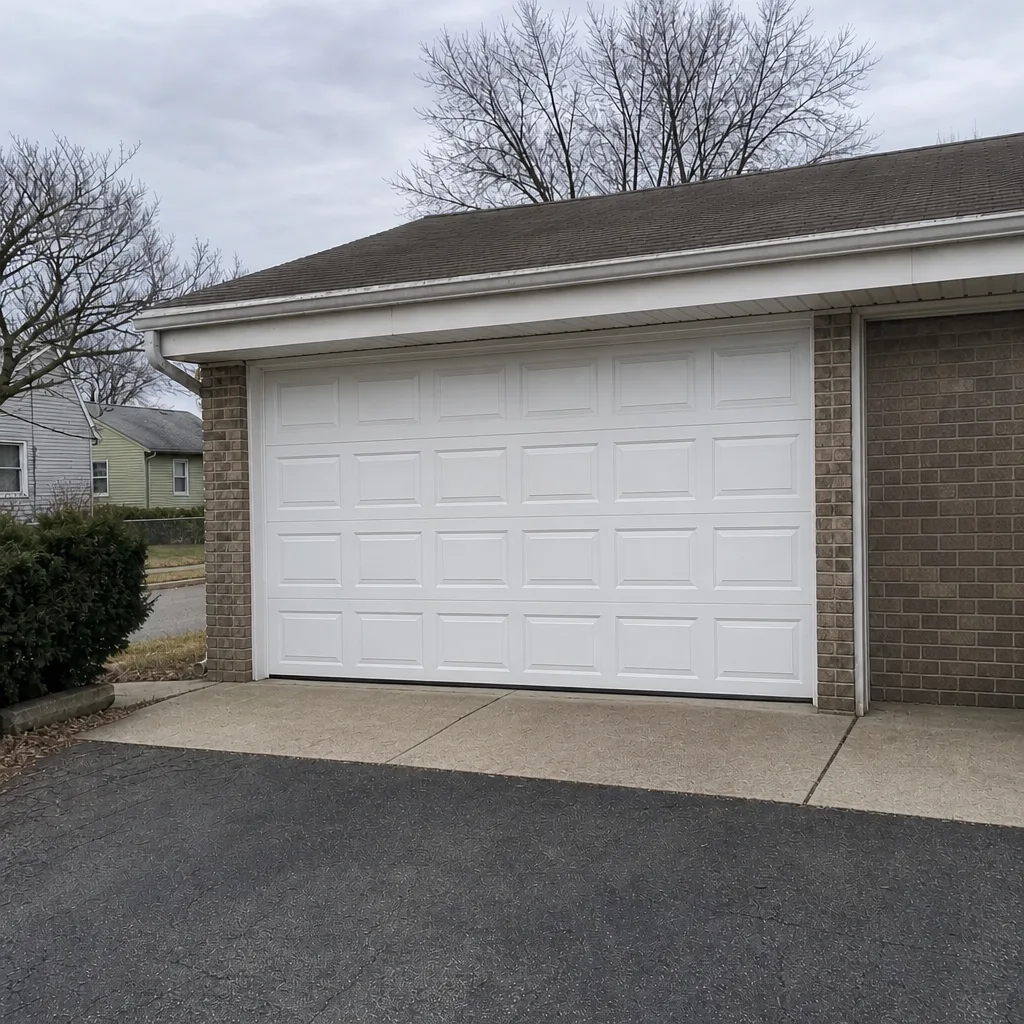 After
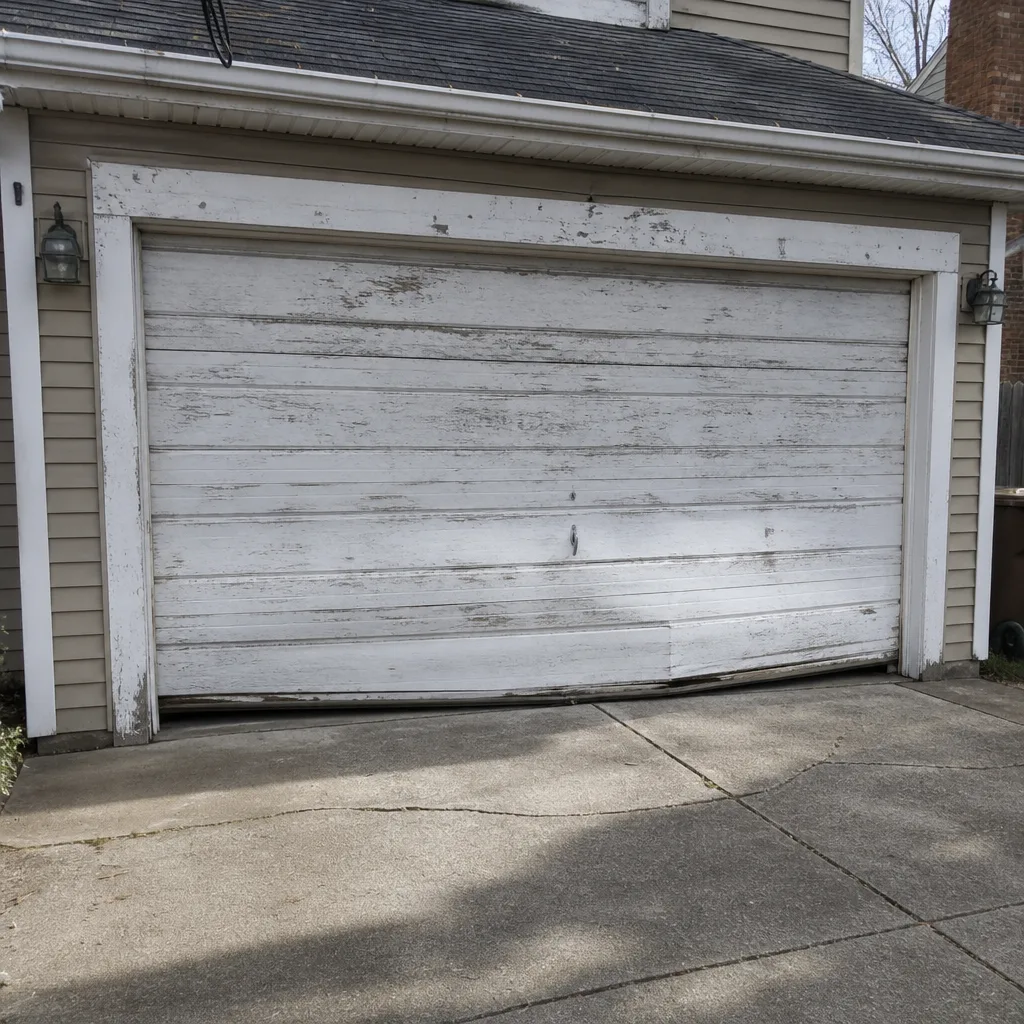 Before
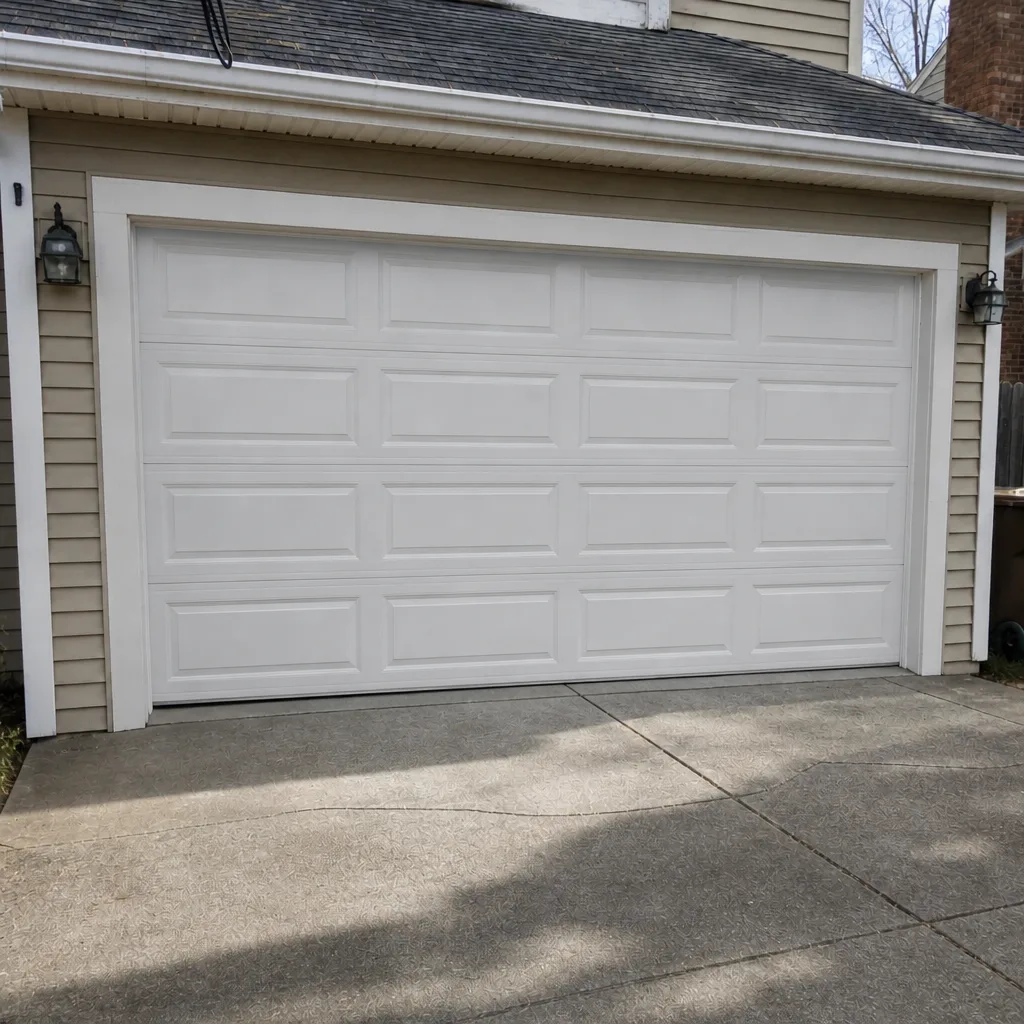 After
When to Call a Professional
Call a professional when a door won’t open or close smoothly, when it’s off its track, when you hear grinding or snapping, or when a spring is visibly broken. Also call if the opener won’t respond, the door reverses unpredictably, or its balance has changed. Any of these can point to a problem that’s unsafe to run and hard to diagnose without proper equipment. If you’re unsure whether something is a repair or a full replacement, that’s the right time to get an expert opinion too. Garage Door Repair Trenton Pros offers free estimates in Trenton. Call (833) 509-3463 and we’ll diagnose first, then recommend, and quote the cost to fix it before any work starts.
Frequently Asked Questions
New Jersey does not issue a dedicated garage door contractor license, so the contractor’s Home Improvement Contractor (HIC) registration and their insurance documents are the main official markers to verify. A registration alone doesn’t prove technical skill, so combine it with the brand-specific questions and estimate review in this guide. For an exact quote on your job, call (833) 509-3463; estimates are free.
Spring work is priced per job and depends on the door’s size and spring type, so the written estimate is where the number is set. Expect the quote to list the spring or matched pair, labor, and any related hardware separately. Call (833) 509-3463 for an accurate quote before you commit.
Ask for their HIC registration number and insurance certificate, then ask how many times they’ve worked on your specific door and opener brand. Ask them to itemize parts and labor in writing and to explain what they’ll check first before recommending a repair. A specialist answers all of this readily; a generalist avoids it.
Yes, a handyman with an HIC registration can legally accept a garage door job in New Jersey, which is exactly why careful vetting matters. The question isn’t whether they can legally take it on, but whether they have the specialist knowledge to do it safely. Springs and cables carry serious injury risk, so ask directly about that experience.
Emergency hires compress the timeline but not the standards: ask for registration, insurance, and a diagnosis before work begins, even when the door is stuck open. Scheduled hires allow time to compare multiple written estimates and check brand experience in advance. Either way, agree the itemized estimate before anyone starts.
A properly matched and installed repair should hold through the seasonal swings and temperature changes typical of the area. How long it lasts depends on part quality, correct sizing, and staying on top of balance and lubrication. Ask the contractor to tell you the expected lifespan for the specific parts used, and call (833) 509-3463 with any follow-up questions.
The Bottom Line
Hiring a garage door contractor in Trenton isn’t hard, but it does take a few deliberate steps. Verify the HIC registration and both insurance documents. Test brand knowledge with specific questions about the equipment you own, like the difference between a Chamberlain C4 and a LiftMaster 8500W. Demand an itemized written estimate, and treat vague terms like “hardware” and “misc parts” as grounds to ask for a breakdown. Treat spring work as the highest-risk part of the job and screen for a specialist. Whether you’re planning a replacement next month or dealing with a stuck door tonight, the same standards apply. If a contractor scores well across all of it, you’ve found a keeper.
If you’re ready to get your door assessed, Garage Door Repair Trenton Pros can help. We work on your brand across LiftMaster, Chamberlain, Genie, Clopay, Amarr, Wayne Dalton, Craftsman, and Raynor, and we diagnose first, then recommend. Call (833) 509-3463 for a free estimate, and we’ll walk you through the repair or replacement, quote the cost, and agree it with you before we start.
Written by the team at Garage Door Repair Trenton Pros.