Last updated November 23, 2026
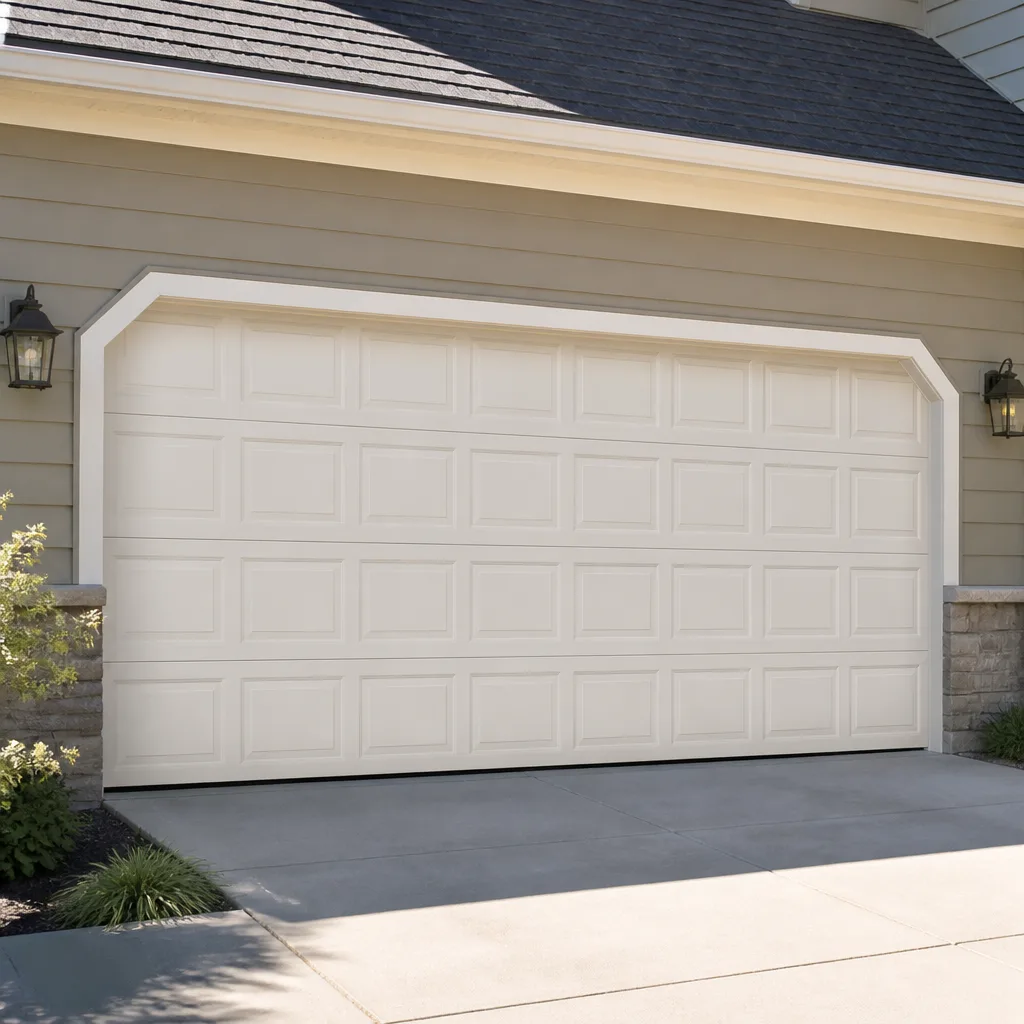 Raised-panel steel
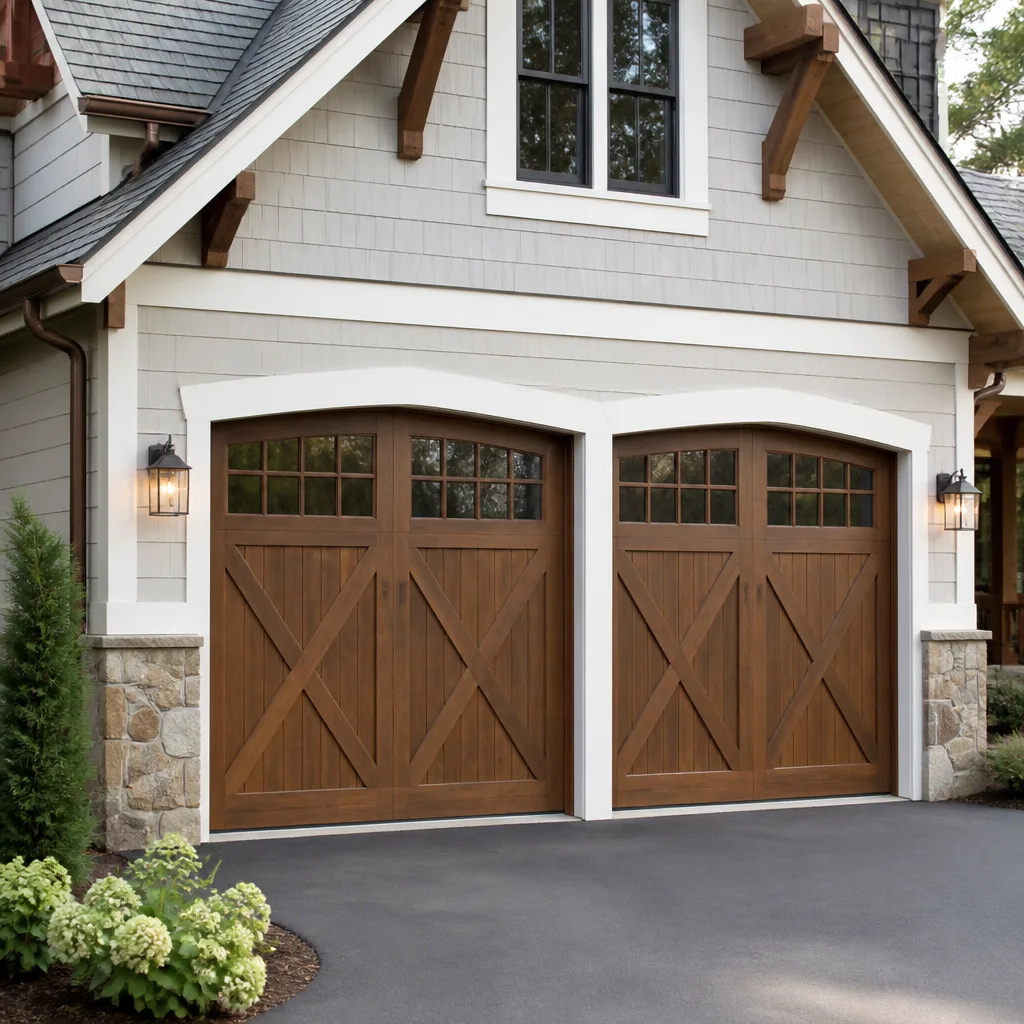 Carriage house
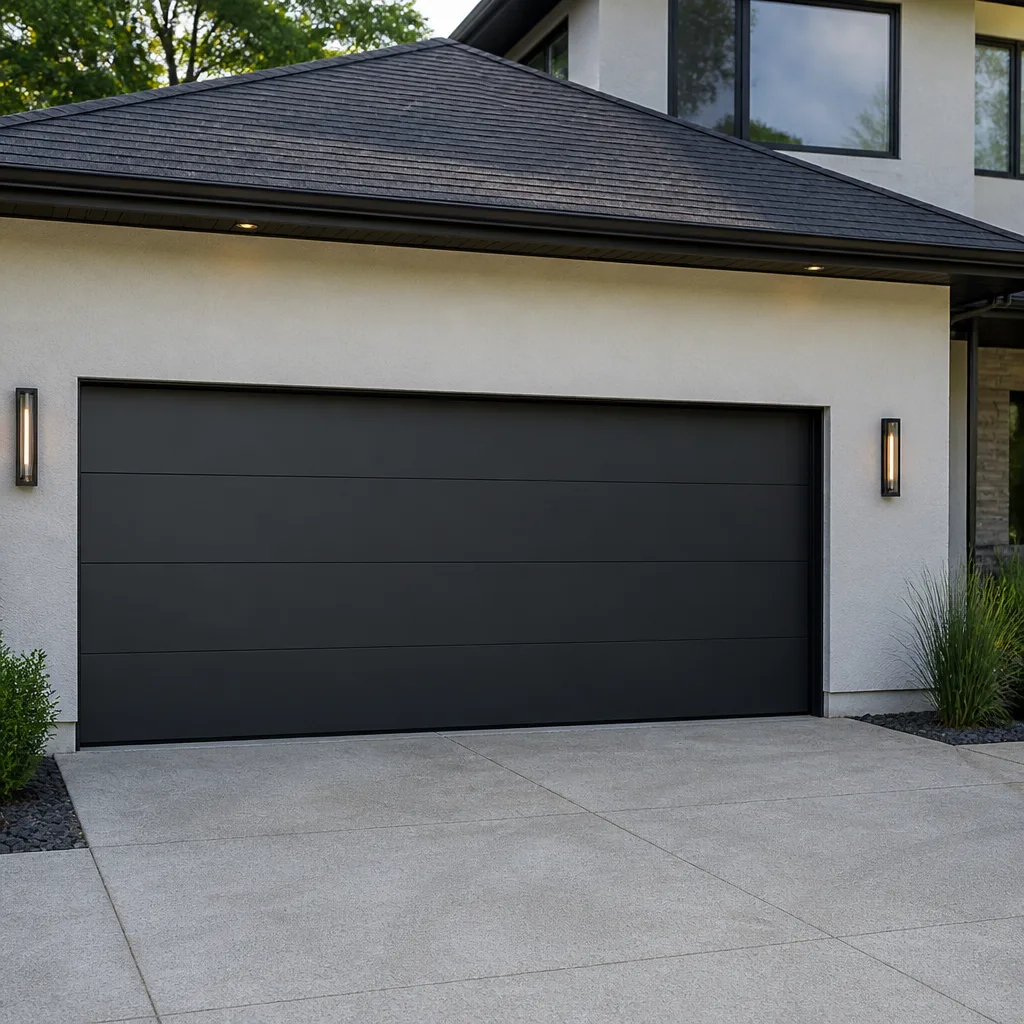 Modern flush
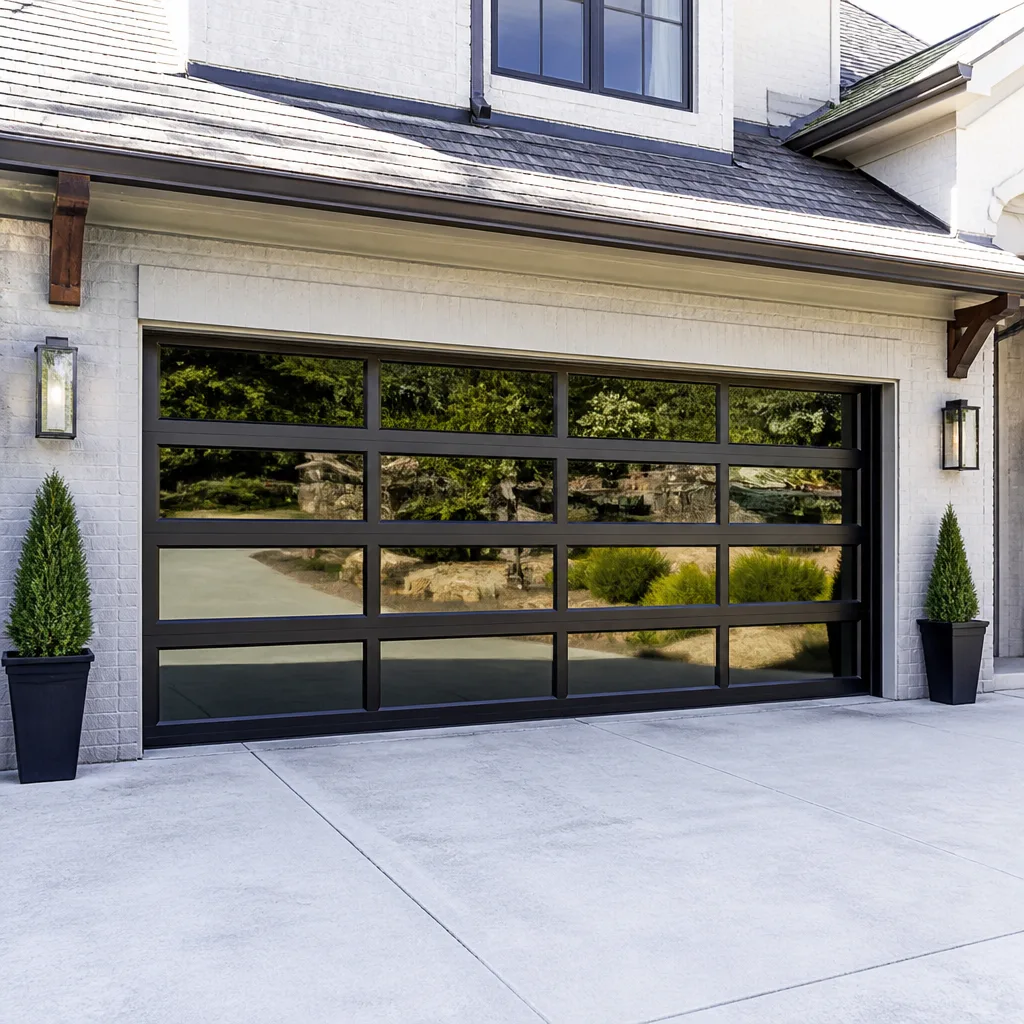 Full-view glass
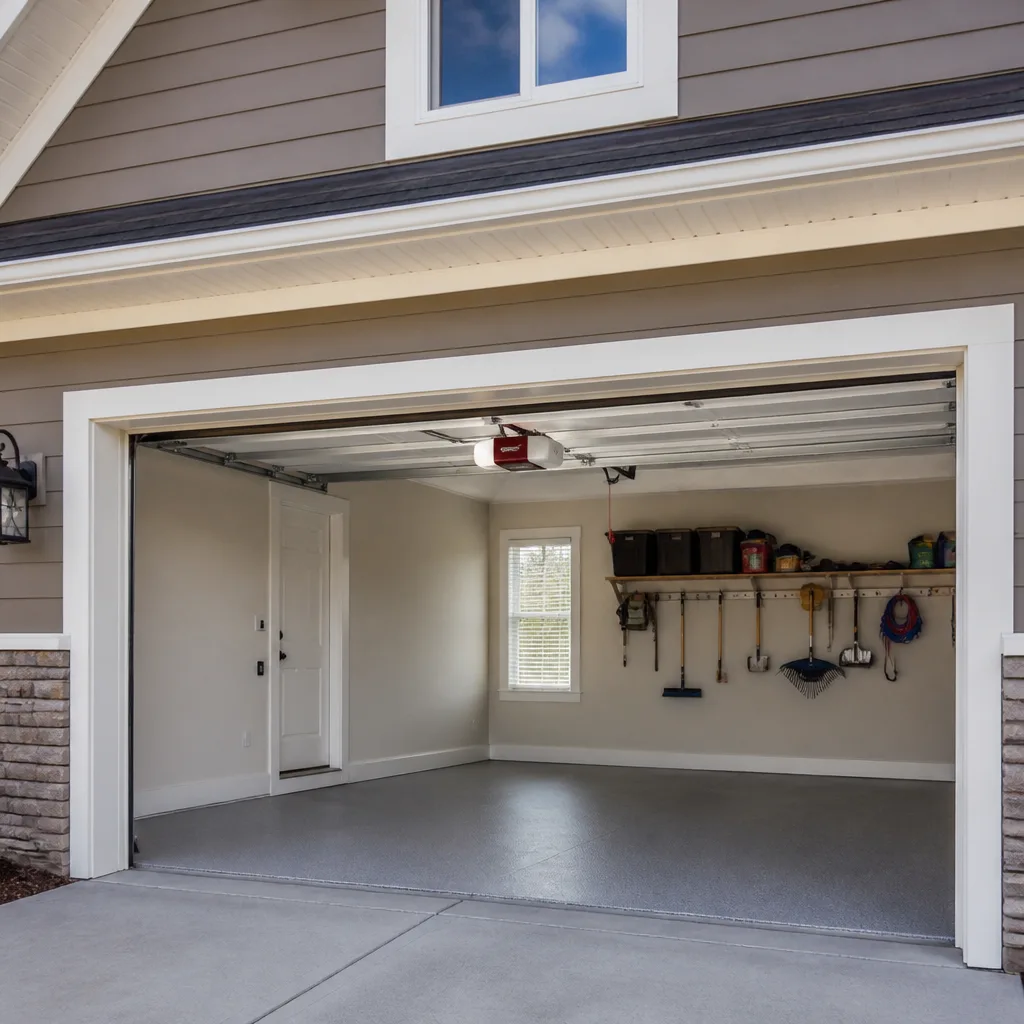 LiftMaster openers
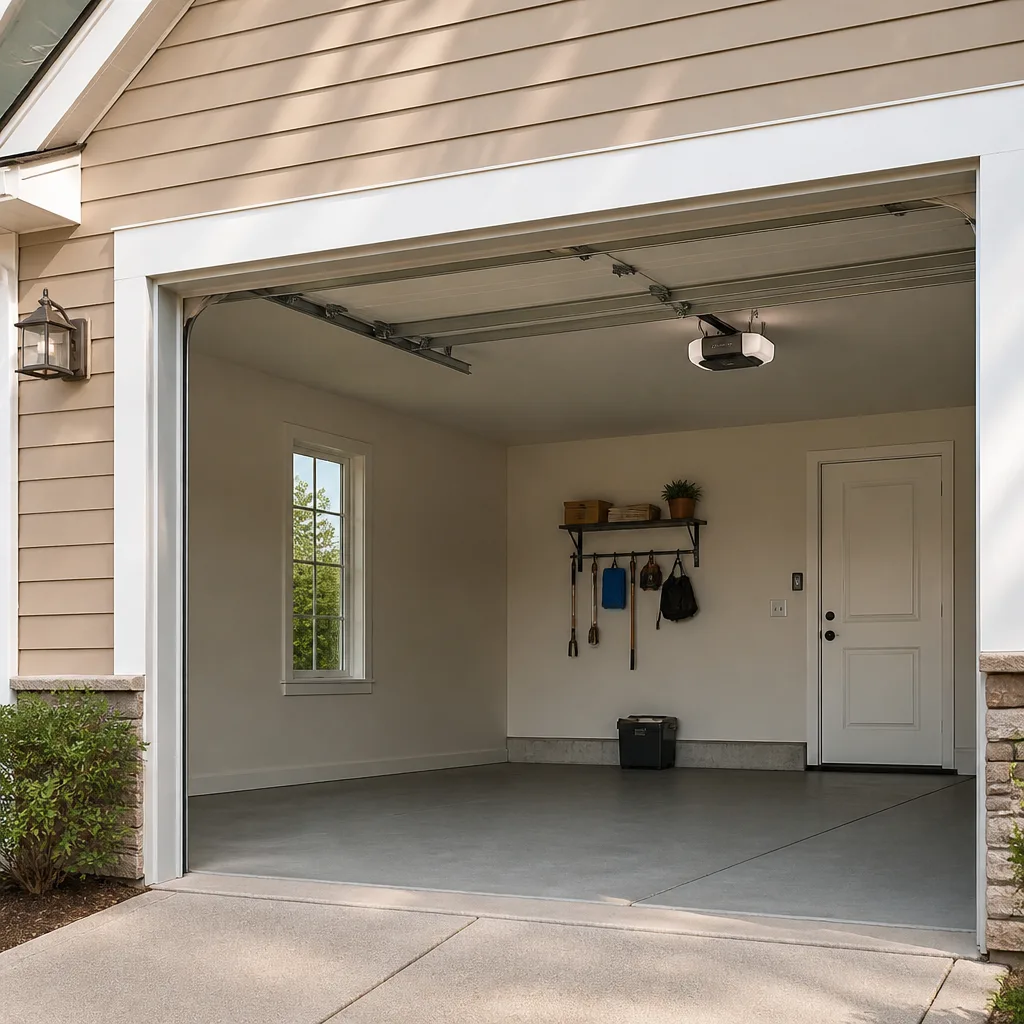 Chamberlain openers
Full 25-point door and opener safety check with every visit - springs, cables, rollers, tracks, and your LiftMaster or Chamberlain opener included
You get a price before we start. It does not change when the pro arrives.
Get your free estimateGarage Door Repair Maintenance Checklist for Trenton Homeowners
The service call we take most often in Trenton isn’t a snapped spring or a dead opener. It’s a door that’s been running dry for years. Rollers and hinges wear against each other without lubrication, the metal grinds, the door drags, and a task that takes twenty minutes and a can of the right spray turns into a track replacement. That’s the counterintuitive part of garage door care: the expensive failures usually start as small, ignored ones. This guide is built backward from the repairs we actually see, so every item on the list maps to a real breakdown mode in Trenton homes. You’ll learn what to check, what to leave alone, and which jobs belong to a technician.
Quick Answer
A working maintenance routine for a Trenton garage door covers four things: lubricating rollers, hinges, and springs with the correct product; testing balance and tension without touching the spring system; checking the bottom seal against freeze-thaw damage; and confirming that the safety sensors are aligned. Do the high-wear items monthly, the seasonal checks each spring and fall, and the full inspection once a year. Anything involving torsion springs, cables, or the opener’s internal wiring belongs to a trained technician.
Styles & brands we work with
- Raised-panel steel
- Carriage house
- Modern flush
- Full-view glass
- LiftMaster openers
- Chamberlain openers
Table of Contents
- Why a Failure-Point Checklist Beats a Generic One
- The Right Lubricant for Every Component (and the Wrong Ones)
- Trenton Climate Checks: Seals, Concrete, and Freeze-Thaw
- The Balance and Tension Test You Can Run Safely
- Safety Sensor Drift and How to Confirm Alignment
- Monthly, Quarterly, and Annual Task Breakdown
- Brand-Specific Notes: Chamberlain, Genie, Clopay, Amarr
- A Spring and Fall Routine for Trenton Doors
Why a Failure-Point Checklist Beats a Generic One
Most maintenance checklists floating around the internet read the same: lubricate the door, tighten the bolts, call a pro if something breaks. That advice isn’t wrong, it’s just not specific enough to prevent anything. A checklist built from actual repair patterns works differently. You start with the failure and work backward to the check that would have caught it.
Here’s how that logic plays out in a typical Trenton garage. Rollers and hinges are the highest-wear, lowest-cost parts on the whole door. They also get the least attention because they’re quiet until they aren’t. When a nylon roller seizes, the door drags against the track, the opener strains, and the whole system runs hotter and louder. The failure escalates from a lubricant problem to a track problem to an opener problem, and the price climbs with each step. That’s the sequence we see most often, and it’s almost entirely preventable.
The second-highest call volume comes from balance issues. A door that’s out of balance forces the opener to do work the springs should be doing. Over time the opener’s gears wear unevenly, the door reverses unpredictably, and what started as a minor tension problem becomes a motor replacement. A balance test takes two minutes and catches it early.
The third pattern is seasonal and specific to our climate. Concrete slabs shift and heave through New Jersey’s freeze-thaw cycles, and the bottom seal follows the slab. When the seal no longer meets the floor, weatherstripping stops working, and you get drafts, water intrusion, and a door that sits unevenly in its frame. Homeowners in Trenton neighborhoods like Chambersburg and Villa Park, where many garages open onto older concrete drives, deal with this more than they realize.
So the checklist below isn’t organized by part. It’s organized by failure mode, high-frequency to low. If you do nothing else, do the lubricant and balance items. Everything else is insurance.
The Right Lubricant for Every Component (and the Wrong Ones)
This is where most homeowners go wrong, and it’s the section worth reading twice. The product in your garage right now might be actively damaging the door. Using the wrong lubricant on a garage door isn’t a neutral mistake: some sprays attract grit, some degrade nylon, and some do nothing at all.
What belongs where
Nylon rollers and hinges: Silicone spray or a purpose-made garage door lubricant. These parts are the highest-wear, lowest-cost components on the door, and they respond well to a light, dry silicone film. It doesn’t attract dust the way a wet product does. Spray the roller stems and the hinge pivots, then run the door up and down a few times to work it in.
Torsion spring coils: Silicone spray, applied lightly, to reduce coil friction between the spring’s turns. Don’t soak the spring; a thin coat is enough. Important caveat: this is the only spring-related task a homeowner should ever touch. The spring itself, and the cables and drums attached to it, store enormous energy. Never attempt to adjust, unwind, or remove a torsion spring. That’s a technician job, full stop.
Metal-to-metal contacts and the opener rail: White lithium grease belongs here, on the metal-on-metal pivots and the opener’s rail and chain where the manufacturer recommends it. It’s a heavier product with better staying power than silicone, and it’s the right choice for the parts that take load.
What to avoid entirely: Standard WD-40 is a water-displacing solvent, not a lubricant. On nylon rollers it can degrade the material over time, and on metal it leaves a thin film that attracts dust and grit. Grit plus moving parts equals wear. Save it for loosening a stuck bolt and use the right product on your door.
Monthly lubrication checklist
- Close the door and disconnect the opener if you can do so safely.
- Wipe down each roller stem and hinge pivot with a dry cloth.
- Apply silicone spray to the roller stems and hinge pivots.
- Apply a light silicone coat to the spring coils (visual check only, no tools).
- Apply white lithium grease to the opener rail per the manufacturer’s guidance.
- Run the door up and down twice to distribute the lubricant.
- Listen for grinding or squealing. If it persists after lubrication, something else is wrong and it’s worth a call.
Trenton Climate Checks: Seals, Concrete, and Freeze-Thaw
New Jersey’s freeze-thaw cycle is the single biggest environmental factor in garage door wear here. Water gets into concrete pours, freezes overnight, expands, then thaws and contracts. Repeat that a few hundred times a winter and slabs shift. Garage door bottom seals follow the slab, and when the slab moves, the seal stops sealing. That’s a problem you can see clearly from inside the garage.
What to look for
- Gaps under the bottom seal: Shine a light from outside and look for bright spots underneath. Any daylight means the seal isn’t making contact.
- Cracked or hardened seal material: Rubber stiffens with age and cold. If the seal feels brittle or has visible cracks, it’s past its useful life.
- Uneven contact: The seal touching on one side and not the other usually means the slab has heaved or the door is out of level. Both need a look.
- Water staining near the threshold: A sign the seal is failing and water is getting in during heavy rain.
Replacing a bottom seal is one of the cheaper maintenance items on a garage door, and it protects everything above it. It’s also worth checking the weatherstripping along the sides and top of the door frame. Those strips fail at the same time as the bottom seal and often get overlooked.
If the slab itself has heaved significantly, seal replacement alone won’t fix it. That’s a case where the door, the track, and the floor all need to be looked at together to make sure the door closes cleanly and the safety reverse works correctly. In Trenton, garages that face north and hold shade through the winter see seal damage faster because ice lingers longer on the slab.
The Balance and Tension Test You Can Run Safely
A garage door that’s out of balance is a door that’s asking the opener to do work it shouldn’t. You can test balance safely with a few steps, and you never need to touch the spring system.
The manual release test
- Close the door fully.
- Pull the manual release cord to disconnect the opener. This is the cord hanging from the opener rail.
- Lift the door by hand to about waist height, then let go.
- Watch what happens. The door should stay put or drift very slightly on its own. It should not fall, slam, or slide rapidly in either direction.
Pass: The door holds position with minor drift. Fail: The door slams down, rises on its own, or feels unusually heavy to lift. A fail usually points to spring tension, but it can also mean a track problem, a seized roller, or a worn cable. Don’t try to fix the tension yourself; a torsion spring under the wrong tension can fail catastrophically, and even a trained technician treats it carefully.
The opener strain test
Reconnect the opener and cycle the door up and down. Listen and watch.
- Does the door move smoothly at a consistent speed, or does it slow in places?
- Is the opener straining audibly at any point?
- Does the door reverse unexpectedly before reaching the fully-open position?
Any of those signs means something is out of spec. In our experience, the fastest-diagnosing fact is the noise pattern: a smooth door is quiet, and a straining door tells you exactly where the resistance is. When the doorway gets noisy, the balance test tells you whether it’s a balance problem or a hardware problem. If you’re in doubt, it’s worth a look from a pro rather than a homeowner guessing at the springs. You’ll find our full garage door repair service covers diagnostics for exactly this kind of “something feels off” call.
Safety Sensor Drift and How to Confirm Alignment
Safety sensors are the two small units mounted near the floor on each side of the door opening. They send a beam across the doorway and stop or reverse the door if something breaks it. When they drift out of alignment, the door refuses to close, and it often happens seasonally because temperature changes and settling concrete move the brackets a fraction of an inch.
How to confirm alignment
- Look at both sensor units. Most have an indicator light that stays solid when aligned. If either light is blinking, off, or flickering, alignment is off.
- Check that the lenses are clean. Dust, cobwebs, and small debris break the beam as effectively as a misaligned bracket.
- Look for anything blocking the beam path: a hanging bike, a box, a loose wire, even a tall weed at the door’s edge.
- If the lens and path are clear and the light is still off, the bracket may have drifted. A small adjustment re-aims it, but don’t force it; over-torquing a plastic bracket is an easy way to crack it.
Sensor drift is a seasonal issue, and it usually shows up at the same time of year in the same homes. If you find yourself adjusting the sensor every few weeks, the underlying cause might be a mounting issue or a failing sensor unit rather than simple drift. That’s when it’s worth having a technician look at it. Opener-side electronics and sensor wiring run on the same low-voltage circuit, and a dead sensor can mimic a dead opener. If you ever find the door won’t respond at all, our garage door opener repair team handles both sides of that diagnosis.
Monthly, Quarterly, and Annual Task Breakdown
The temptation with any maintenance routine is to do everything at once and over-maintain the parts that don’t need it, while ignoring the ones that wear fastest. Here’s how the work breaks down by frequency, so you spend your time where it counts.
Monthly (high-wear items)
- Lubricate rollers, hinges, spring coils, and opener rail.
- Inspect the bottom seal for visible gaps or cracking.
- Clear any debris from the sensor beam path.
- Listen for new noises, and note when they started.
Quarterly (seasonal checks)
- Run the manual release balance test.
- Check the sensor alignment lights.
- Tighten loose bolts on the hinges and track brackets (hand-tight only; don’t overdo it).
- Wipe down the track with a dry cloth; never grease a track, it attracts grit.
Annual (full inspection)
- Inspect the torsion spring, cables, and drums by eye. Don’t touch them. Look for rust, fraying, or a visibly sagging spring.
- Check the door panel alignment and level.
- Inspect weatherstripping on all four sides of the door frame.
- Test the opener’s auto-reverse feature and force settings per the manufacturer’s manual.
- Schedule a professional inspection if anything was flagged during the year.
Low-wear parts like the track and the door frame don’t need monthly attention. High-wear parts like the rollers do. That’s the whole logic of a failure-point schedule.
Brand-Specific Notes: Chamberlain, Genie, Clopay, Amarr
Most maintenance tasks apply regardless of brand, but a few systems have quirks worth knowing about.
Chamberlain and LiftMaster openers
These are the most common openers in Trenton garages, and their smart-home features are where a lot of maintenance confusion comes from. A Wi-Fi-enabled Chamberlain that suddenly goes offline often isn’t a hardware failure at all. It might be a firmware update caught mid-cycle, a router change, or an app-side sync issue. Before assuming the opener is dead, check that the wall control still works. If it does, the motor is fine, and the problem is in the connectivity layer.
Genie openers
Genie openers, including several legacy models still common in older Trenton homes, use a different force-setting procedure than Chamberlain. When you run the annual auto-reverse test, check the manual for the correct adjustment sequence. The wrong adjustment on a Genie can be dangerous, since the force setting determines how hard the door pushes before reversing.
Clopay and Amarr doors
Clopay and Amarr panels are common on newer builds in Trenton, and the main maintenance note is the bottom seal. Both manufacturers design their bottom seals to be replaceable independently of the panel. When the seal fails from freeze-thaw, you only replace the seal, not the door. It’s a common upsell elsewhere, and it’s worth knowing the repair exists to avoid it.
If you have a LiftMaster, Chamberlain, Genie, Craftsman, Raynor, Clopay, Amarr, or Wayne Dalton system and you’re not sure which maintenance tasks apply to your specific model, that’s a reasonable time to ask. Working on your brand is a different skill from working on doors generically, and our Garage Door Repair Trenton Pros team keeps up with the specifics of each one.
A Spring and Fall Routine for Trenton Doors
The two seasons that matter most for maintenance in Trenton are spring and fall, each for a different reason.
Spring routine
Winter’s freeze-thaw cycles leave their marks on the seal and the concrete. In spring, check for gaps under the seal, inspect the track for ice damage, and give the whole door a fresh lubrication. If the door sounds worse than it did in November, the winter took something out of it, and it’s worth a professional look before summer heat bakes the problem in.
Fall routine
Preparing for winter is about preventing the damage the next freeze-thaw cycle will cause. Check weatherstripping on all four sides. Clear leaves and debris from the track. Confirm the sensor alignment. Lubricate through with silicone to help keep moisture out of the moving parts. If your door faces north and holds winter shade, this fall check is more important than for the rest of the street.
A quick professional inspection in either season is worth it if the door has been doing anything you can’t positively identify. If you’re seeing cable fraying, or if the door’s a torsion-spring model and you suspect a balance problem you can’t resolve, our garage door spring repair service is built specifically to diagnose that safely.
Common Mistakes to Avoid
- Using WD-40 as a lubricant. It’s a solvent, not a lubricant. It degrades nylon rollers and leaves a film that attracts grit. Use silicone spray on rollers and hinges, and white lithium grease on metal-to-metal contacts.
- Greasing the track. A greased track turns into a magnet for grit and hair. The track is a guide, not a bearing surface, and it should stay clean and dry.
- Ignoring a bottom seal that isn’t making contact. Trenton’s freeze-thaw cycle heaves concrete, and the seal follows. A gap under the seal lets in water, drafts, and pests. Replace it before it becomes a bigger problem.
- Trying to tighten a torsion spring. This is the most dangerous mistake a homeowner can make. The spring stores enough energy to cause serious injury. Only a trained technician should touch it.
- Over-torquing bolts on the hinges and track brackets. Hand-tight is enough. Over-tightening distorts the metal and creates alignment issues later.
- Adjusting the opener’s force setting to mask a balance problem. If the door is out of balance, a higher force setting will get the door to move but it strains the opener and defeats the safety reverse. Fix the balance, don’t adjust the force.
- Waiting for a noise to become a failure. A grinding roller is a warning. A seized roller is a repair. The time to catch a door problem is when it’s still making noise, not when it’s stopped moving.
See the difference
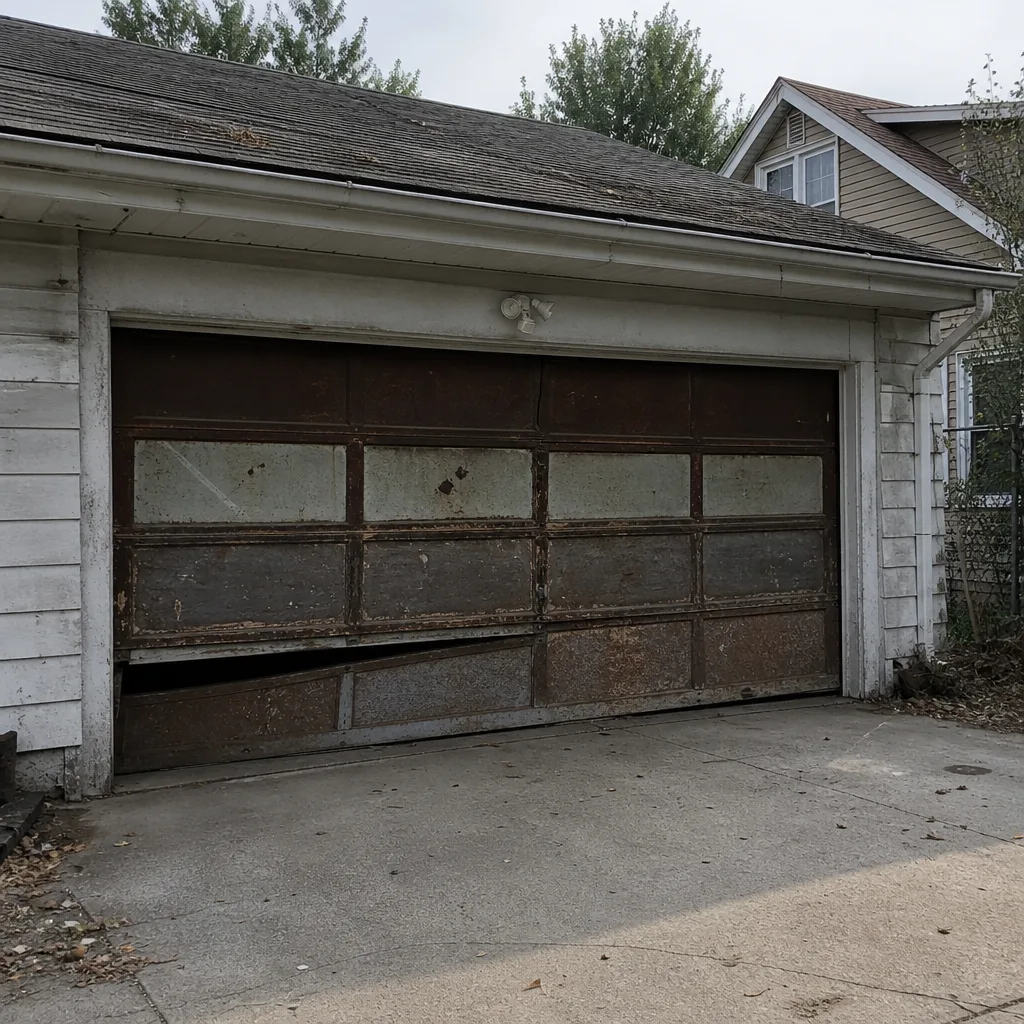 Before
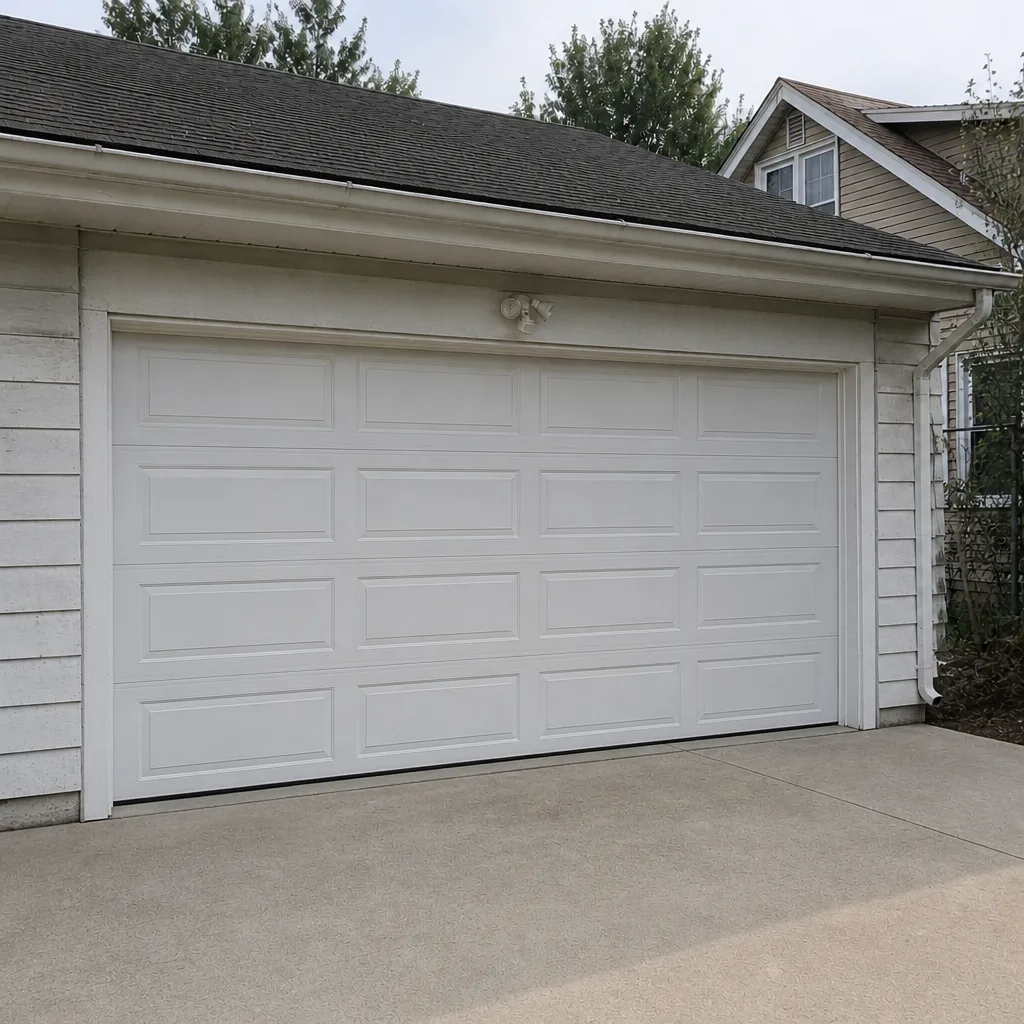 After
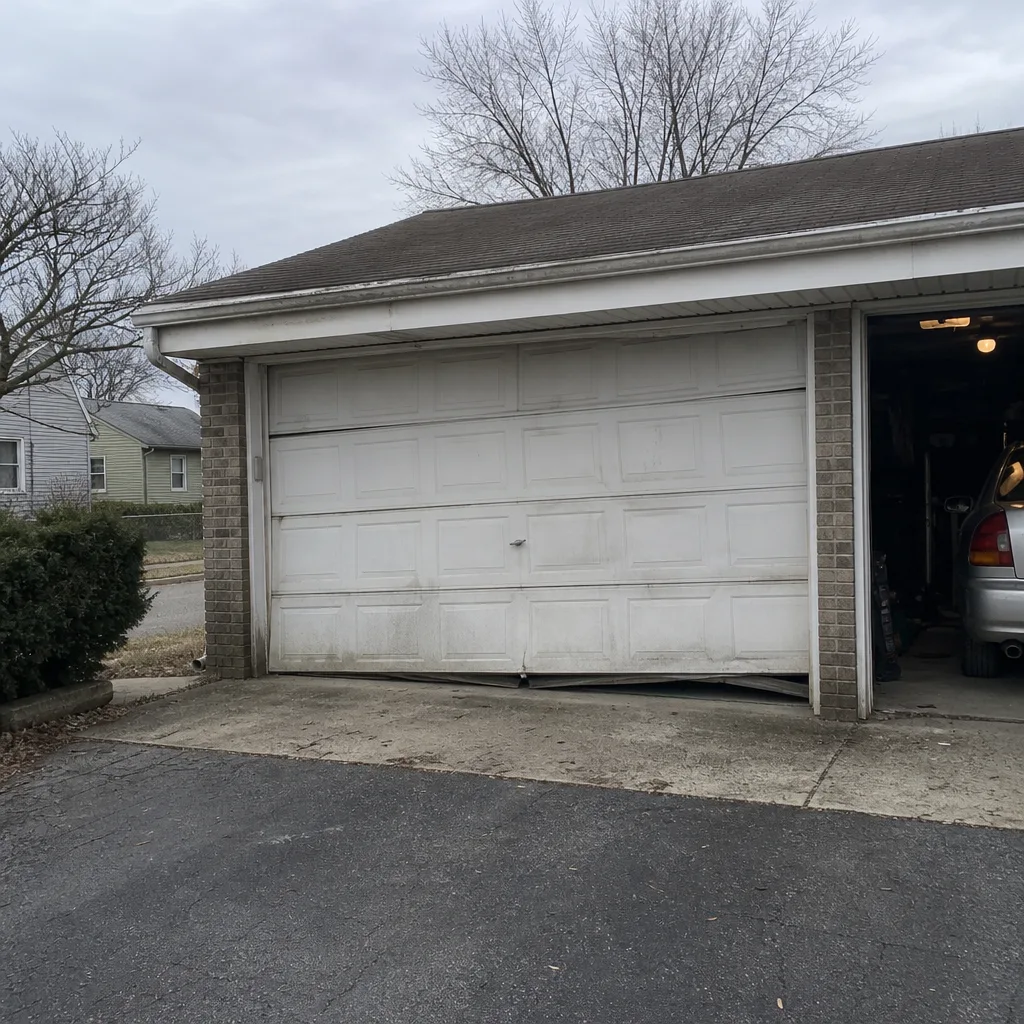 Before
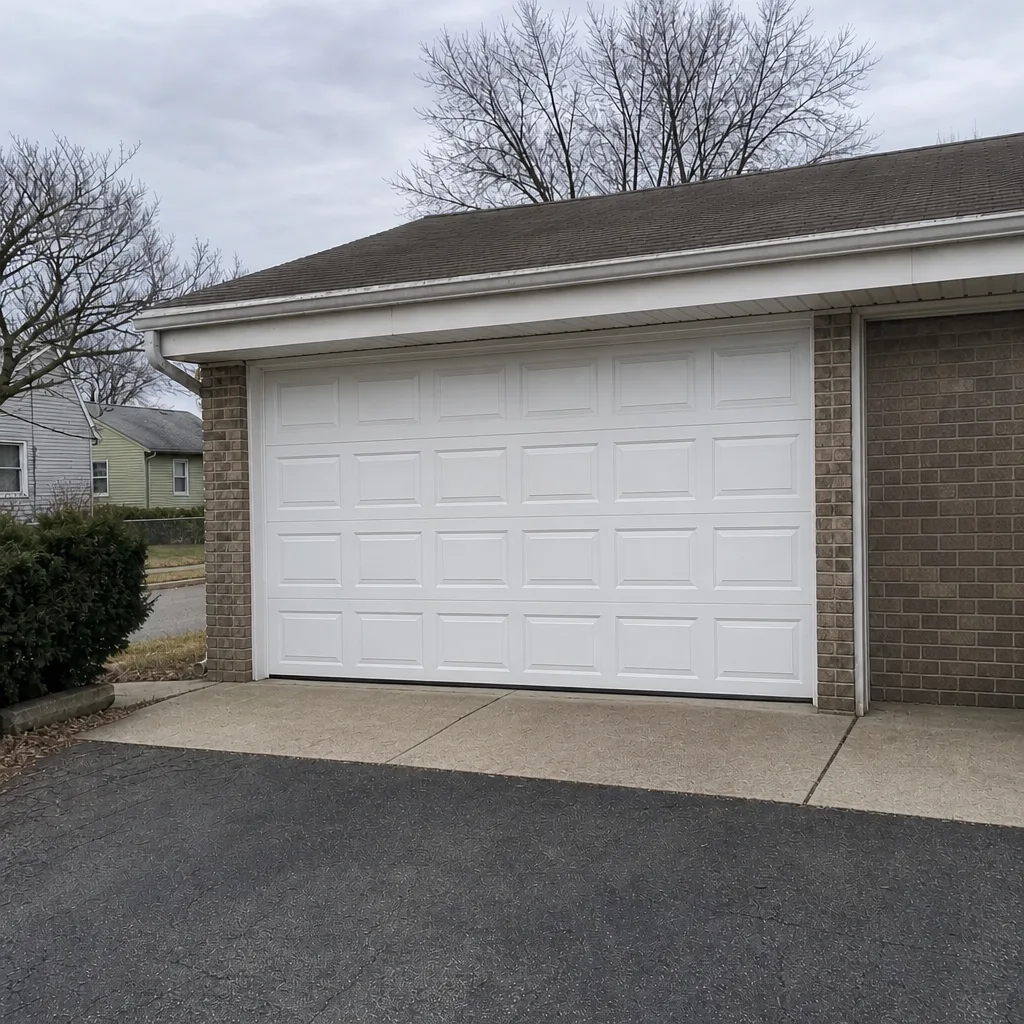 After
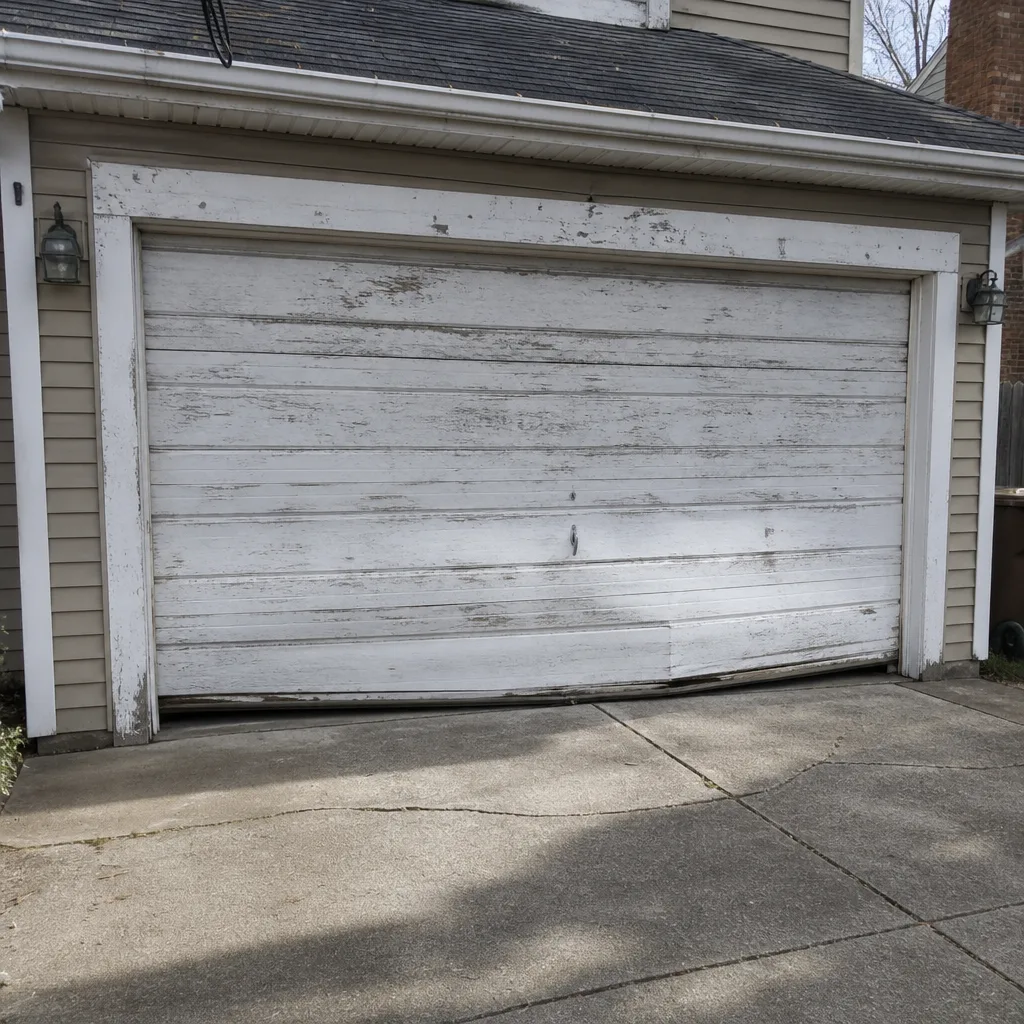 Before
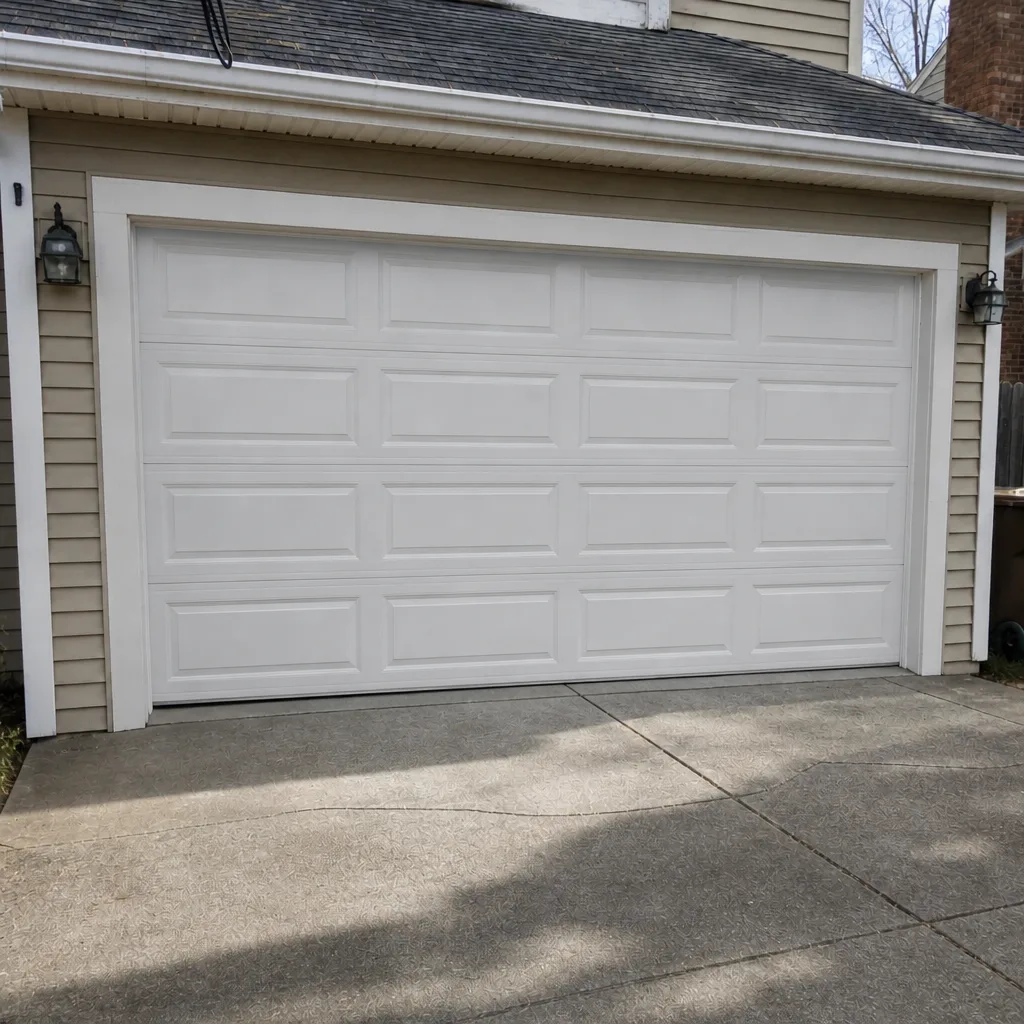 After
When to Call a Professional
Most of this checklist is safe for a homeowner to run, but a few situations call for a trained technician. If the door fails the balance test, if you hear or see anything wrong with the torsion spring or cables, if the bottom seal gap is caused by a heaving slab, or if the opener is behaving unpredictably, stop and call. Those aren’t maintenance items; they’re diagnostics. The same applies to any smart-opener connectivity issue that survives a reset, and to any door that’s been in one position for a long time and has started behaving strangely. Garage Door Repair Trenton Pros offers free estimates in Trenton. Call (833) 509-3463 to schedule one, and we’ll walk the door with you before recommending anything.
Frequently Asked Questions
Monthly is the right frequency for a garage door in Trenton. New Jersey’s temperature swings and the frequent opening and closing that comes with an attached-garage house make rollers and hinges the fastest-wearing parts on the door. A quick silicone spray on the roller stems and hinge pivots each month keeps wear slow and quiet. White lithium grease goes on the metal-to-metal contacts and the opener rail, not on the rollers.
No. Torsion and extension springs store enough energy to cause serious injury, and adjusting them requires specific tools and training. Homeowners can lubricate the spring coils lightly with silicone spray and can run the balance test, but they shouldn’t touch the spring itself, the cables, or the drums. Call (833) 509-3463 if the balance test fails or you hear anything wrong from the spring area.
Freeze-thaw cycles are the main cause. Water gets into the concrete slab, freezes overnight, expands, and thaws, which causes the slab to shift over time. The bottom seal follows the slab, and when the slab moves, the seal stops meeting the floor. North-facing garages that hold shade through the winter see seal damage faster because ice lingers. Replacing the seal is usually the fix; if the slab has heaved significantly, a technician can assess whether the door and track also need adjustment.
Seasonal drift is the most common cause, especially with temperature swings and concrete movement. If the sensor lights are blinking and the beam path is clear, the bracket may have shifted by a fraction of an inch. If you’re adjusting it repeatedly, the bracket or sensor unit may be failing. Our garage door opener repair team can check the sensor wiring and mounting before you replace a working unit. Call (833) 509-3463.
The written estimate you receive before any work starts is the price you pay. We diagnose first and recommend only the parts the door actually needs, and the price is agreed before work begins. Estimates are free. Call (833) 509-3463 for an exact quote on your door.
The independent local professionals we connect you with are licensed and insured as required by the state. We work across LiftMaster, Chamberlain, Genie, Clopay, Amarr, Wayne Dalton, Craftsman, and Raynor systems, so your door gets looked at by someone who knows the brand, not a generalist guessing at it. Estimates are free at (833) 509-3463.
The Bottom Line
Maintenance only works when it targets the failures that actually happen. In a Trenton garage, that means lubrication with the right products (silicone on rollers and hinges, white lithium grease on metal contacts, no WD-40 anywhere near the door), a monthly balance test done safely, and a seasonal check on the bottom seal and concrete slab. Do the high-wear items monthly, the seasonal checks each spring and fall, and the full inspection once a year. Leave the springs, cables, and opener wiring to a technician. That’s the routine that turns a $300 repair into a $12 can of spray, and it’s the one we’d run on our own doors. Call (833) 509-3463 for a free estimate or a professional look at anything you’re unsure about.
Written by the team at Garage Door Repair Trenton Pros.