Last updated November 23, 2026
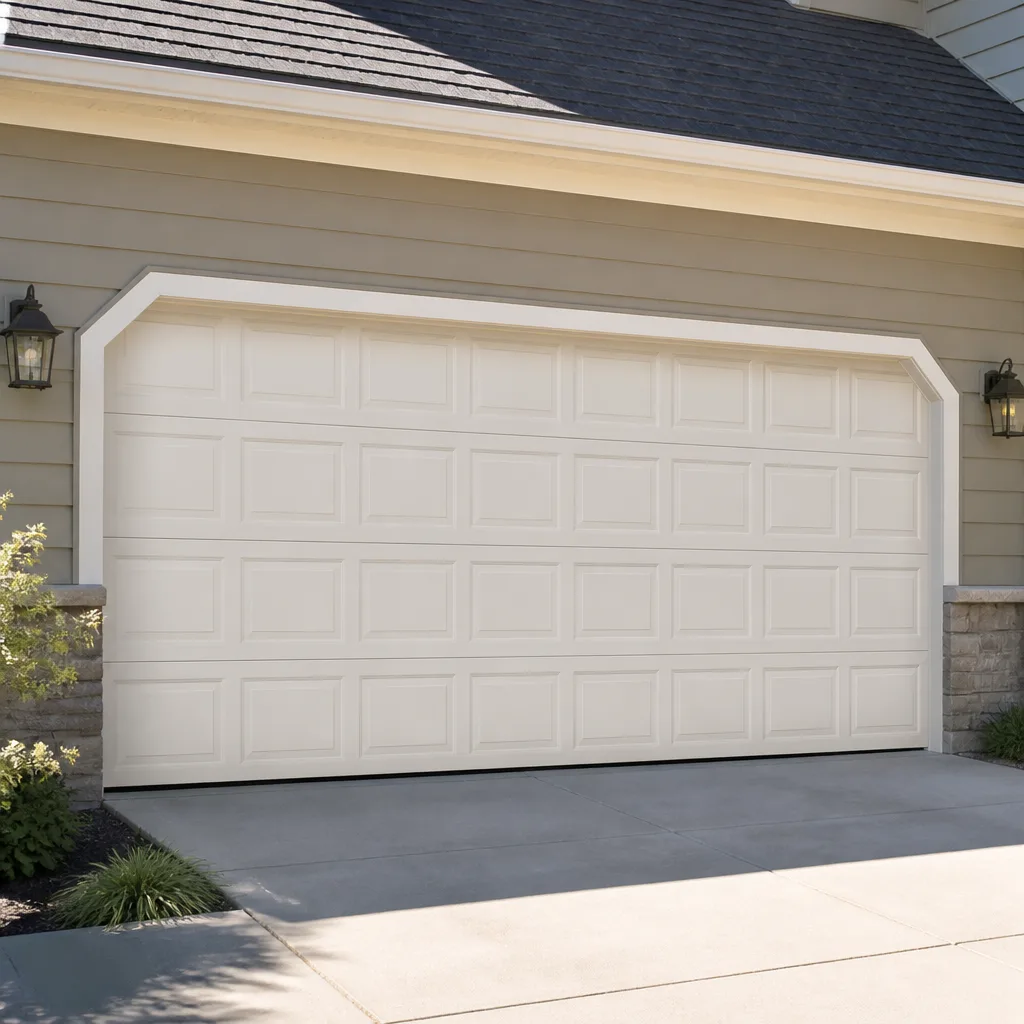 Raised-panel steel
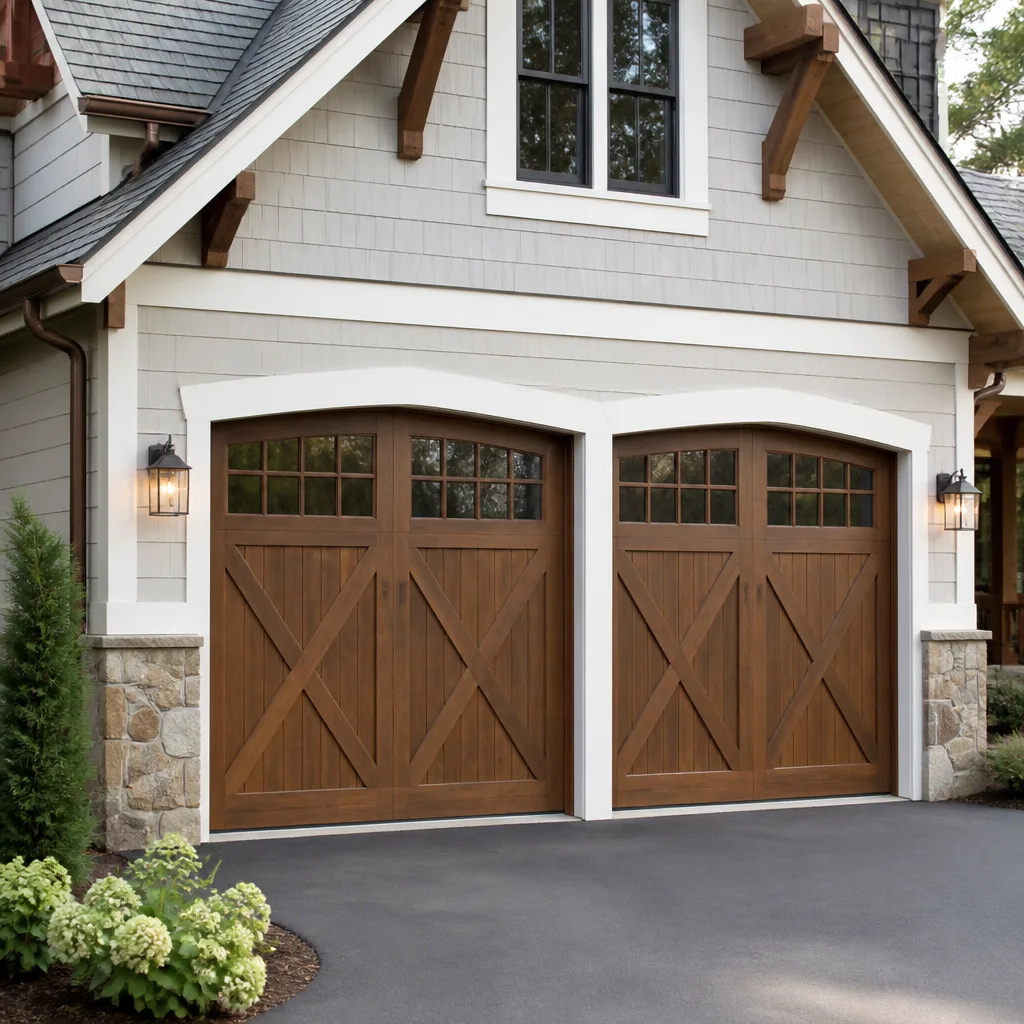 Carriage house
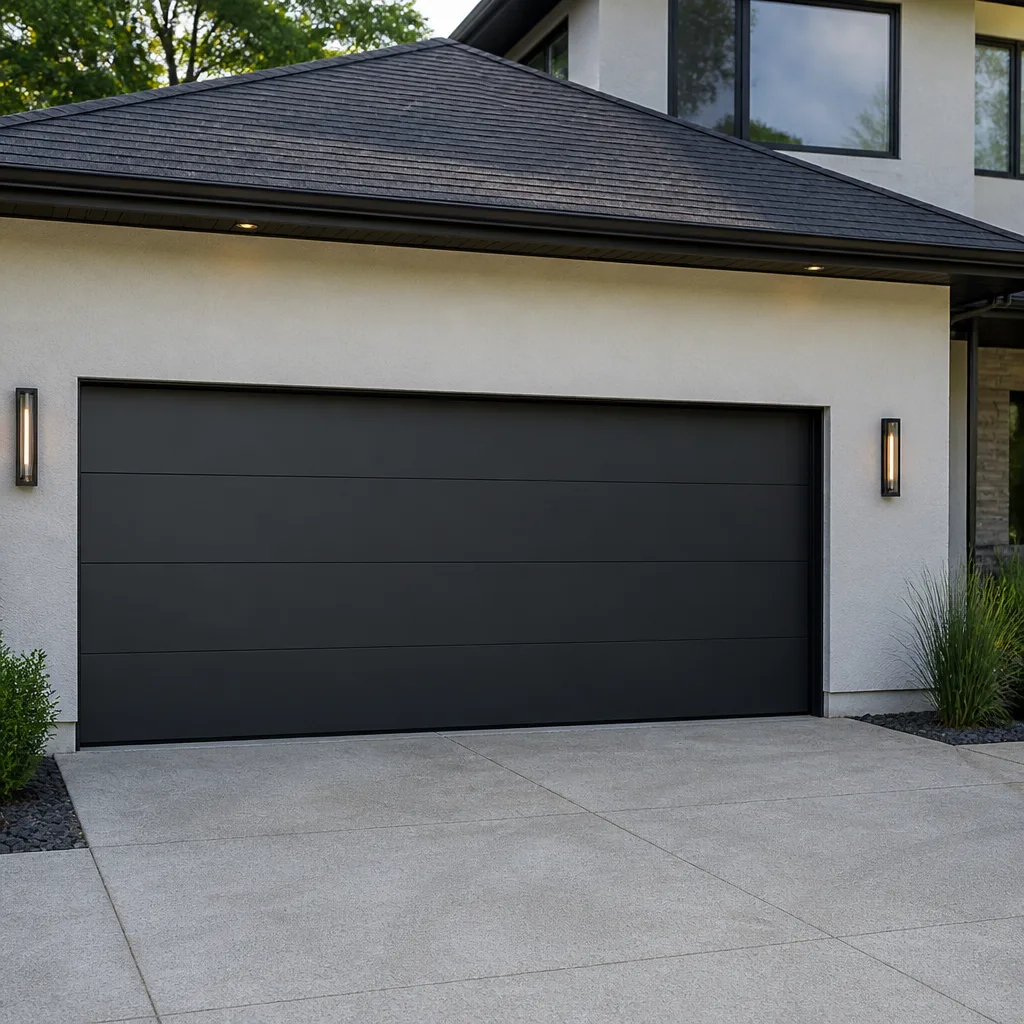 Modern flush
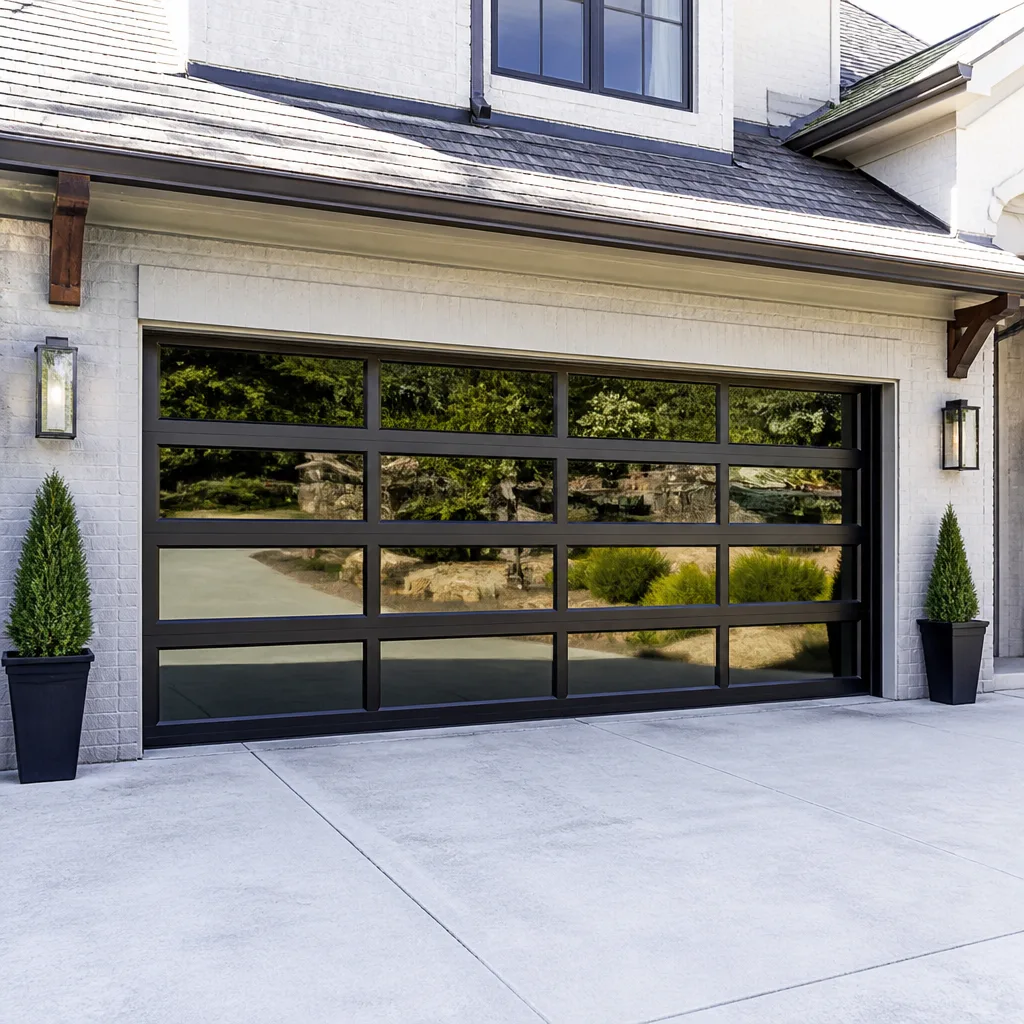 Full-view glass
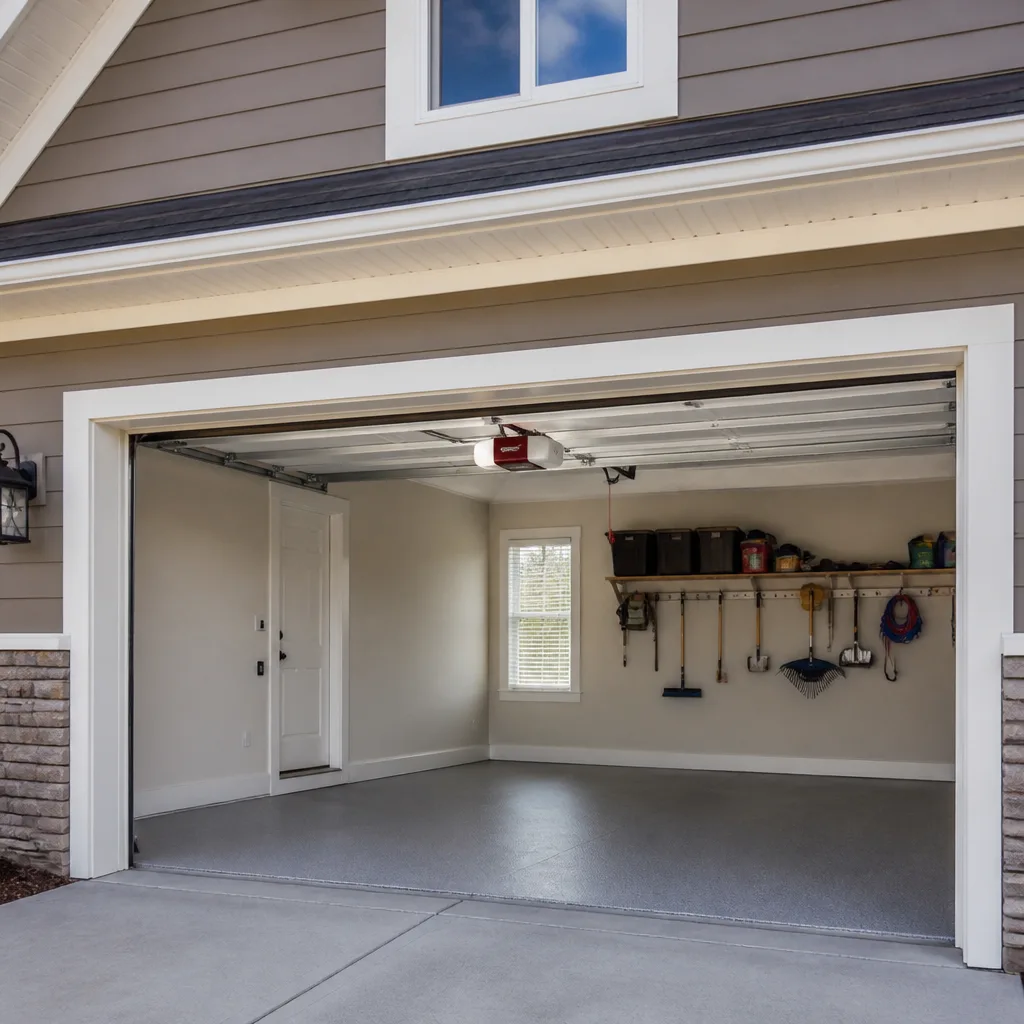 LiftMaster openers
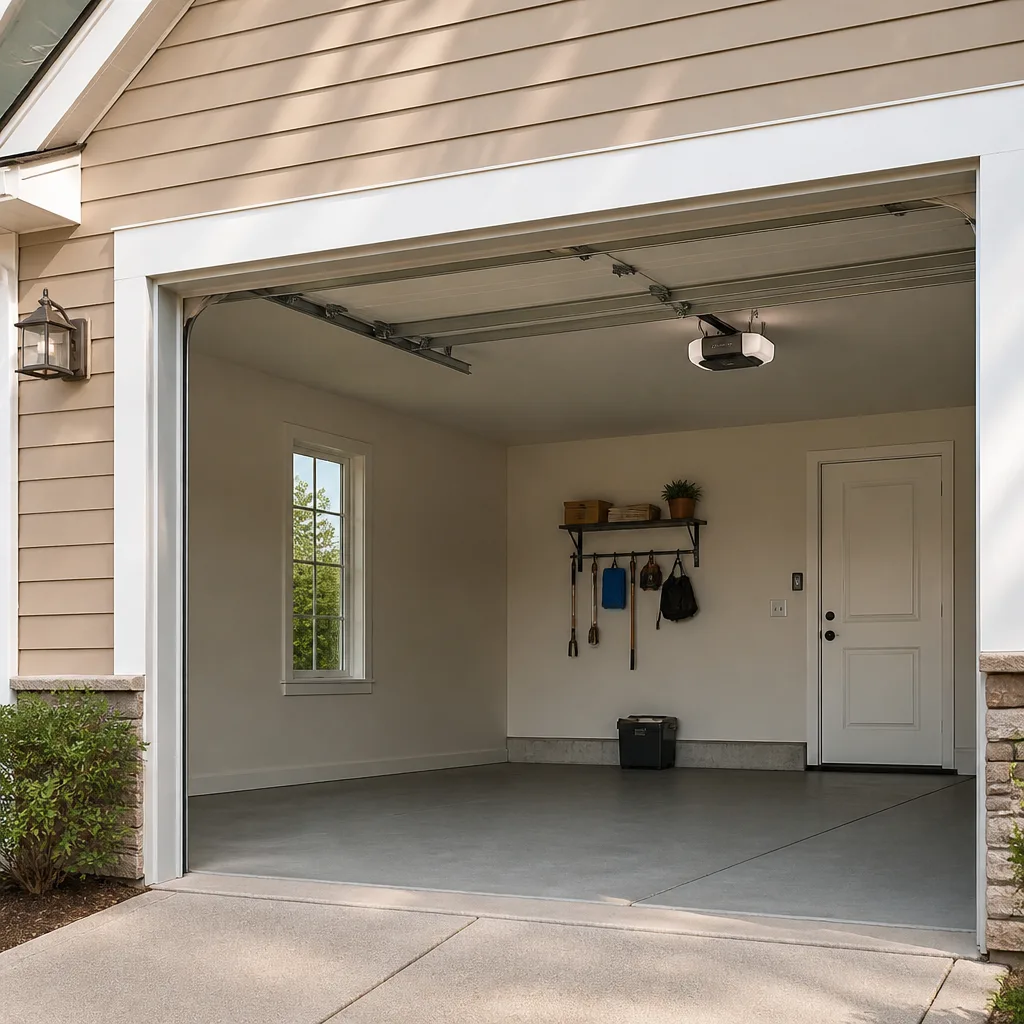 Chamberlain openers
Full 25-point door and opener safety check with every visit - springs, cables, rollers, tracks, and your LiftMaster or Chamberlain opener included
You get a price before we start. It does not change when the pro arrives.
Get your free estimateSeasonal Garage Door Care for Trenton: Year-Round Homeowner’s Guide
February is Trenton’s peak month for snapped torsion springs, and the reason usually surprises homeowners. Cold weather doesn’t break a spring on its own. What happens is that metal contracts in the cold, cable tension climbs, and a spring already worn thin by the previous summer’s high-cycle heat finally gives. The stress that finishes the job is winter’s, but the damage was set up months earlier. That’s the pattern we see across the Trenton basin, and it’s why this guide treats the seasons unevenly. Winter and the spring thaw drive most of the failures worth preventing, so they get the most room here. Summer and fall get what they actually need and no padding. You’ll finish knowing what to check, when to check it, and which jobs are yours to handle and which ones belong to someone with the right tools.
Quick Answer
Garage door care in Trenton should follow a stress-weighted calendar: hard weatherstripping and bottom-seal prep before the first hard freeze, a spring inspection during the cold months, a thaw checklist in March, humidity watching in summer, and a professional tune-up in October before the season that does the most damage begins. In our experience, roughly 70% of the failures worth preventing cluster around winter and the spring thaw, so that’s where your attention and budget should go.
Styles & brands we work with
- Raised-panel steel
- Carriage house
- Modern flush
- Full-view glass
- LiftMaster openers
- Chamberlain openers
Table of Contents
- Why the Seasons Hit Your Garage Door Unevenly in Trenton
- Pre-Winter Prep: Weatherstripping, Bottom Seals, and Threshold Sealing
- Why Torsion Springs Fail in January Through March
- The Spring Thaw Damage Checklist
- Summer Humidity, Wood Panels, and Nylon Rollers
- Fall: The Ideal Tune-Up Window
- Month-by-Month Maintenance Calendar
- Common Mistakes to Avoid
Why the Seasons Hit Your Garage Door Unevenly in Trenton
Trenton sits in a climate with real temperature swings between July and January, and your garage door feels every degree of them. A door assembly is a stack of materials with different expansion rates: steel panels, aluminum tracks, nylon or steel rollers, rubber seals, and, on older homes, wood components. When the whole assembly moves and shrinks together through hundreds of cycles a year, the weakest parts wear fastest.
The parts that take the most punishment are the ones under constant load. A torsion spring is coiled and holding energy every hour of every day, whether the door moves or not. That’s why a season of heat followed by a cold snap matters more than a single cold morning. The summer heat-cycle pattern builds cumulative fatigue, and the winter contraction raises the tension that pushes a tired spring over the edge.
Homes in the Trenton basin deal with one more wrinkle: ground movement. Clay-heavy soil under many area driveways and garage slabs swells when wet and shrinks when dry, and the freeze-thaw cycle of a Trenton winter amplifies that. Slabs move, frames shift slightly, and a door that closed cleanly in October may start dragging a corner by February. None of this is dramatic on its own. Together, it’s why a seasonal approach beats a “fix it when it breaks” one.
If you’d rather start with the basics of what a healthy system looks like, our overview of Garage Door Repair Trenton Pros covers the parts and how they interact before you dive into the seasonal work below.
Pre-Winter Prep: Weatherstripping, Bottom Seals, and Threshold Sealing
The work you do before the first hard freeze in the Trenton basin is the cheapest insurance you’ll buy all year. Once the ground locks up and temperatures hold below freezing, sealants stop curing properly and rubber gets stiff enough that new seals won’t seat correctly. So this is a job for late October or early November, not December.
Here’s what to check and address, in order:
- Bottom seal (astragal). Run your hand along the rubber flap under the door. Look for cracks, flat spots, or sections that have torn away. A bottom seal that’s past its life lets cold air, snowmelt, and mice straight into the garage. Replacement is straightforward on most doors and worth doing before the cold sets in.
- Perimeter weatherstripping. Check the brush or vinyl strips along the sides and top of the frame. If they’ve hardened or pulled loose, they won’t seal against a cold wind. Press a dollar bill between the closed door and the frame; if it slides out with no resistance, the seal is too loose.
- Threshold sealer. The concrete lip where the door meets the floor is a common gap. A proper threshold sealant applied while temperatures are still mild will bridge that gap and keep meltwater from working under the door.
- Panel and frame gaps. Look for daylight around the closed door. Light means air, and air means heat loss and water intrusion when snow blows against the door.
One more thing before winter: lubricate the hinges, rollers, and springs with a garage-door-specific lubricant, not general household oil or WD-40. The right lubricant stays pliable in cold and won’t attract grit the way a wet oil will. A door that moves freely puts less strain on the opener and the springs when the temperature drops.
We work on doors from Clopay, Amarr, and Wayne Dalton regularly, and the prep steps are the same across all of them. The only difference is the seal profile, so match the replacement to your door’s make and model rather than trimming a universal seal to fit.
Why Torsion Springs Fail in January Through March
Between January and March, our spring repair calls climb sharply, and the physics explains it. Torsion springs are wound to hold a specific tension. When temperatures fall, the steel contracts, which increases the effective tension on a spring that’s already near the end of its cycle life. Add the extra load of a door that’s stiffer in the cold and you have a recipe for a loud snap on a February morning.
What a Pre-Season Tension Inspection Actually Involves
A proper inspection isn’t just a glance at the spring. Here’s what it covers:
- Visual check of the coils. Look for gaps, rust, or visible cracks in the coil windings.
- Winding cone and set screws. Check that the set screws are tight and the winding cone is intact.
- Cable condition. Look for fraying, kinks, or rust where the cable wraps the drum.
- Balance test. Disconnect the opener and lift the door halfway by hand. A balanced door should stay put. If it drops or rises on its own, the tension is off.
Here’s the critical safety note: a torsion spring under tension is the single most dangerous component on your garage door. If it’s already worn, adjusting or replacing it yourself can release stored energy with enough force to cause serious injury. This isn’t a job to learn on the fly. A trained technician uses winding bars, knows how many turns a given spring needs, and understands the difference between an extension spring and a torsion setup.
We specialize in garage door spring repair for exactly this reason. A pre-season inspection in late fall or early winter can catch a worn spring before February does it for you, and if a spring does break, we can usually get to it quickly. If you’ve already heard the snap, don’t run the opener. Call garage door repair right away and leave the door down until someone looks at it.
The Spring Thaw Damage Checklist
When Trenton thaws, the water has to go somewhere, and too often it goes into your garage. The freeze-thaw cycle is the culprit. Ground that swells in the freeze and settles in the thaw can shift a garage slab slightly each year, and over time that movement shows up as cracks, door frame shifts, and water finding its way behind the bottom seal.
Run this checklist after the last hard freeze, usually in March:
- Check the slab. Look for new cracks or changes in the slope of the garage floor. Pooling water inside the door line is a red flag.
- Inspect the frame for shifts. Look at the gaps between the door and the frame. If the door is suddenly binding on one side, the frame may have moved from frost heave.
- Check for water intrusion behind the bottom seal. Pull back the seal where you can and look for dampness, rust, or staining. Water sitting behind the seal is what rots the bottom panel and rusts the bottom section of steel doors.
- Test the door’s operation. Disconnect the opener and open and close the door by hand. Listen for grinding, scraping, or a door that feels heavier than it should.
- Re-check the weatherstripping. Winter wind can tear a seal you replaced in the fall. A quick pass now saves a bigger repair later.
If a door suddenly won’t close all the way or a panel is binding, don’t force it. Forcing a misaligned door can bend a track or damage a panel, and then you’re looking at a bigger repair than the one you started with. A quick call to a technician can usually sort out whether it’s a track adjustment or something more. When the opener itself is the thing misbehaving, our garage door opener repair team handles the diagnostics, including app-based and Wi-Fi models from LiftMaster and Chamberlain that sometimes throw fault codes that have nothing to do with the door.
Summer Humidity, Wood Panels, and Nylon Rollers
Summer in Trenton brings heat and humidity, and both do quiet damage. Wood garage door panels swell with humidity and shrink when it’s dry. Repeated swelling and shrinking opens seams, loosens paint, and eventually lets moisture into the wood itself. If your door is painted wood, look for bubbling, peeling, or a panel that’s starting to cup. Catching it in summer means a touch-up now vs. replacing a panel later.
For painted steel doors, humidity isn’t the main issue; heat is. High-heat days make the metal under a painted finish expand, and a finish that’s already compromised will crack along the seams and around the hardware. That’s when rust starts. A quick wash and wax on a steel door once a season is a cheap way to keep the finish intact.
Nylon rollers are the underrated summer part. In high heat, some nylon rollers get brittle and chip, and once a roller chips it starts grinding against the track. That grinding is one of the most common causes of a door that suddenly gets noisy. Steel rollers don’t have this problem the same way, but they can wear flat spots and rattle. If you hear a rhythmic grinding when the door runs, inspect the rollers before assuming it’s the opener.
One summer habit that pays off: run the door by hand periodically and listen. Garage doors don’t fail silently, and a grinding or scraping sound that shows up in July is often a part you can replace before it takes a bigger component with it. If the diagnostics get past the obvious, a technician can sort out whether it’s rollers, tracks, or an opener on its way out. We look at doors from Craftsman, Raynor, and the rest of the major brands, so the diagnosis doesn’t depend on what you have installed.
Fall: The Ideal Tune-Up Window
If you do one professional service a year, October is the month. That’s the case for scheduling a tune-up before the season that does the most damage, and the logic is simple: you’re getting ahead of the failures rather than chasing them in January. A fall tune-up gives a technician a chance to catch a worn spring, a frayed cable, or a loose track while the weather still cooperates and before the stress season starts.
Here’s what a thorough fall tune-up should include:
- Full balance test. Disconnect the opener, open the door halfway, and confirm it stays put. Adjust tension as needed.
- Lubrication. Hinges, rollers, springs, and the opener rail, using the right lubricant for cold weather.
- Spring and cable inspection. Check the coils for rust or gaps, and the cables for fraying.
- Track alignment. Check that the tracks are parallel and that no bolt has worked loose from the summer’s expansion.
- Weatherstripping and bottom seal. Replace anything that won’t survive the winter, while it’s still warm enough to install a seal properly.
- Opener checks. Test the safety reverse, check the sensors, and confirm the opener’s travel limits are correct. If you have a smart opener, a firmware or app check is worth a minute.
Doing this in October means you head into winter with a door that’s balanced, lubricated, and properly sealed. If a spring does fail in February, you’re far more likely to catch it early because you’ll know what the door felt like when it was healthy. That’s the whole point of a seasonal approach: not to prevent every failure, but to make the failures predictable and manageable.
Month-by-Month Maintenance Calendar
Here’s a practical calendar you can pin to the garage wall. It front-loads the work where the risk is highest.
- October: Professional fall tune-up, bottom seal and weatherstripping replacement, lubrication, balance check.
- November: Final pre-winter inspection. Confirm the door seals against cold air. Test the safety reverse on the opener.
- December through February: Watch for unusual noises, a heavy-feeling door, or a door that won’t stay up. If a spring breaks, don’t run the opener. Call for spring repair.
- March: Run the spring thaw checklist. Check the slab, frame, and bottom seal for water intrusion and frame shifts.
- April and May: Clean and lubricate after the thaw. Check the tracks for rust from winter moisture.
- June through August: Watch for humidity-related wood swelling and heat-related roller wear. Wash and wax steel doors. Listen for grinding.
- September: Schedule the fall tune-up. Replace any seal or weatherstripping that won’t survive the winter.
The calendar assumes a typical Trenton year. If a season runs unusually cold or wet, add an inspection. If the door starts behaving differently after a big temperature swing, that’s your cue to look, regardless of what month it is.
Common Mistakes to Avoid
- Waiting for a failure before scheduling service. A spring that breaks in February was usually worn out by the previous fall. A fall inspection can spot it, while waiting for the snap means a scramble in the cold.
- Adjusting a torsion spring yourself. This is the dangerous one. A spring under tension holds energy that can kill. Adjusting, winding, or replacing it without the right tools and training is a serious risk. Leave it to a trained technician.
- Using the wrong lubricant. Household oil and typical spray lubricants attract grit and stiffen in the cold. Use a garage-door-specific lubricant and apply it to hinges, rollers, and springs, not the tracks.
- Ignoring the bottom seal until the thaw. A worn bottom seal lets water in all winter, and by March the damage is already done. Replace it before the freeze.
- Forcing a misaligned door. If the door binds or scrapes, don’t run the opener to push through it. Forcing a door can bend a track or a panel, turning a small adjustment into a bigger repair.
- Skipping the safety reverse test. The auto-reverse function on your opener is a safety device, not a convenience. Test it monthly with the door’s own sensor.
- Assuming a brand-specific problem is universal. Openers from LiftMaster, Genie, and Craftsman each have their own quirks. A generalist who doesn’t know your brand will spend time guessing what a brand-savvy technician recognizes on the first visit.
See the difference
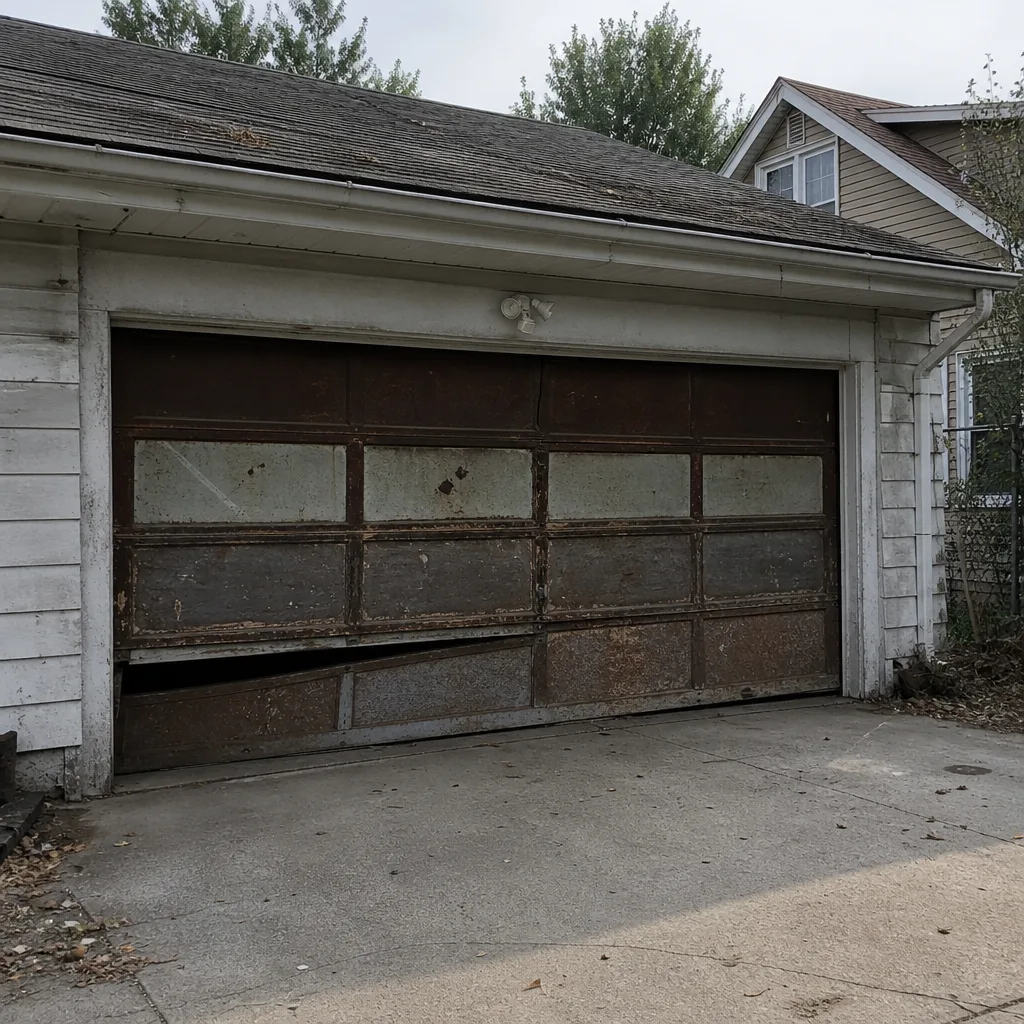 Before
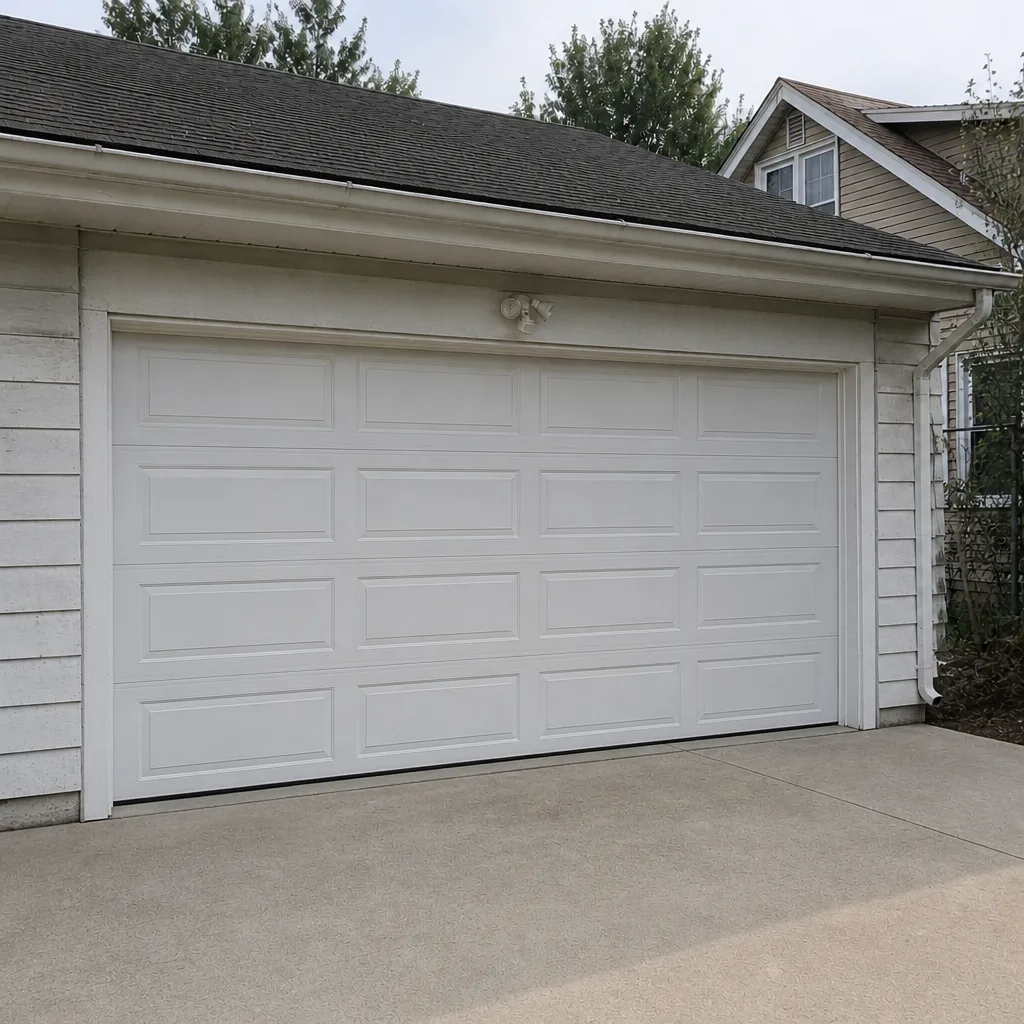 After
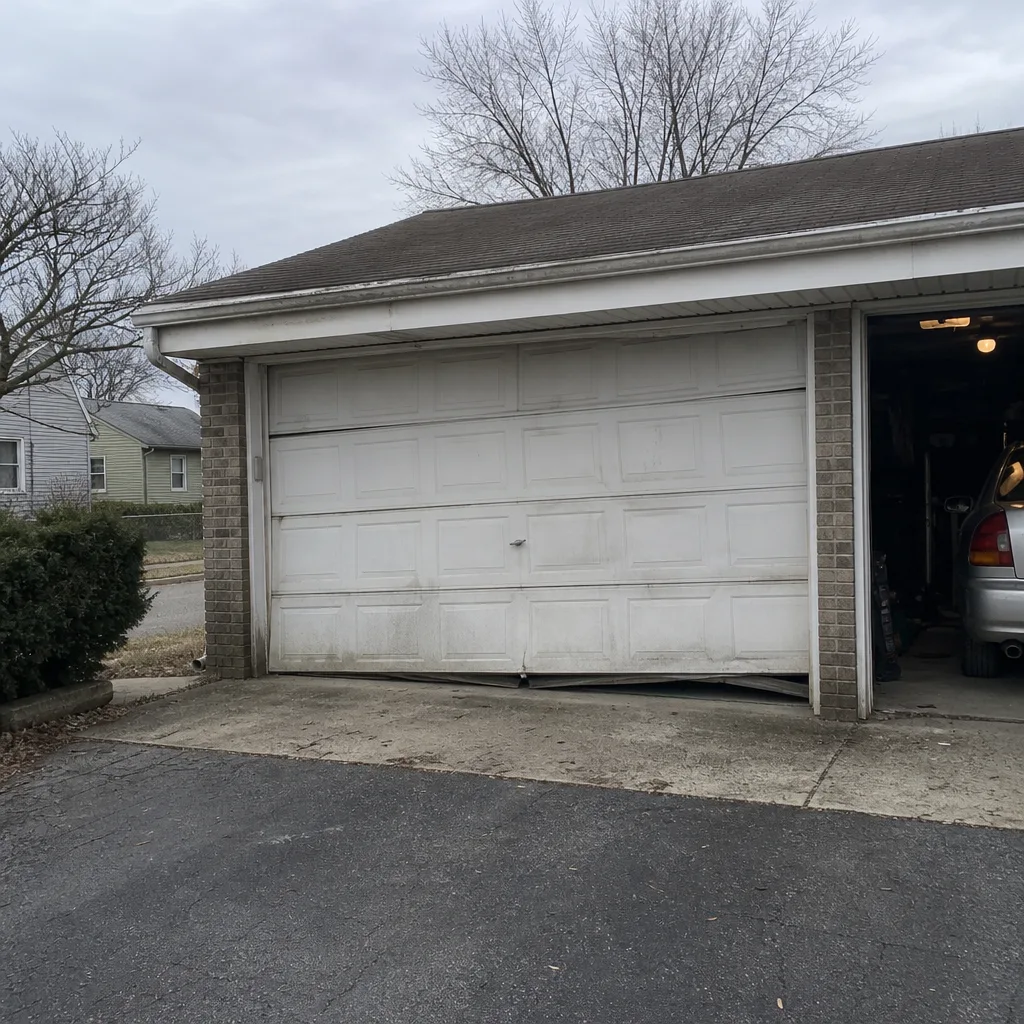 Before
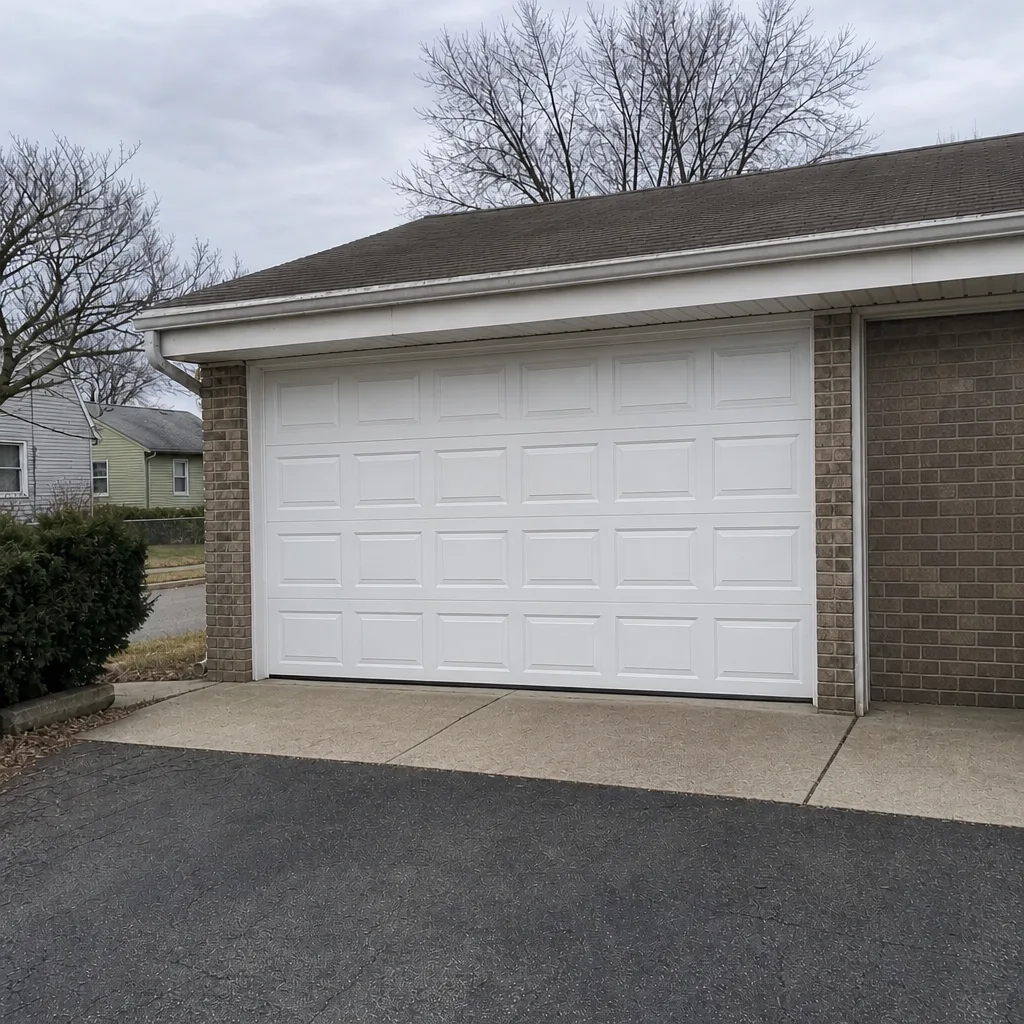 After
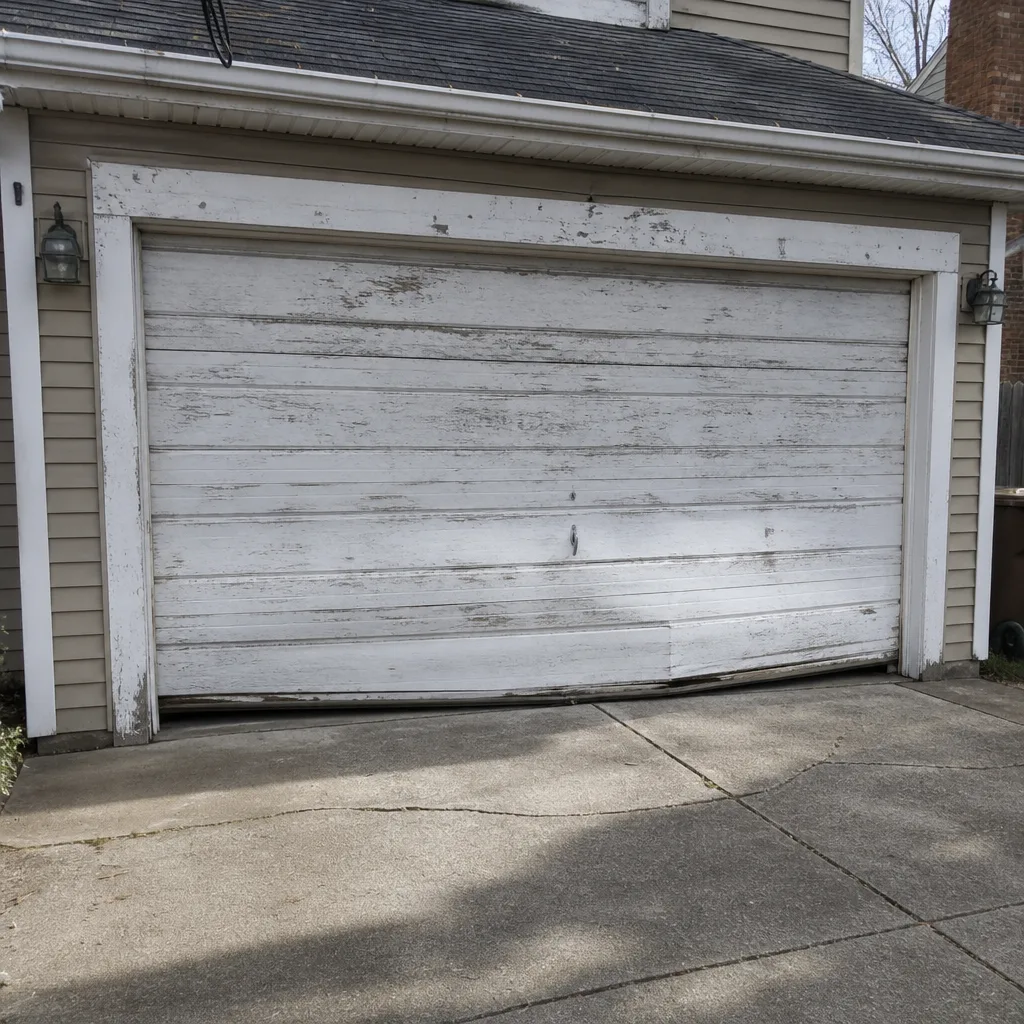 Before
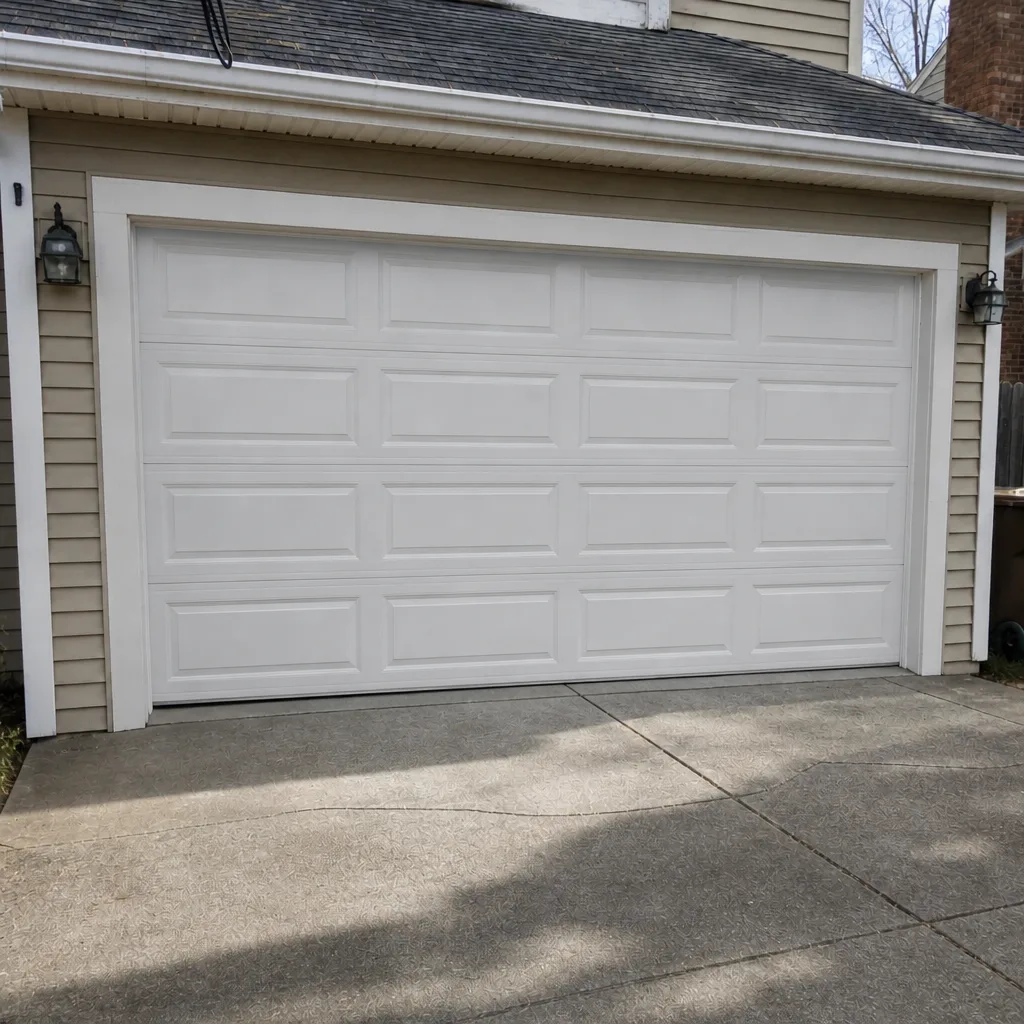 After
When to Call a Professional
Some jobs are yours, and some aren’t. Calling a professional is the right move when a spring is broken or worn, when the door has come off its tracks, when the opener won’t respond after a basic power and remote check, or when a door won’t stay up or won’t stay down. Those are all cases where the risk of injury or further damage is real. A door that’s just noisy or stiff is often a lubrication or roller issue you can handle yourself. If the door is binding after a thaw, a frame or track adjustment may be all it needs, and a quick professional look will tell you which. Garage Door Repair Trenton Pros offers free estimates in Trenton. Call (833) 509-3463 and we’ll take a look before small issues become big ones.
Frequently Asked Questions
Once a year is enough for most homeowners, and the best time to do it is October, just before the stress season. If your door gets heavy daily use or is older, two tune-ups a year, one in spring and one in fall, will catch more problems early. The rest of the year is routine checks you can do yourself.
Cold temperatures cause metal to contract, which increases the tension on a spring that’s already worn from the previous summer’s heat cycles. The extra tension on a tired spring is what pushes it over the edge, usually on a cold morning. If a spring breaks, don’t run the opener. Call for spring repair right away.
Yes, in most cases. Weatherstripping and bottom seals are do-it-yourself friendly if you match the profile to your door’s make and model. The job is easier in mild weather before the freeze sets in, and you can pick up the right seal for your Clopay or Wayne Dalton door from most garage door suppliers.
Check the garage slab for new cracks or pooling, the door frame for shifts, and the bottom seal for water intrusion. Then run the door by hand and listen for grinding. If the door binds or won’t close cleanly, have a technician look before you force it.
Yes, over time. Wood panels swell in humidity and shrink when it dries, which opens seams, loosens paint, and lets moisture into the wood. A quick inspection in summer, and a touch-up where the finish is compromised, prevents bigger repairs later.
The local pros we connect you with are licensed and insured as their state requires. Our technicians have up to 10 years of experience, and we work on all the major brands, including LiftMaster, Chamberlain, Genie, Clopay, Amarr, Wayne Dalton, Craftsman, and Raynor. Call (833) 509-3463 for a free estimate.
The Bottom Line
Trenton’s seasonal pattern puts most of your garage door risk in winter and the spring thaw, so that’s where your attention and budget belong. Prep the seals before the freeze, keep an eye on the springs through the cold months, run the thaw checklist in March, watch for humidity and heat wear in summer, and book a professional tune-up in October. It’s not a lot of work spread across a year, and it’s far less than dealing with a failed door in February.
If you’d rather have a trained eye look at your door, Garage Door Repair Trenton Pros offers free estimates. Call (833) 509-3463 and we’ll take a look before the season changes. From a grinding opener to a full door replacement, one call covers it.
Written by the team at Garage Door Repair Trenton Pros.