Last updated November 23, 2026
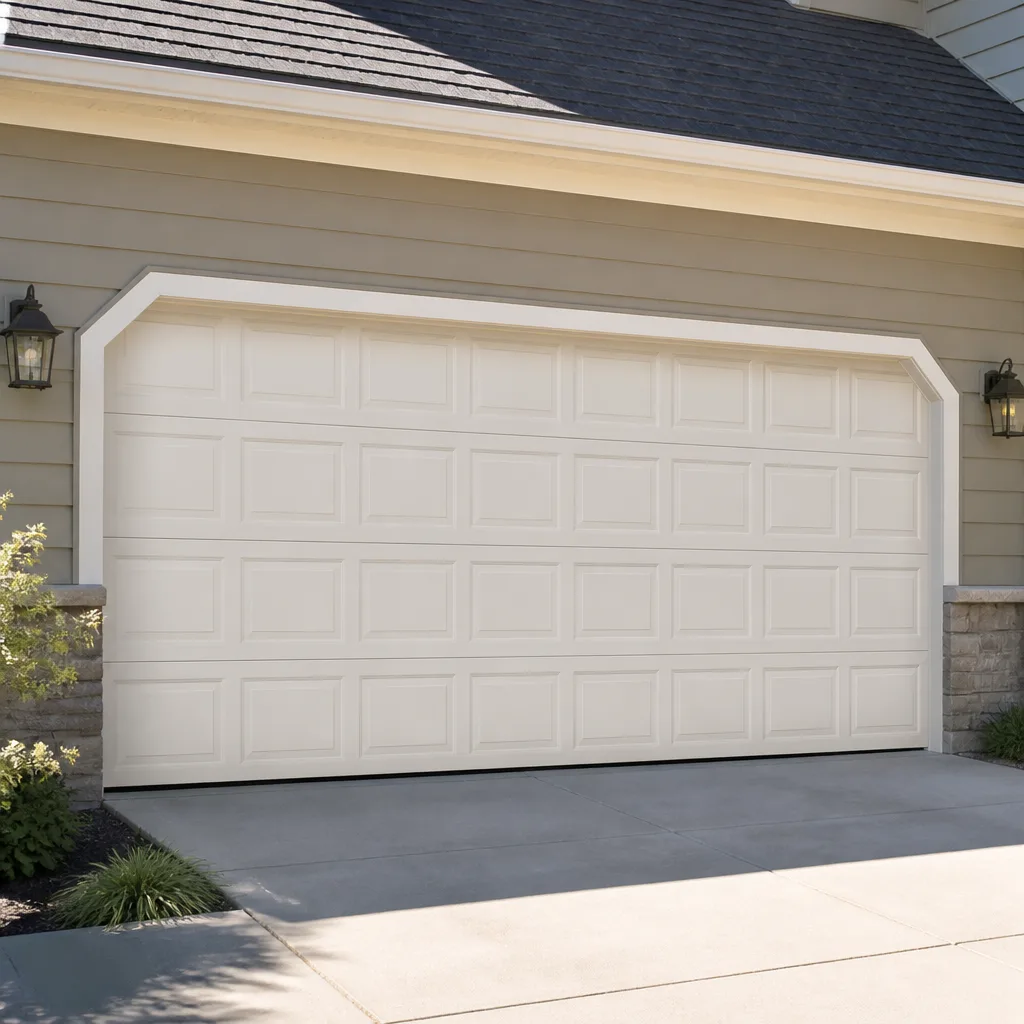 Raised-panel steel
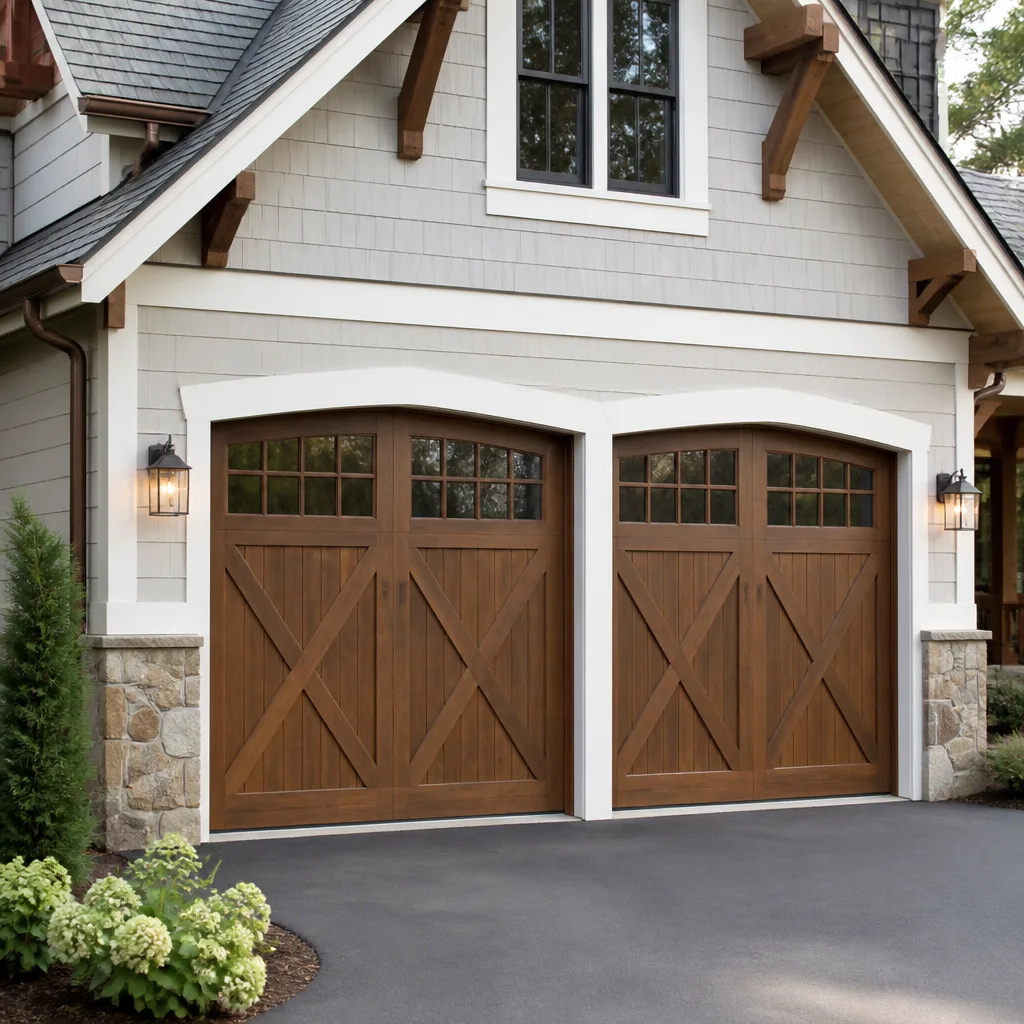 Carriage house
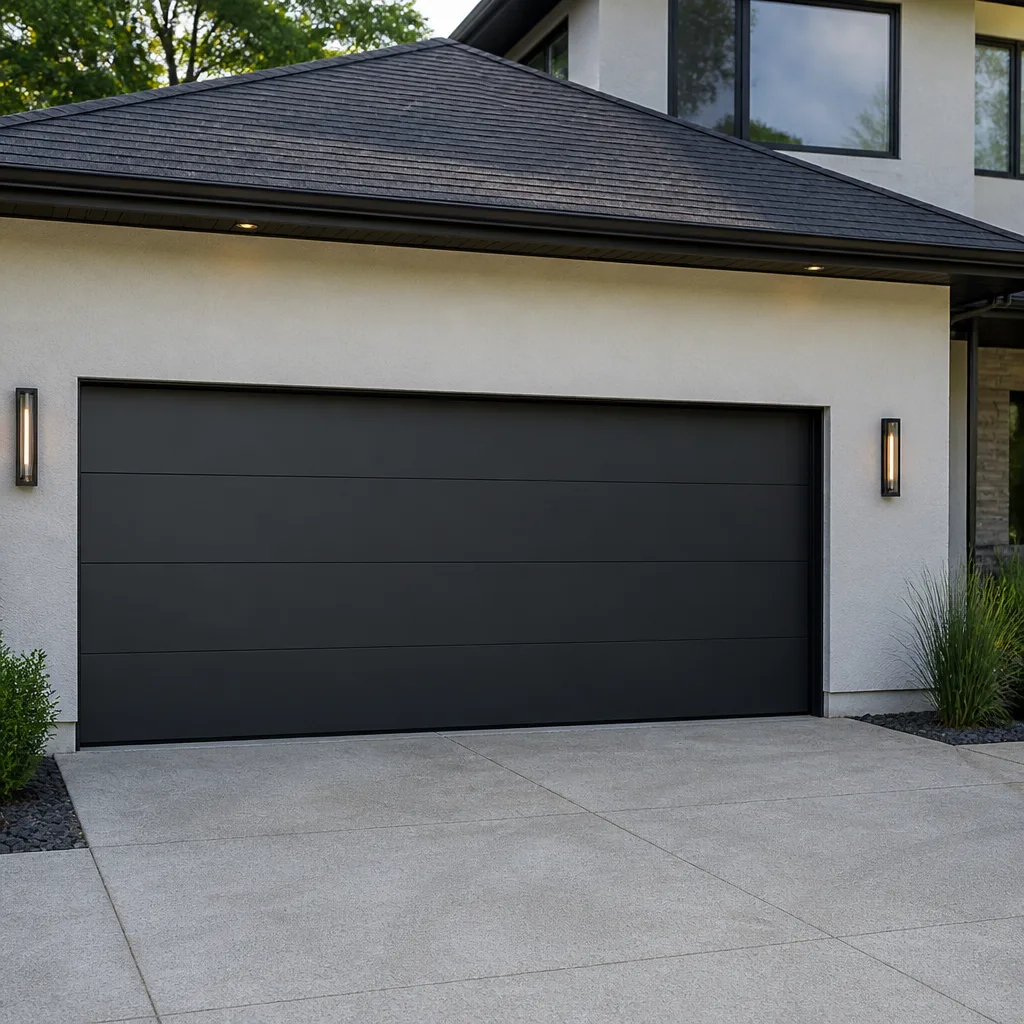 Modern flush
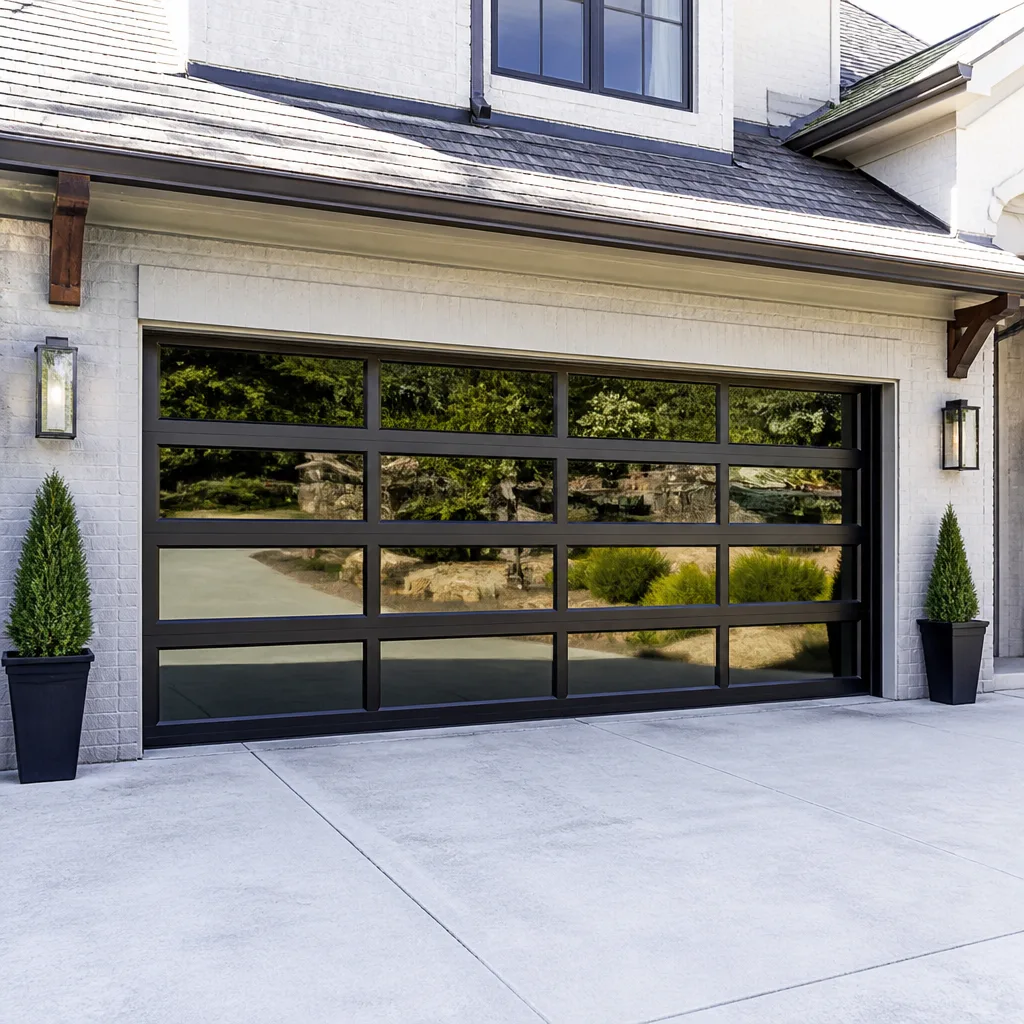 Full-view glass
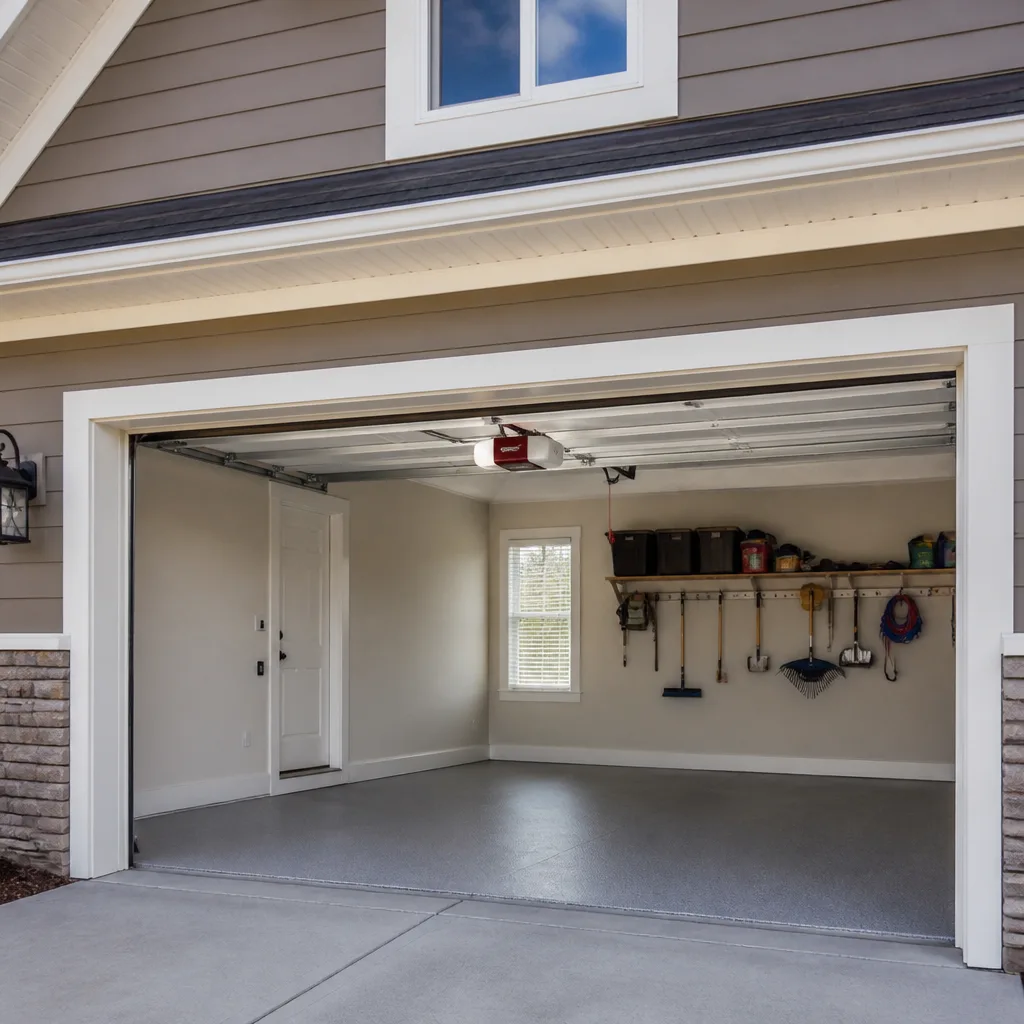 LiftMaster openers
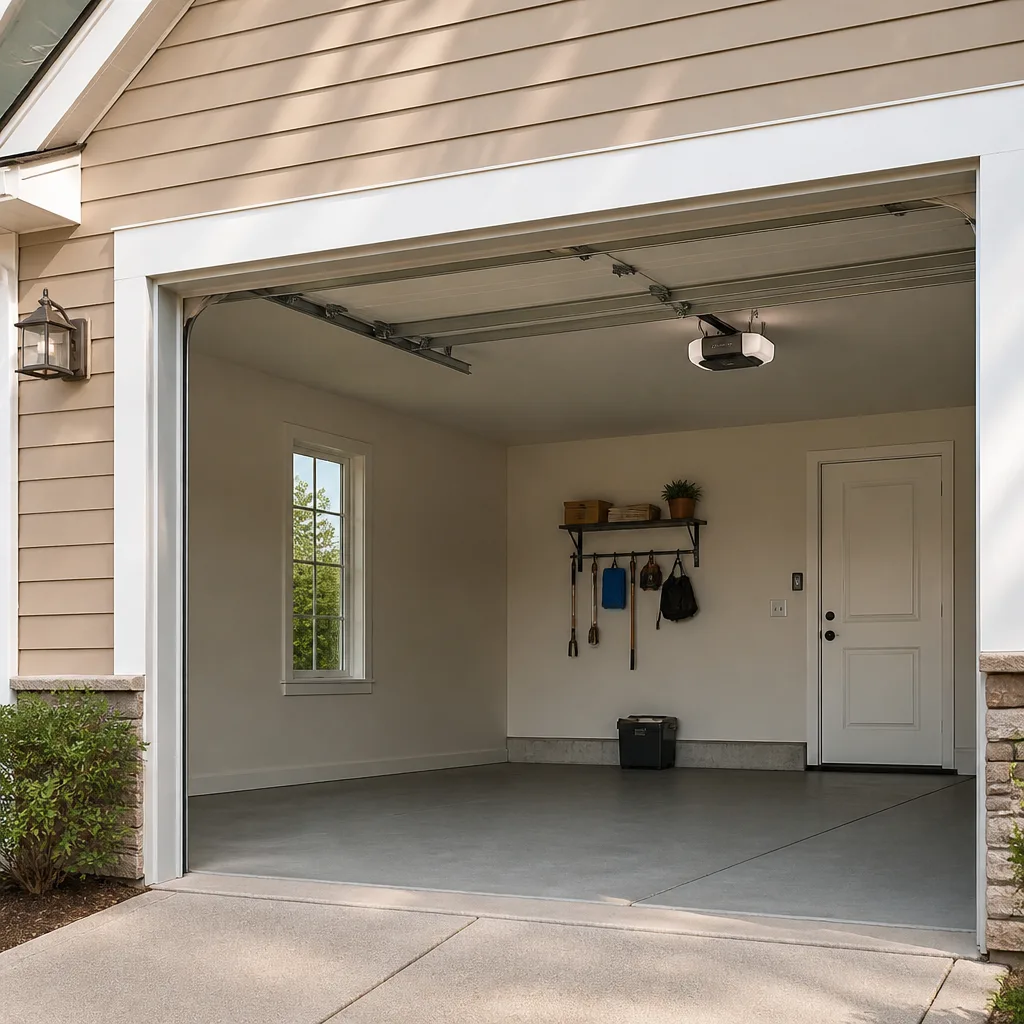 Chamberlain openers
Full 25-point door and opener safety check with every visit - springs, cables, rollers, tracks, and your LiftMaster or Chamberlain opener included
You get a price before we start. It does not change when the pro arrives.
Get your free estimateThe Complete Guide to Garage Doors in Trenton
Most Trenton homeowners pick a replacement door by price and finish, then learn the hard way that the door they bought doesn’t match the opening they have. A house built in the 1920s near Cadwalader Heights and a ranch built in 1955 in suburban Ewing do not share the same rough opening, the same headroom above the track, or the same framing behind the trim. Order the wrong door for your structure and you’re paying for returns, reframing, and an opener that strains to lift a weight it was never sized for. A ten-minute conversation about your actual opening and your actual door weight would have caught all of it. This guide maps every major garage door decision to the housing styles you’ll find across Trenton, so you buy a solution that fits the house you own rather than someone else’s.
Quick Answer
The right garage door for a Trenton home depends on three things: the age and structure of your house (which sets your opening size and headroom), the material that survives this region’s humidity swings, and an opener sized to the door’s weight class. Repair decisions (springs, cables, tracks, rollers) follow the same rule, where the door’s age and brand matter more than the sticker price. Match the door and opener to your structure first, and the price question sorts itself out with far fewer surprises.
Styles & brands we work with
- Raised-panel steel
- Carriage house
- Modern flush
- Full-view glass
- LiftMaster openers
- Chamberlain openers
Table of Contents
- How Trenton’s Housing Stock Shapes Your Door Choice
- Steel vs. Wood-Composite vs. Aluminum: What Holds Up in Trenton
- Choosing an Opener That Matches Your Door’s Weight
- Springs, Cables, and the Parts That Fail First
- Permits and the New Jersey Uniform Construction Code
- The Full Cost Ladder, from Spring Repair to a New Door
- How to Buy a Garage Door in Trenton: Step by Step
- Maintenance That Actually Extends Door Life
How Trenton’s Housing Stock Shapes Your Door Choice
Trenton is not one market. It’s several housing eras stacked within a few miles of each other, and each era made different assumptions about garages. If you’re shopping for a new door or diagnosing a stubborn one, the first question is which era your house belongs to.
- Pre-war row homes and detached garages (roughly 1900 to 1940): Often narrow single-car openings, sometimes unusual heights, and framing that has shifted over the decades. Original detached garages frequently have shallow headroom and were built for swing-up doors, not modern sectional doors. Retrofitting a sectional door here means measuring clearance carefully before ordering anything.
- Post-war ranches and split-levels (roughly 1945 to 1975): This is the most common garage profile in much of Trenton and the surrounding townships. Standard single openings are typically wider than pre-war, with more predictable framing but flat, low headroom that limits how a torsion spring can be mounted. Many of these are the extension-spring doors you’ll find throughout neighborhoods like Chambersburg and the West Ward.
- 1980s to 2000s suburban builds: Two-car openings, higher ceilings in the garage, and framing designed for today’s standard sectional doors and torsion systems. These are the easiest retrofits, but they often come with an original builder-grade opener that’s now underpowered for a heavier replacement door.
The practical takeaway: a door that drops cleanly into a newer suburban opening may need significant adjustment for a 1955 ranch and may not fit a pre-war garage at all without framing work. That’s why we measure before recommending. Two houses on the same block can need completely different doors.
Steel vs. Wood-Composite vs. Aluminum: What Holds Up in Trenton
Trenton sits in a climate with real humidity swings: muggy summers, freezing winters, and a wet spring that makes wood and lower-grade steel work harder than they would in a drier region. Add the road-salt spray that drifts across anything parked near the I-295 corridors and Route 1, and material choice stops being cosmetic. Here’s how the main options hold up here.
- Steel (insulated and non-insulated): The most common choice for good reason. Modern steel doors from Clopay and Amarr resist the humidity cycling that warps wood, and they hold paint well. The weak point is the bottom section, where salt-laden splash and standing water do the most damage. Galvanized or factory-finished steel with a good bottom seal holds up best here.
- Wood and wood-composite (carriage-house style): Beautiful on a period home and a natural fit for older Trenton architecture. The trade-off is maintenance: this climate’s moisture swings mean real wood needs refinishing on a schedule, and a neglected wood door will swell, stick, and eventually delaminate. Wood-composite options from Wayne Dalton reduce the swelling problem while keeping the look.
- Aluminum and aluminum-composite: Light and rust-resistant, which helps near the salt corridors, but it dents more easily and insulates poorly on its own. Best for mild climates or where weight is a constraint, less ideal as a primary insulated door in a cold-weather market.
For most Trenton homes, an insulated steel door is the practical default, and a carriage-house composite is the upgrade worth considering on older architecture. Whatever you choose, look at the bottom seal and hardware finish, not just the panels. That’s where local conditions do their damage first.
Choosing an Opener That Matches Your Door’s Weight
An opener that’s undersized for its door is one of the most common failure patterns we see, and it’s entirely avoidable. A 1/2 HP chain drive is fine on a light, well-balanced single-car steel door. Put that same opener on a heavy wood or composite double door, and it works harder on every cycle. The motor runs hotter, the gears wear faster, and the whole unit fails years before it should.
Opener sizing comes down to door weight and door type, not garage size alone. A rough guide:
- Light single-car steel door: A 1/2 HP chain or belt drive is usually adequate.
- Heavier single or standard double door: Step up to 3/4 HP, belt drive if you want quieter operation, especially if a bedroom sits above the garage.
- Heavy wood, composite, or insulated double door: 1 HP or a strong 3/4 HP, and confirm the door is properly balanced first. An opener can’t compensate for a door that’s out of balance.
Brand matters too, because diagnostics differ. A failing LiftMaster or Chamberlain unit often signals a logic board or travel-limit issue. A Genie or Craftsman unit of a certain vintage may need a gear-and-sprocket replacement that’s specific to that line. If your opener has Wi-Fi and app control, connectivity problems are their own category of diagnosis, and many generalist technicians simply don’t work with those systems. We do. When an opener stops responding, the fix is usually straightforward once we know the brand and the door it’s driving, which is exactly what our garage door opener repair covers.
Springs, Cables, and the Parts That Fail First
Springs are the part of your garage door system that fails most often and carries the most risk. A torsion spring holds enormous stored tension. When it breaks, it releases that energy instantly, which is why spring work is the one garage door job we never encourage a homeowner to attempt. The same goes for the cables under tension. If either has failed, leave the door down and call.
In this region’s climate, the parts that fail first tend to be:
- Torsion and extension springs: Cycles add up, and this winter’s temperature swings stress the metal further. Extension springs (common on post-war ranch doors) also need safety cables so a broken spring doesn’t whip loose.
- Cables and drums: Fraying cables are a warning sign. A snapped cable can drop a corner of the door.
- Rollers and hinges: Grinding, squealing, or a door that shudders on the way up usually traces back to worn rollers or a hinge that’s pulled loose.
- Bottom seals and weatherstripping: This climate’s wet springs and salt splash chew through seals, which then let water in to rust the bottom section.
One rule worth remembering: springs come in matched pairs. If one torsion spring breaks, replacing both at the same time is standard practice, because the second spring has the same cycles on it and is close behind. We diagnose first and recommend only what the door actually needs. Our garage door spring repair handles both torsion and extension systems safely, and that’s the job to hand to a trained technician, every time.
Permits and the New Jersey Uniform Construction Code
Here’s where Trenton homeowners get tripped up: not every garage door job requires a permit, but some do, and the difference matters for your project timeline. The New Jersey Uniform Construction Code governs construction work in the state, and whether it applies to your garage door depends on the scope of the job.
- Straight replacement or repair of like-for-like components (a spring, an opener, rollers, a new door in the same opening) is often treated differently from structural work. But the only reliable answer is local, so ask the City of Trenton’s building department before you order anything structural.
- Framing changes, widening an opening, or altering the structure around the door is construction work that typically requires a permit. That’s a real scope decision, and it belongs in the plan before the door is ordered, not after.
- Electrical work on an opener circuit can also fall under permit territory depending on what changes. If your project involves new wiring, confirm with the building department.
We don’t pretend to be your building department, and we won’t guess at code questions. What we do is tell you plainly, when you call, whether a job typically needs a permit so you can make that call yourself before you commit. It’s the kind of thing a quick conversation settles.
The Full Cost Ladder, from Spring Repair to a New Door
Cost questions are where a lot of Trenton homeowners buy the wrong solution, so it helps to see the whole ladder at once. The ranges below are typical for the Trenton area and are estimates, not final prices. Your written quote sets the number, and we agree on it before any work starts.
- Roller, hinge, or seal replacement: Usually the smallest line on the ladder. This is maintenance-level work and often the fix for a noisy or drafty door.
- Single torsion spring replacement: A one-spring job. Because springs come in matched pairs, replacing both is common and roughly doubles the spring cost, which is why a pair is priced as about twice one spring.
- Extension spring pair replacement: Comparable to torsion work, and worth doing both at once when one fails.
- Opener replacement or repair: Repair (a logic board, gear-and-sprocket, or travel-limit adjustment) generally costs less than a full replacement. Replacement runs higher and depends on horsepower and whether you want belt drive and Wi-Fi control.
- Cable and drum replacement: A safety-critical repair, priced on the parts and the access needed.
- New single-car door: A full installation, priced by material, insulation, and whether the opening needs adjustment.
- New double-car door: Higher than single, driven by door size and material grade.
- Door-and-opener package: The reason to plan these together is that the right opener depends on the new door’s weight. Buying both at once usually means a better-matched system.
Every one of these starts with an estimate. We quote the job, you agree to it, and only then does work begin, so there’s no invoice surprise at the end. If you want an exact number for your door, call us and we’ll put a written price together. Our full garage door repair service covers the repair end of that ladder, and our home page lays out the whole scope of what we handle.
How to Buy a Garage Door in Trenton: Step by Step
If you’re replacing a door or a door-and-opener combo, the process is more predictable than people expect. Here’s the sequence to follow.
- Measure your actual opening and headroom. Don’t trust the old door’s size. The rough opening, the headroom above the track, and the side room all have to be confirmed. This is the step that prevents a door that won’t fit a pre-war or post-war opening.
- Identify your door’s weight class and type. Sectional, one-piece, extension-spring, or torsion. The door type determines the opener you can use and the hardware you’ll need.
- Choose a material suited to the local climate. Insulated steel as a default, wood-composite where the architecture calls for it, and pay attention to the bottom seal and hardware finish.
- Match the opener to the door. Right horsepower, right drive type, and consider Wi-Fi control if you want app monitoring. We work with LiftMaster, Chamberlain, Genie, and Craftsman systems, among others.
- Confirm whether a permit applies. Ask the City of Trenton building department before any structural or framing change. Then get a written estimate and schedule the install.
New doors are measured, ordered, and scheduled, not same-day work. If you need advice on spring or opener repair in Trenton the same day, that’s the faster lane, but a full replacement runs on its own timeline. Getting the sequence right the first time is worth more than saving a few dollars by rushing it.
Maintenance That Actually Extends Door Life
Garage doors don’t need much, but the small things add up, and this climate makes a few of them more important than they’d be elsewhere. Here’s what’s worth keeping an eye on between service visits.
- Watch the balance: If you disconnect the opener and the door won’t hold roughly halfway up on its own, it’s out of balance. That’s a spring or hardware issue to diagnose, not something to force.
- Listen on the way up: Grinding and squealing usually mean worn rollers or dry hinges. Caught early, that’s a small fix. Ignored, it drags on the opener.
- Check the bottom seal each season: Our wet springs and salt splash are hardest on the bottom section. A torn seal lets water in and rusts the door’s lowest panel.
- Look at the cables: If you see fraying, stop using the door and call. Cables are tension parts and not a homeowner job.
- Keep the opener manual: Know how to use the manual release, and keep the manufacturer’s manual for your specific opener brand and model so replacements go in correctly.
What we don’t recommend is a homeowner adjusting springs, cables, or drums themselves. Those are the high-tension parts, and the risk to hands and eyes is real. Done by a trained technician, these checks take very little time and catch the failures before they strand you.
Common Mistakes to Avoid
- Buying a door on price alone. The sticker price ignores whether the door fits your rough opening and whether your opener can lift it. On a pre-war garage especially, that’s how a good deal becomes a reframing project.
- Replacing one spring and leaving its twin. Matched pairs fail close together. Replacing a single spring means the second one is likely to strand the door soon after.
- Putting a 1/2 HP opener under a heavy door. It runs hot from day one and fails early, especially on a heavy composite or insulated double door. Size the opener to the door’s weight.
- Ignoring the bottom seal through a wet Trenton spring. Water and salt splash rust the bottom panel first. A cheap seal replacement protects the most damage-prone section of the door.
- Assuming no permit is needed without asking. Structural or framing changes around the opening are construction work. A two-minute call to the City of Trenton building department saves a stall later.
- Framing the job as “handyman work.” Springs, cables, and safe opener replacement are trade-specific. Generalists often don’t carry the right parts, and cables and springs aren’t the place to find out mid-job.
- Buying a door and an opener separately without coordinating. The right opener depends on the new door’s weight class. Buying together means a matched system.
See the difference
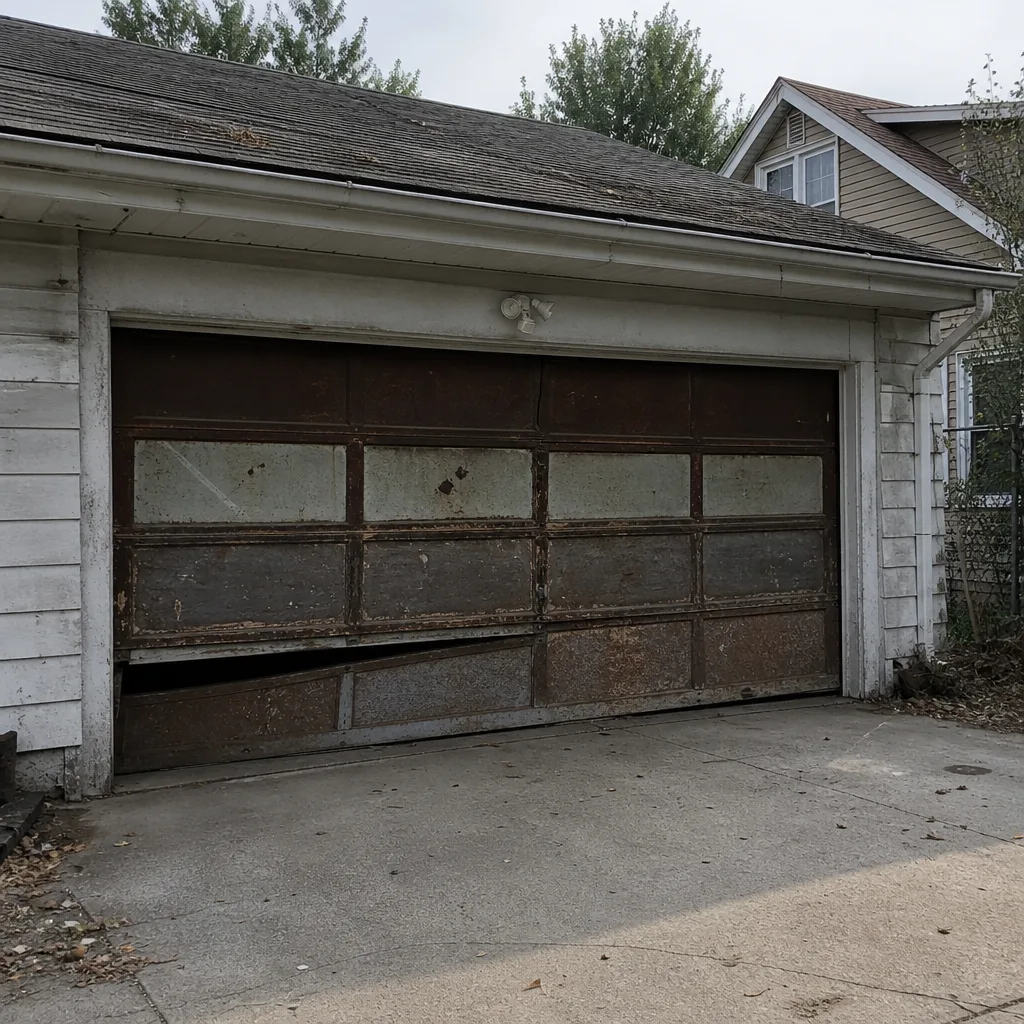 Before
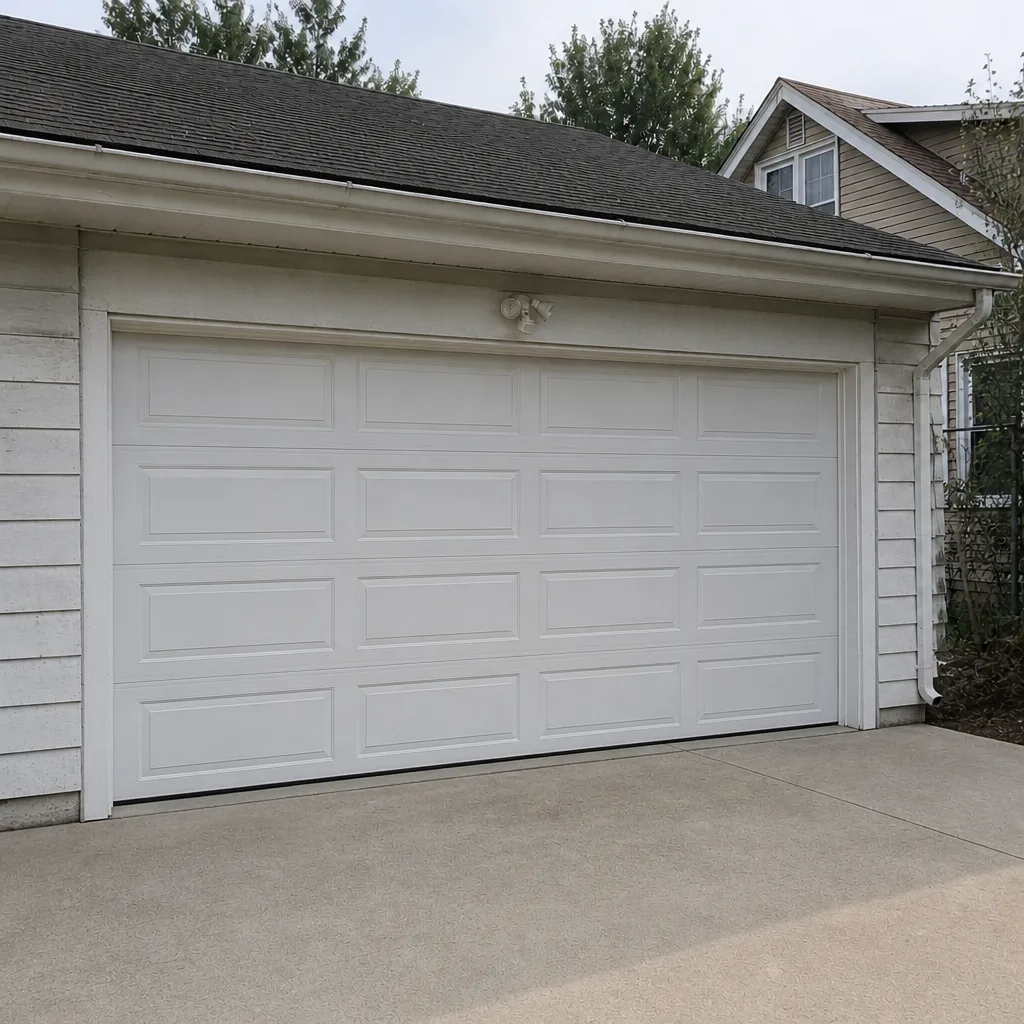 After
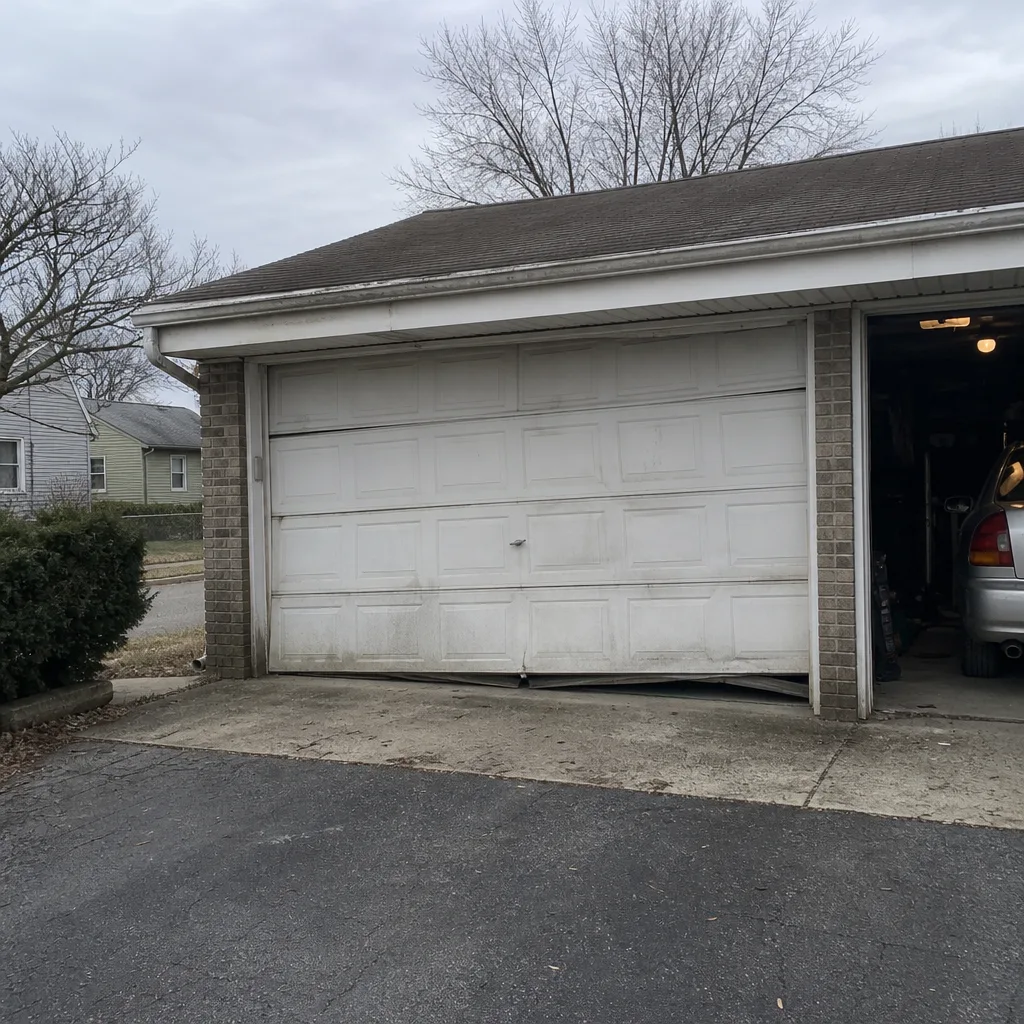 Before
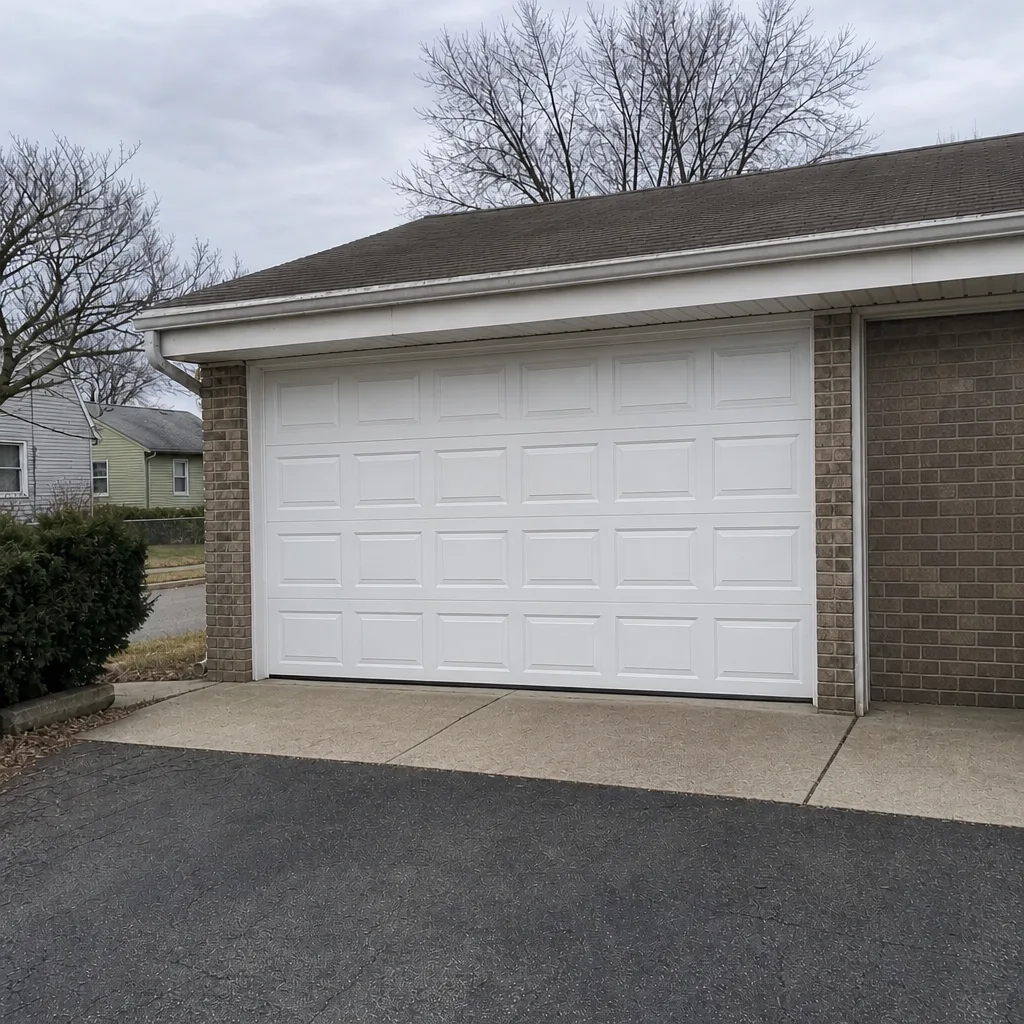 After
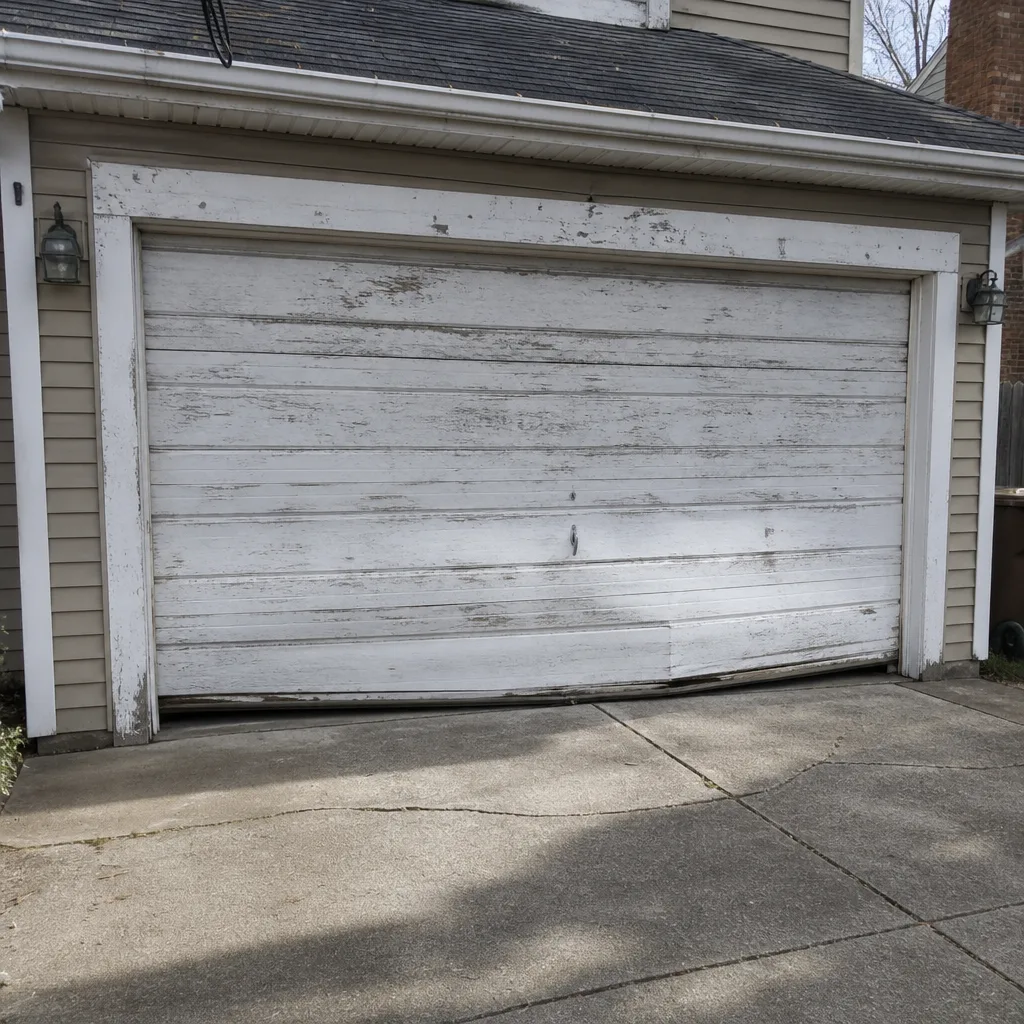 Before
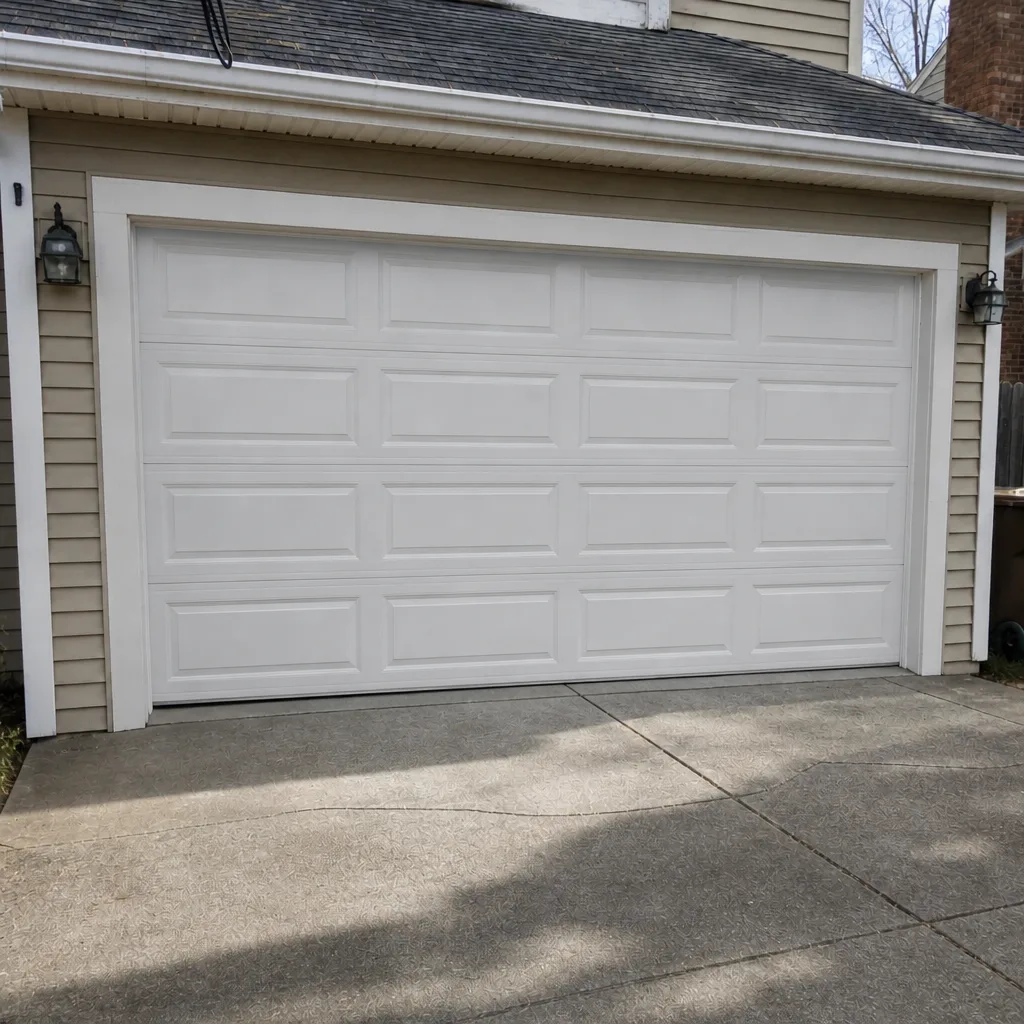 After
When to Call a Professional
Some garage door issues are genuinely DIY territory: a squeak, a torn bottom seal, a remote that needs a new battery. But the moment a job touches tension, weight, or structure, it belongs with a trained technician. Call us if a spring has snapped or looks stretched, if a cable is frayed or hanging, if the door has dropped or won’t stay up, or if the door has come off its track. Call if your opener runs but the door doesn’t move, or if the opener is straining, noisy, or won’t respond to the remote. And call before ordering a new door or opener, so we can confirm the fit and the weight class first. Spring work is the one part of the trade we never suggest attempting yourself, since the stored energy in a torsion spring can cause serious injury in a fraction of a second. Garage Door Repair Trenton Pros offers free estimates in Trenton and same-day service for repair and emergency jobs. Call (833) 509-3463 and we’ll diagnose first, then recommend only what your door actually needs.
Frequently Asked Questions
The single most common problem is a failed spring, usually on the older extension-spring doors common to post-war ranches and on heavier doors that put extra cycles on torsion systems. Worn rollers, frayed cables, and undersized openers follow close behind. On the newer suburban builds, opener failures often come from an original builder-grade unit that’s underpowered for a heavier replacement door. Whatever the symptom, an accurate diagnosis comes first, and our garage door repair service is built around that. Call (833) 509-3463 for a free estimate.
Yes, for repair and emergency jobs. Spring failures, opener problems, and doors stuck off-track are the kinds of calls we run same-day, with fast dispatch from 7am to 7pm. A full new-door installation is different: it’s measured, ordered, and scheduled, so it runs on its own timeline. If your door has failed and can’t wait, call (833) 509-3463 and we’ll get you booked.
It depends on the scope. A like-for-like door replacement often doesn’t require a permit, but structural or framing changes around the opening usually do. The New Jersey Uniform Construction Code governs construction work, and the only reliable answer for your specific job comes from the City of Trenton’s building department. Ask before you order anything structural. We’re glad to tell you which category a job usually falls into when you call (833) 509-3463.
We service equipment from LiftMaster, Chamberlain, Genie, Clopay, Amarr, Wayne Dalton, Craftsman, and Raynor. That range covers the vast majority of doors and openers found on Trenton homes, and it means we recognize the brand-specific quirks of each one rather than guessing at a problem. If your opener is Wi-Fi-enabled or app-controlled, we diagnose those connectivity and app-based failures too. Call (833) 509-3463 for an estimate, free of charge.
No. We quote the job, you agree to the number, and only then does work begin. The written estimate is the price, which is why we confirm details like matched spring pairs and door weight up front. For a quote on your actual door, call (833) 509-3463 and we’ll put a written price together.
Spring repair is priced per spring, and because torsion springs come in matched pairs, replacing both costs about twice a single spring. Expect a one-spring job to run toward the lower end of the repair ladder and a pair toward the higher end, as an estimate. Same-day service is available for spring repairs, and dispatch runs from 7am to 7pm. Call (833) 509-3463 for an exact quote, and estimates are free.
The Bottom Line
The garage door decision in Trenton comes down to matching the door and the opener to the house. A pre-war row home, a post-war ranch, and a newer suburban build each call for different opening sizes, headroom, hardware, and opener sizing, and buying on price alone is how a good deal becomes a reframing project. Insulated steel suits most homes; wood-composite is the upgrade on older architecture. Springs come in pairs, openers come in weight classes, and any structural change means a call to the city building department. We repair and install across eight major brands, and free estimates are a call away. Written by the team at Garage Door Repair Trenton Pros.
From a snapped spring to a full door-and-opener replacement, one call covers it. Call (833) 509-3463 for a free estimate and we’ll diagnose first, then recommend only what your door actually needs. Same-day service for repair and emergency work, with fast dispatch from 7am to 7pm.
Written by the team at Garage Door Repair Trenton Pros.